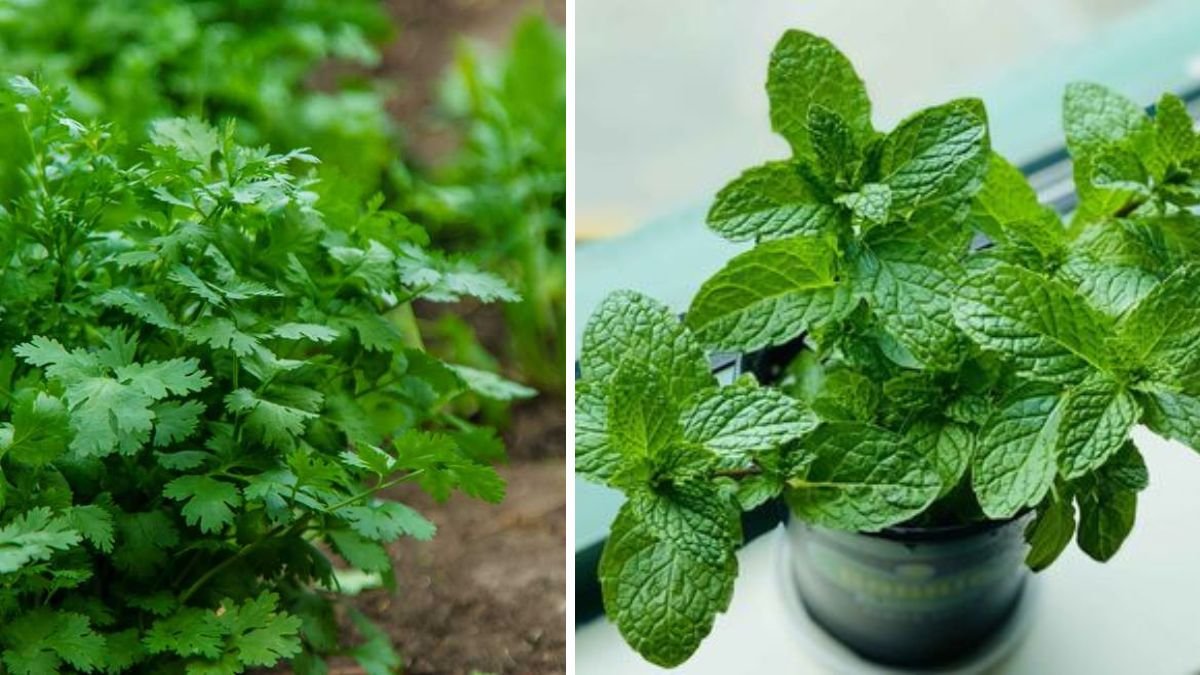
Fresh herbs are a kitchen game-changer. Their vibrant flavors, enticing aromas, and nutritional benefits can elevate even the simplest dish. For beginner and seasoned gardeners alike, growing herbs at home is not only satisfying but also practical. According to horticulture experts, certain herbs are remarkably easy to grow, thriving in containers, garden beds, or even windowsills, and they require minimal effort to flourish.
This guide explores 10 herbs that are easy to cultivate, how to care for them, and tips for incorporating them into your cooking to make every meal taste fresher and more flavorful.
Why Growing Your Own Herbs Is Worth It
Growing herbs at home offers numerous advantages:
- Flavor boost: Fresh herbs are more aromatic and flavorful than store-bought versions.
- Cost savings: Growing herbs at home reduces the need for purchasing fresh or dried varieties.
- Sustainability: Minimizes packaging and transport impacts associated with store-bought herbs.
- Aesthetic appeal: Lush herb plants add greenery and beauty to your kitchen or garden.
- Nutritional value: Many herbs are rich in antioxidants, vitamins, and minerals.
Experts highlight that herbs are some of the most rewarding plants for beginners, offering quick results and ongoing harvests with minimal effort.
Step 1: Basil (Ocimum basilicum)
- Care: Basil thrives in sunny spots with 6–8 hours of sunlight daily. Keep the soil moist but not waterlogged. Regular pruning encourages bushier growth.
- Culinary uses: Essential in pesto, salads, pasta, and fresh sandwiches.
- Tip from experts: Pinch off flower buds as they appear to prevent the plant from becoming woody and to extend leaf production.
Basil is a perfect starter herb for any indoor or outdoor garden due to its quick growth and robust flavor.
Step 2: Parsley (Petroselinum crispum)
- Care: Parsley grows well in full sun or partial shade. Water consistently and provide well-draining soil.
- Culinary uses: Garnish soups, pasta, salads, and sauces; adds freshness to nearly any dish.
- Expert tip: Harvest the outer leaves first, allowing the inner leaves to continue growing for ongoing harvests.
Parsley is versatile, hardy, and grows abundantly, making it a must-have for any home cook.
Step 3: Mint (Mentha spp.)
- Care: Mint is extremely hardy and grows in partial to full sun. Keep soil consistently moist. Because it spreads rapidly, experts recommend planting mint in containers to control its growth.
- Culinary uses: Great for teas, cocktails, desserts, and savory dishes like lamb or salads.
- Expert tip: Trim regularly to prevent the plant from becoming leggy and encourage fresh leaves.
Mint’s vigorous growth and refreshing aroma make it an easy, high-impact herb to grow at home.
Step 4: Rosemary (Rosmarinus officinalis)
- Care: Prefers full sun and well-draining soil. Water sparingly; rosemary is drought-tolerant.
- Culinary uses: Flavor roasted vegetables, meats, bread, and soups.
- Expert tip: Pinch the tips for culinary use, which also encourages bushier growth and prevents the plant from becoming woody.
Rosemary’s fragrant leaves and easy care make it a standout herb for both kitchen and garden.
Step 5: Thyme (Thymus vulgaris)
- Care: Requires full sun and well-drained soil. Minimal watering needed; drought-tolerant once established.
- Culinary uses: Excellent with roasted meats, vegetables, soups, and stews.
- Expert tip: Snip small amounts frequently rather than harvesting all at once to keep the plant productive.
Thyme is hardy, long-lived, and almost effortless, making it a reliable kitchen companion.
Step 6: Chives (Allium schoenoprasum)
- Care: Chives grow in full sun to partial shade with well-draining soil. Water when the top inch of soil is dry.
- Culinary uses: Sprinkle fresh leaves on baked potatoes, soups, scrambled eggs, and salads.
- Expert tip: Divide clumps every 2–3 years to maintain vigor and encourage new growth.
Chives’ onion-like flavor adds a subtle punch to dishes, and they regrow quickly after harvesting.
Step 7: Oregano (Origanum vulgare)
- Care: Oregano prefers full sun and moderately dry soil. Minimal watering needed once established.
- Culinary uses: Perfect in Italian and Mediterranean dishes, pizza, sauces, and roasted vegetables.
- Expert tip: Harvest frequently and pinch flowering tips to maximize leaf production and flavor.
Oregano is resilient, flavorful, and highly aromatic—a staple for any kitchen garden.
Step 8: Cilantro (Coriandrum sativum)
- Care: Cilantro prefers full sun or light shade. Keep soil evenly moist; it bolts quickly in heat, so consider growing it in cooler indoor spots.
- Culinary uses: Essential in salsas, curries, salads, and Mexican cuisine.
- Expert tip: Sow successive seeds every few weeks for a continuous harvest.
Cilantro’s bright, citrusy flavor transforms dishes, and with staggered planting, you can enjoy it continuously.
Step 9: Sage (Salvia officinalis)
- Care: Full sun and well-draining soil are ideal. Water sparingly; drought-tolerant once established.
- Culinary uses: Great for roasting poultry, flavoring stuffing, soups, and butter-based sauces.
- Expert tip: Trim old woody stems to encourage new tender growth.
Sage’s strong aroma and flavor make it a highly impactful herb that’s surprisingly low-maintenance.
Step 10: Tarragon (Artemisia dracunculus)
- Care: Thrives in full sun with well-draining soil. Water moderately; avoid soggy soil.
- Culinary uses: Perfect for salad dressings, chicken, fish, and French cuisine.
- Expert tip: Pinch growing tips to encourage bushy growth and prevent flowering.
Tarragon’s subtle licorice-like flavor adds sophistication to meals with minimal gardening effort.
Tips for Growing Herbs Successfully
- Container or garden bed: Most herbs thrive in pots or small raised beds, which allow better soil control and easier harvest.
- Sunlight: Most culinary herbs require at least 6 hours of sunlight per day. Windowsills or grow lights work well for indoor gardening.
- Watering: Avoid overwatering. Check soil moisture before adding water to prevent root rot.
- Soil: Use well-draining soil rich in organic matter to support healthy root growth.
- Fertilization: Herbs generally need minimal fertilizer; a diluted liquid fertilizer every 4–6 weeks during growing season is sufficient.
- Pruning: Frequent trimming promotes new growth, keeps plants compact, and maximizes leaf production.
Experts highlight that the simplicity of herb care makes them ideal for both beginners and experienced gardeners looking for high reward with low effort.
Creative Ways to Use Fresh Herbs
- Garnishing: Sprinkle fresh leaves to brighten salads, soups, and pasta.
- Infused oils and vinegars: Preserve flavor for longer periods.
- Herb butters: Combine herbs with butter for a versatile cooking ingredient.
- Tea blends: Steep fresh herbs like mint or rosemary for flavorful herbal teas.
- Freezing: Freeze chopped herbs in ice cube trays with water or olive oil for easy future use.
Experts emphasize that using herbs creatively ensures minimal waste and maximum culinary impact.
Benefits of Growing Your Own Herbs
- Convenience: Fresh herbs are always at hand, eliminating trips to the store.
- Flavor enhancement: Adds depth, aroma, and freshness to every meal.
- Health boost: Many herbs contain antioxidants, vitamins, and anti-inflammatory compounds.
- Educational: Growing herbs teaches basic gardening skills and encourages a connection to food sources.
According to horticulturists, even a small windowsill herb garden can transform your cooking experience while requiring surprisingly little effort.
Final Thoughts
Growing herbs at home is one of the most satisfying ways to enhance meals while connecting with nature. Experts agree that herbs like basil, parsley, mint, rosemary, thyme, chives, oregano, cilantro, sage, and tarragon are not only easy to grow but also versatile, flavorful, and rewarding.
By providing sunlight, well-draining soil, moderate water, and regular harvesting, anyone can cultivate a thriving herb garden in containers, windowsills, or garden beds. These herbs not only elevate everyday cooking but also add beauty, fragrance, and freshness to your home.
From quick summer salads to hearty winter soups, the flavor, aroma, and visual appeal of fresh herbs are unmatched. With minimal effort, these 10 herbs ensure that every meal is upgraded, providing a delicious and sustainable touch of homegrown goodness.