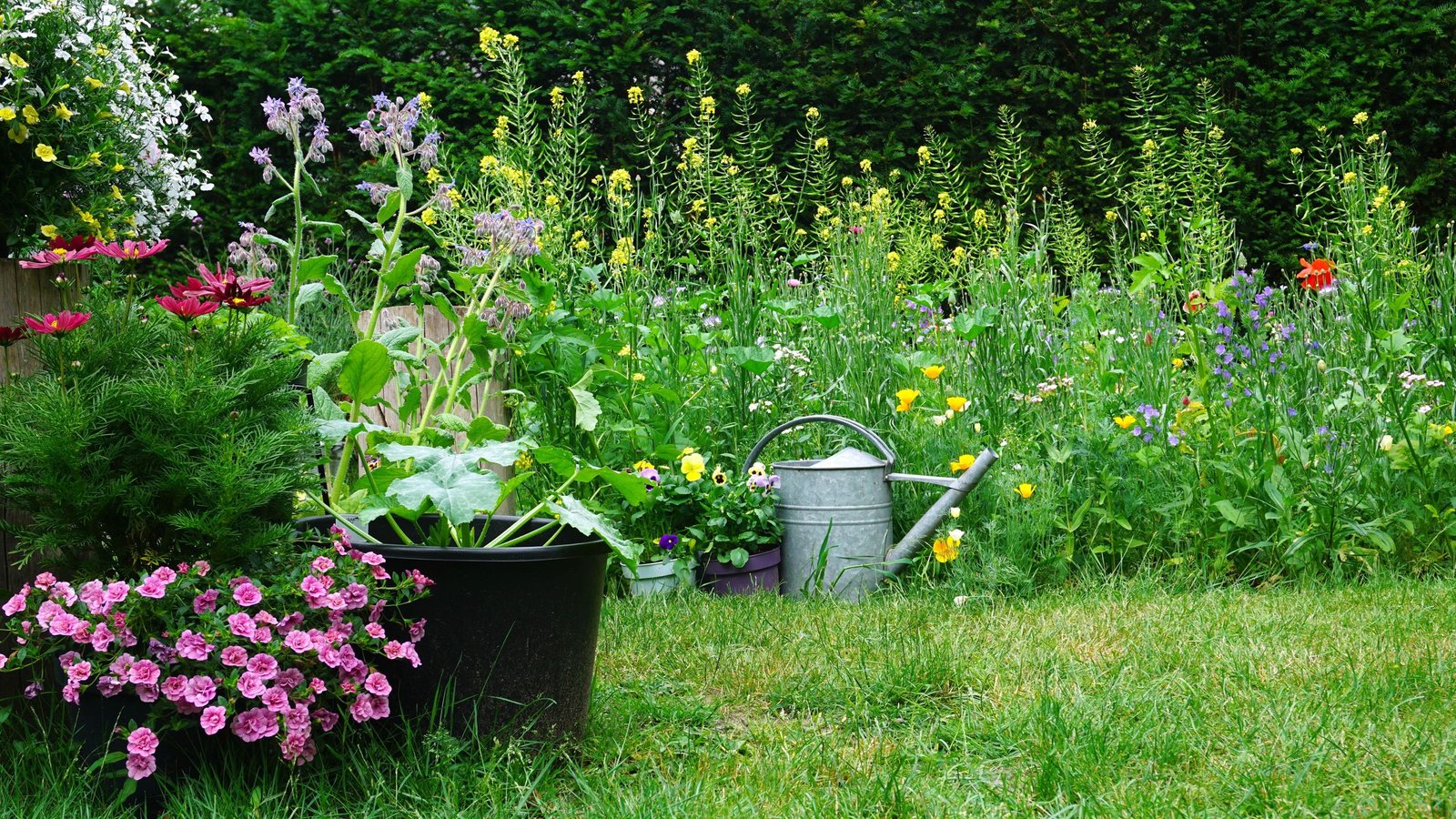
January may feel like the quietest month in the garden, but for savvy gardeners, it’s actually the starting line for a spectacular spring display. By sowing certain flowers early—indoors or under protection—you give plants a head start that results in earlier blooms, stronger growth, and fuller garden beds once warmer weather arrives.
Whether you’re dreaming of colorful borders, pollinator-friendly flowers, or armloads of cut blooms, these 11 flowers are perfect to start growing in January. With just a little planning, your spring garden can be vibrant, healthy, and bursting with color.
Why Start Flowers in January?
Starting flowers in January offers several advantages:
- Longer bloom season: Early starts mean flowers bloom sooner and last longer.
- Stronger plants: Seedlings develop robust root systems before being transplanted outdoors.
- Greater variety: Many slow-growing or cool-season flowers won’t bloom in time if started too late.
- Cost savings: Growing from seed is far cheaper than buying nursery plants.
Most January-sown flowers are started indoors under lights or in a greenhouse, then transplanted once the weather warms.
1. Sweet Peas
Sweet peas are beloved for their fragrance and delicate blooms, but they need a long growing season.
- Why start now: They take time to mature and bloom best in cool weather.
- How to start: Sow seeds in deep pots indoors or in a cold frame.
- Spring payoff: Tall vines covered in pastel, scented flowers perfect for trellises and cutting gardens.
Tip: Soak seeds overnight before planting to improve germination.
2. Snapdragons
Snapdragons thrive in cool conditions and often bloom earlier than most annuals.
- Why start now: They grow slowly at first and benefit from an early start.
- How to start: Surface-sow seeds indoors with light exposure.
- Spring payoff: Upright spikes of color that attract pollinators and last well as cut flowers.
Pinching young plants encourages bushier growth and more blooms.
3. Petunias
Petunias are a spring and summer staple, but they need time to develop.
- Why start now: Seeds are tiny and slow-growing.
- How to start: Sow indoors under bright light.
- Spring payoff: Cascades of blooms perfect for containers, hanging baskets, and borders.
Starting early ensures fuller, more floriferous plants by planting time.
4. Pansies
Pansies thrive in cool temperatures and often bloom earlier than any other flower.
- Why start now: They prefer cool growth conditions and tolerate light frost.
- How to start: Start indoors or in a protected cold frame.
- Spring payoff: Cheerful blooms in purples, yellows, and blues when most gardens are still waking up.
Pansies are ideal for early-season containers and edging.
5. Larkspur
Larkspur is a cottage-garden favorite that prefers cool soil.
- Why start now: It dislikes transplanting and grows best when started early.
- How to start: Direct sow in a cold frame or very cool indoor space.
- Spring payoff: Tall, airy spires of blue, pink, or white flowers.
Once established, larkspur reseeds itself easily for future seasons.
6. Delphiniums
Delphiniums are dramatic perennials that require patience—but the payoff is worth it.
- Why start now: Slow germination and long maturation time.
- How to start: Start seeds indoors under lights.
- Spring payoff: Tall spikes of blue, purple, or white flowers that add vertical drama.
Early planting helps delphiniums establish before summer heat arrives.
7. Violas
Closely related to pansies, violas are hardy and long-blooming.
- Why start now: Cool-season growth leads to early flowering.
- How to start: Sow indoors in January.
- Spring payoff: Masses of small, charming flowers that tolerate cool nights.
Violas often bloom from early spring through early summer.
8. Geraniums (Pelargoniums)
Geraniums grow slowly from seed but reward early starters.
- Why start now: They need several months to reach flowering size.
- How to start: Sow indoors with warmth and light.
- Spring payoff: Sturdy plants with bold blooms ideal for pots and window boxes.
Seed-grown geraniums are often more disease-resistant than nursery starts.
9. Dianthus
Dianthus offers charming, often fragrant flowers in pinks and reds.
- Why start now: Slow initial growth benefits from early sowing.
- How to start: Start indoors with bright light.
- Spring payoff: Compact plants with long-lasting blooms perfect for borders.
Many varieties are perennials, returning year after year.
10. Salvia
Salvia attracts bees, butterflies, and hummingbirds—and grows slowly at first.
- Why start now: Early starts produce earlier and more abundant blooms.
- How to start: Sow indoors and transplant after frost.
- Spring payoff: Tall, colorful spikes that bloom continuously into summer.
Salvia is drought-tolerant once established, making it garden-friendly.
11. Verbena
Verbena is a pollinator powerhouse with long-lasting color.
- Why start now: Seeds can be slow and erratic to germinate.
- How to start: Start indoors under steady warmth and light.
- Spring payoff: Spreading or upright plants covered in clusters of small flowers.
Early planting leads to fuller plants that bloom well into fall.
Tips for Successfully Starting Flowers in January
To get the best results from January sowing, follow these essentials:
Provide Adequate Light
Winter sunlight is weak. Use grow lights for 12–16 hours daily to prevent leggy seedlings.
Control Temperature
Most seeds germinate best between 65–75°F (18–24°C). Heat mats can help.
Use the Right Soil
Always use seed-starting mix, not garden soil, to avoid compaction and disease.
Water Carefully
Keep soil moist but never soggy. Bottom watering helps prevent damping-off disease.
Label Everything
January sowing means months before transplanting—labels prevent confusion later.
When to Transplant Outdoors
Most January-started flowers are ready to move outside after the last frost, once hardened off gradually. Some cool-season flowers like pansies and violas can be planted earlier if weather permits.
The Payoff: A Spring Garden That Steals the Show
Starting flowers in January requires patience, but the reward is a lush, early, and long-lasting spring garden. While others wait for garden centers to stock plants, you’ll already have strong seedlings ready to burst into bloom.
By choosing the right flowers and giving them an early start, you ensure your garden is full of color, fragrance, and life from the first warm days of spring onward.