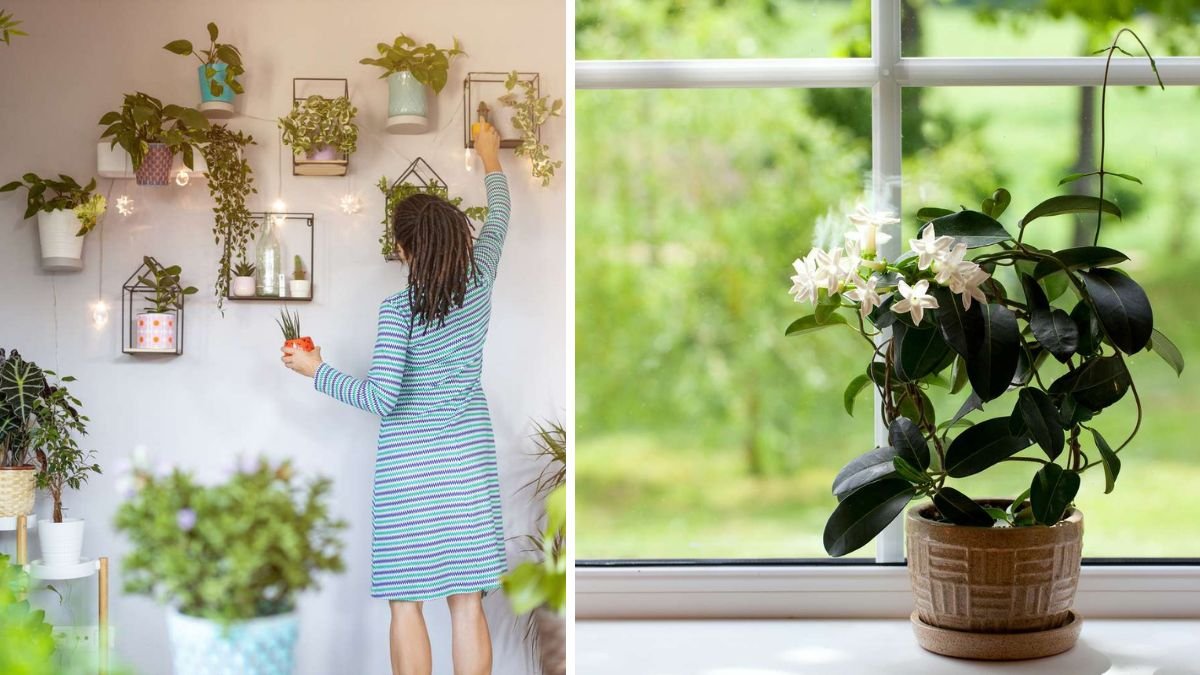
There’s nothing quite like the aroma of a blooming garden—but not everyone has access to outdoor space year-round. Indoor plants can provide that same sense of nature, fresh air, and fragrant delight inside your home. According to horticulture experts, certain indoor plants not only thrive in containers but also fill your living space with enticing scents, creating a calming, vibrant, and aromatic environment.
This guide highlights 15 aromatic indoor plants, offering tips on care, placement, and how to maximize their fragrance indoors.
Why Grow Aromatic Indoor Plants?
Indoor plants with fragrant leaves or flowers offer multiple benefits:
- Sensory experience: Natural aromas enhance mood, reduce stress, and create a relaxing atmosphere.
- Aesthetic appeal: Lush foliage and blooms add visual interest along with scent.
- Air quality: Many aromatic plants also act as natural air purifiers.
- Culinary use: Some aromatic plants double as herbs for cooking.
- Low-maintenance options: Many fragrant plants require minimal care if chosen carefully.
Experts emphasize that combining fragrance, aesthetics, and functionality is a perfect way to enjoy the garden indoors.
Step 1: Flowering Fragrant Plants
- Gardenia (Gardenia jasminoides)
- Care: Prefers bright, indirect light and high humidity. Keep soil consistently moist but not soggy.
- Fragrance: Sweet, intoxicating scent reminiscent of tropical blooms.
- Tip: Fertilize every 4–6 weeks during growing season and prune lightly after flowering to maintain shape.
- Jasmine (Jasminum spp.)
- Care: Needs bright light and well-draining soil. Moderate watering; keep soil slightly moist.
- Fragrance: Distinctive, heady floral aroma, especially in the evening.
- Tip: Prune after flowering to encourage new growth and maximize scent production.
- Hoya (Hoya carnosa, “Wax Plant”)
- Care: Thrives in bright indirect light; allow soil to dry slightly between watering.
- Fragrance: Sweet, sometimes vanilla-like flowers that bloom periodically.
- Tip: Support climbing vines with a trellis or hanging basket; flowers develop in clusters.
- Orchids (Phalaenopsis and Oncidium)
- Care: Bright, filtered light and humidity of 50–70%. Water carefully; avoid soggy roots.
- Fragrance: Many orchid varieties produce delicate floral aromas.
- Tip: Use orchid-specific soil and allow roots to breathe for optimal bloom and scent.
- Freesia (Freesia spp.)
- Care: Prefers indirect light and well-draining soil. Water regularly during flowering.
- Fragrance: Crisp, sweet, and citrusy floral scent.
- Tip: Plant bulbs indoors in early winter for spring blooms and fragrance.
Experts note that flowering plants offer the most immediate aromatic impact, and placing them near seating areas or windows enhances their scent.
Step 2: Fragrant Herbs as Indoor Plants
- Basil (Ocimum basilicum)
- Care: Needs 6–8 hours of sunlight or strong artificial light. Keep soil moist but not waterlogged.
- Fragrance: Sweet and slightly peppery aroma, ideal for kitchen placement.
- Tip: Pinch tips to encourage bushy growth and continuous leaf production.
- Mint (Mentha spp.)
- Care: Thrives in partial sun; keep soil consistently moist. Plant in containers to prevent spreading.
- Fragrance: Fresh, cooling scent that invigorates any room.
- Tip: Regular harvesting encourages new growth and maintains fragrance.
- Rosemary (Rosmarinus officinalis)
- Care: Requires full sun or bright indoor light; well-draining soil and occasional watering.
- Fragrance: Strong, earthy, pine-like aroma that fills the kitchen or living room.
- Tip: Prune frequently and place near areas where aroma can be enjoyed while cooking.
- Thyme (Thymus vulgaris)
- Care: Needs full sun and well-draining soil. Low-maintenance; drought-tolerant once established.
- Fragrance: Woody, subtle, and savory scent.
- Tip: Use in small pots or mixed herb planters to enjoy fresh leaves and aroma.
- Lemon Balm (Melissa officinalis)
- Care: Prefers partial sun and well-draining soil. Water moderately.
- Fragrance: Light, lemony fragrance that is uplifting and calming.
- Tip: Ideal for teapots, windowsills, or small indoor herb gardens.
Experts suggest that aromatic herbs are practical, visually appealing, and double as culinary delights.
Step 3: Fragrant Foliage Plants
- Scented Geraniums (Pelargonium spp.)
- Care: Bright light and moderate watering; allow soil to dry between watering.
- Fragrance: Variety of scents, including rose, lemon, mint, and even chocolate.
- Tip: Crush leaves gently to release aroma and prune to maintain shape.
- Eucalyptus (Eucalyptus gunnii, “Cider Gum”)
- Care: Full sun and well-draining soil; moderate watering.
- Fragrance: Strong, fresh, minty aroma that purifies indoor air.
- Tip: Grow dwarf varieties in containers for indoor use.
- Citrus Trees (Lemon, Lime, Calamondin Orange)
- Care: Full sun, well-draining soil, and regular watering. Fertilize monthly during growing season.
- Fragrance: Flowers produce a sweet, citrusy scent; fruit adds additional sensory appeal.
- Tip: Place near windows for optimal light; dwarf varieties are ideal indoors.
- Sweet Olive (Osmanthus fragrans)
- Care: Needs bright indirect light and moderate watering.
- Fragrance: Subtle, apricot-like floral scent, particularly strong at night.
- Tip: Use a slightly larger container to accommodate growth; prune to maintain size.
- Stephanotis (Stephanotis floribunda)
- Care: Bright indirect light, moderate humidity, and well-draining soil.
- Fragrance: Sweet, heady aroma, often used in weddings and decorative arrangements.
- Tip: Train vines along a trellis and support blooming clusters for maximum fragrance impact.
Experts highlight that fragrant foliage plants offer long-lasting aroma even when not in bloom, making them ideal for low-maintenance indoor gardening.
Step 4: Tips for Maximizing Indoor Plant Fragrance
- Placement: Position aromatic plants near living areas, kitchen, or windows where air movement can distribute fragrance.
- Lighting: Most aromatic plants require bright, indirect sunlight; supplement with grow lights if needed.
- Watering: Keep soil appropriately moist without waterlogging. Overwatering can reduce scent and damage roots.
- Humidity: Many tropical fragrant plants benefit from moderate indoor humidity; use pebble trays, humidifiers, or misting.
- Pruning: Regular trimming promotes new growth and enhances aromatic foliage or flowers.
- Rotation: Turn plants occasionally to ensure even light exposure and maintain overall health.
Experts emphasize that combining proper care with strategic placement ensures maximum fragrance and plant longevity indoors.
Benefits of Aromatic Indoor Plants
- Mood enhancement: Natural scents reduce stress and improve focus.
- Air purification: Many aromatic plants remove toxins and improve indoor air quality.
- Culinary applications: Herbs like basil, mint, and lemon balm can be used in cooking, drinks, and teas.
- Decorative appeal: Fragrant plants add greenery, flowers, and texture, creating a natural indoor garden.
Horticulturists stress that aromatic indoor plants provide a unique blend of sensory enjoyment, functional use, and visual beauty.
Final Thoughts
Bringing fragrant plants indoors is a simple yet powerful way to enjoy the sights, scents, and benefits of a garden year-round. According to experts, plants like gardenias, jasmine, freesia, basil, rosemary, scented geraniums, citrus trees, and more are not only easy to grow indoors but also fill your living space with delightful aromas.
By providing the right light, water, soil, and occasional pruning, anyone can cultivate an indoor garden that stimulates the senses, purifies the air, and enhances culinary experiences. From fresh herbs to flowering blooms, these 15 aromatic indoor plants allow you to create a living sanctuary of fragrance, greenery, and beauty—all without stepping outside.
Indoor aromatic plants combine aesthetics, function, and sensory pleasure, proving that the essence of the garden can flourish anywhere—even in your living room.