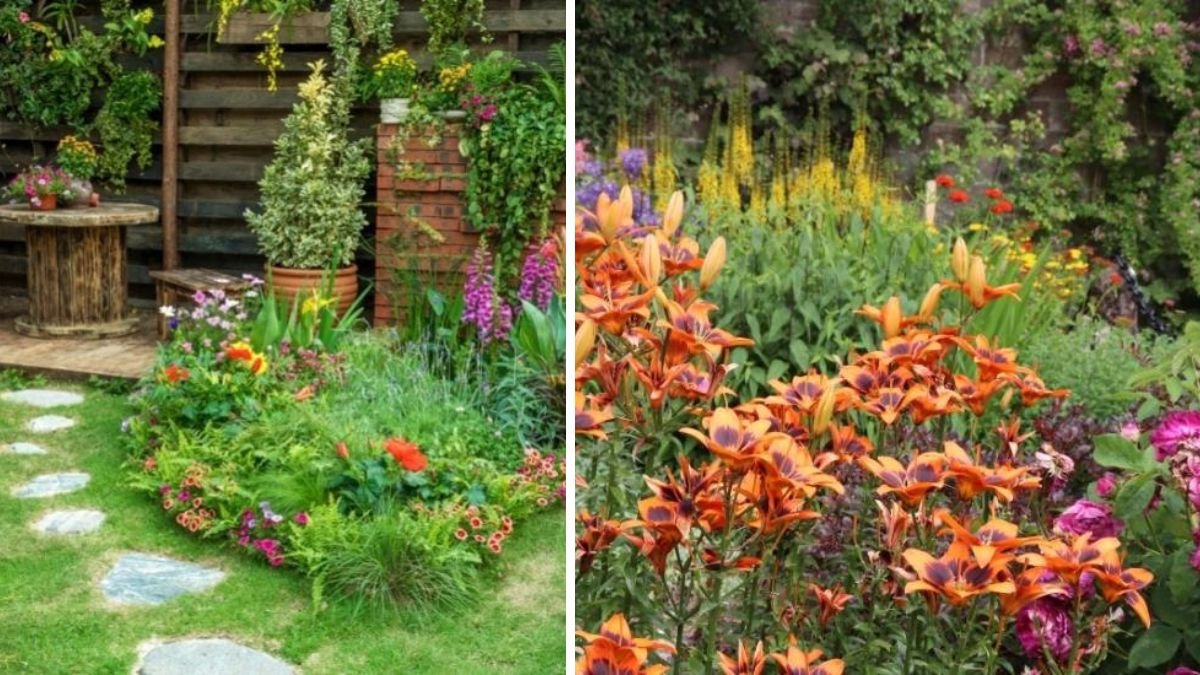
Starting a garden can feel intimidating, especially if you’re new to gardening. However, many plants are forgiving, resilient, and virtually foolproof, making them ideal for first-time gardeners. According to horticulture experts, choosing the right plants can set you up for success, build confidence, and encourage a lifelong love of gardening.
This guide highlights 20 plants that are easy to grow, low-maintenance, and rewarding, along with tips on planting, care, and placement to ensure your first gardening experience is enjoyable and successful.
Why Choose Easy-to-Grow Plants
For beginner gardeners, selecting hardy plants has several benefits:
- Quick results: Fast-growing, resilient plants provide instant satisfaction.
- Low maintenance: Require minimal watering, pruning, or pest management.
- Confidence building: Successfully growing plants encourages further gardening exploration.
- Versatility: Many easy plants adapt to indoor or outdoor environments.
- Pollinator friendly: Some hardy plants attract bees and butterflies, supporting local ecosystems.
Experts note that starting simple allows gardeners to learn plant care fundamentals before tackling more demanding species.
Step 1: Easy Annual Flowers
Annuals grow quickly, bloom abundantly, and are forgiving of minor mistakes:
- Marigolds (Tagetes spp.)
- Bright, cheerful blooms that repel pests.
- Full sun, moderate watering.
- Zinnias (Zinnia elegans)
- Colorful, fast-growing flowers that thrive in sunny spots.
- Deadhead spent blooms to encourage more flowers.
- Sunflowers (Helianthus annuus)
- Tall, vibrant blooms; excellent for learning patience and observation.
- Plant directly in well-draining soil; minimal care needed.
- Cosmos (Cosmos bipinnatus)
- Airy, delicate flowers with long blooming season.
- Drought tolerant and grows well in poor soil.
- Petunias (Petunia spp.)
- Trailing or upright, perfect for pots or garden beds.
- Full sun and regular watering for continuous blooms.
Experts suggest starting with one or two annuals in containers to experience fast results and learn seasonal care.
Step 2: Easy Perennial Flowers
Perennials return year after year, providing long-term beauty with minimal effort:
- Hostas
- Large, lush leaves; shade-tolerant.
- Plant in moist, well-draining soil; low maintenance.
- Daylilies (Hemerocallis spp.)
- Hardy, colorful blooms that survive neglect.
- Thrives in sun to partial shade; low water needs.
- Coneflowers (Echinacea spp.)
- Drought-tolerant and attracts pollinators.
- Full sun, well-draining soil; minimal pruning required.
- Black-eyed Susans (Rudbeckia spp.)
- Bright yellow flowers with dark centers; easy to grow.
- Sun-loving and tolerates a range of soil conditions.
- Lavender (Lavandula spp.)
- Fragrant, resilient, drought-tolerant.
- Full sun and well-draining soil; occasional pruning.
Experts highlight that these perennials are forgiving, return year after year, and provide structure and color to beginner gardens.
Step 3: Easy Herbs
Herbs are rewarding for both beginners and culinary enthusiasts:
- Basil (Ocimum basilicum)
- Thrives in pots or garden beds; harvest frequently to encourage growth.
- Full sun and well-drained soil; water moderately.
- Mint (Mentha spp.)
- Extremely hardy, grows rapidly, ideal for containers to prevent spreading.
- Thrives in partial shade to full sun; tolerates varying soil.
- Chives (Allium schoenoprasum)
- Low-maintenance, with edible leaves and flowers.
- Full sun to partial shade; minimal care needed.
- Rosemary (Rosmarinus officinalis)
- Drought-tolerant, fragrant, and versatile for cooking.
- Full sun; avoid overwatering.
- Thyme (Thymus vulgaris)
- Hardy, aromatic groundcover or container plant.
- Prefers full sun and well-drained soil; low maintenance.
Experts note that herbs are excellent for beginners because they are forgiving, functional, and encourage hands-on engagement with plants.
Step 4: Easy Vegetables
Vegetables give beginners tangible rewards and encourage healthy eating:
- Lettuce (Lactuca sativa)
- Quick-growing, perfect for containers or garden beds.
- Regular watering; harvest leaves frequently to prolong production.
- Radishes (Raphanus sativus)
- Fast-growing root vegetable; ideal for beginners.
- Tolerates most soil types; harvest within 4–6 weeks.
- Cherry Tomatoes (Solanum lycopersicum var. cerasiforme)
- Compact, productive, and forgiving of minor mistakes.
- Requires support, full sun, and regular watering.
- Green Beans (Phaseolus vulgaris)
- Easy to grow, high yield; bush or pole varieties available.
- Full sun, well-drained soil; minimal pest problems.
- Zucchini (Cucurbita pepo)
- Vigorous, fast-growing; requires space but highly productive.
- Full sun, regular watering; harvest frequently for continued production.
Experts suggest starting with one or two vegetable types to gain confidence before expanding to larger garden projects.
Step 5: Beginner Gardening Tips
- Start small: Begin with a few plants to avoid feeling overwhelmed.
- Right soil: Use a well-draining potting mix for containers or amended soil for beds.
- Watering routine: Check soil moisture regularly; over- or under-watering is a common beginner mistake.
- Sunlight awareness: Match plants with their light requirements. Full sun, partial sun, or shade placement matters.
- Fertilization: Use balanced, slow-release fertilizer or compost to encourage healthy growth.
- Observe and adjust: Watch plants for signs of stress, pests, or nutrient deficiencies.
Experts emphasize that learning through observation and small adjustments is more effective than trying to manage everything at once.
Step 6: Pests and Disease
Even easy plants can encounter minor issues:
- Slugs and snails: Protect leafy plants like lettuce with barriers or traps.
- Aphids: Remove manually or rinse with water.
- Fungal diseases: Ensure proper spacing for airflow and avoid overhead watering.
Experts recommend monitoring plants weekly and addressing small problems promptly to prevent them from becoming bigger issues.
Step 7: Harvesting and Maintenance
- Flowers: Deadhead spent blooms to encourage more flowers.
- Herbs: Harvest leaves regularly to promote bushier growth.
- Vegetables: Pick ripe produce promptly to encourage continued production.
Regular harvesting not only rewards your efforts but also keeps plants vigorous and productive.
Step 8: Design and Placement
- Containers: Ideal for patios, balconies, or small spaces.
- Raised beds: Easier to manage soil, water, and pests.
- Mixed planting: Combine flowers, herbs, and vegetables for a visually appealing and functional garden.
- Sunlight orientation: Place plants where they will thrive based on their light requirements.
Experts highlight that even beginner gardens can look vibrant and professional with thoughtful placement.
Benefits of Starting with Easy Plants
- Builds confidence and gardening knowledge.
- Provides a rewarding experience with colorful flowers, fresh herbs, and homegrown vegetables.
- Encourages sustainability by growing food and supporting pollinators.
- Creates a calming, green environment at home.
Starting small and simple allows first-time gardeners to enjoy success quickly while learning essential skills.
Final Thoughts
Gardening doesn’t have to be complicated. According to horticulture experts, choosing easy-to-grow plants—whether flowers, herbs, or vegetables—ensures first-time gardeners can achieve rewarding results. By focusing on resilient species, observing their needs, and applying simple care techniques, anyone can cultivate a thriving garden.
From bright marigolds and cheerful sunflowers to fragrant basil and productive cherry tomatoes, these 20 plants offer a combination of beauty, practicality, and ease of care. For beginners, success comes from starting simple, observing, learning, and enjoying the process.
With patience, consistency, and the right plant selection, first-time gardeners can create a vibrant, productive, and inspiring green space that encourages growth—both in the garden and in their confidence as gardeners.