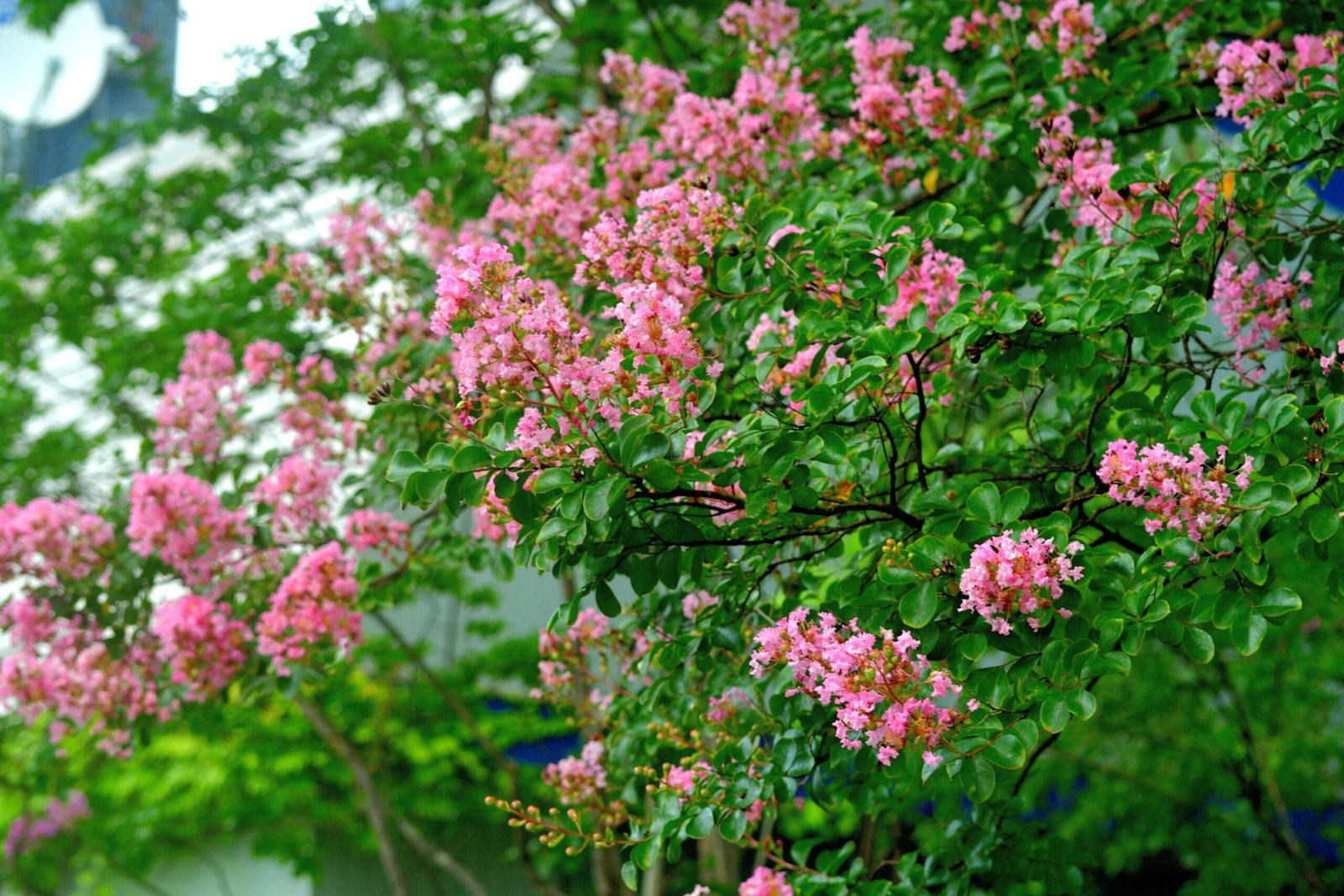
Crape myrtles are prized for their long-lasting summer blooms, striking bark, and graceful structure. When properly pruned, these flowering trees reward gardeners with vibrant blossoms and a balanced, attractive shape. When pruned incorrectly, however, they can produce fewer flowers, weak growth, and an awkward form—a problem often referred to as “crape murder.”
Knowing when and how to prune crape myrtles is just as important as knowing why. According to horticulture experts, thoughtful, minimal pruning at the right time is the secret to healthier plants and better flowering.
Below are five must-know pruning tips that will help your crape myrtles thrive and bloom beautifully year after year.
Tip #1: Prune at the Right Time—Late Winter to Early Spring
Timing is the single most important factor in successful crape myrtle pruning. Crape myrtles bloom on new growth, which means flowers form on branches produced in the current growing season.
Best Time to Prune
The ideal time to prune crape myrtles is late winter to early spring, just before new growth begins. In most regions, this falls between February and early March.
Why This Timing Works
- The tree is dormant, reducing stress
- Branch structure is clearly visible without leaves
- Pruning stimulates strong new growth in spring
- New shoots produce more flowers
When Not to Prune
- Fall pruning can stimulate tender growth that’s vulnerable to frost
- Summer pruning removes flower buds and reduces blooming
- Heavy pruning anytime weakens the tree
Expert tip: If you miss the ideal window, it’s better to skip pruning than to prune at the wrong time.
Tip #2: Avoid “Crape Murder” by Pruning Selectively
One of the most common mistakes gardeners make is cutting crape myrtles back too aggressively. Severe topping may produce fast growth, but it results in fewer blooms and weak, floppy branches.
What “Crape Murder” Looks Like
- Thick trunks chopped to stubs
- Long, spindly shoots emerging from cut points
- Excessive foliage with fewer flowers
Why Heavy Pruning Hurts Flowering
Over-pruning forces the tree to put energy into rapid vegetative growth instead of flower production. The resulting shoots are often too weak to support large flower clusters.
The Right Approach
- Remove only what’s necessary
- Preserve the tree’s natural form
- Focus on thinning, not topping
Expert tip: If your crape myrtle is too tall, it was likely planted in the wrong spot. Choose appropriately sized varieties instead of relying on heavy pruning.
Tip #3: Remove the Right Branches to Encourage Blooms
Pruning isn’t about cutting randomly—it’s about knowing which branches help and which ones hinder flowering.
Branches to Remove
- Dead or damaged wood: Improves plant health
- Crossing or rubbing branches: Prevents wounds and disease
- Weak, thin shoots: Directs energy to stronger growth
- Suckers at the base: These steal energy from flowering branches
Branches to Keep
- Strong, well-spaced main trunks
- Healthy lateral branches that receive good sunlight
Removing excess growth improves air circulation and light penetration—both essential for abundant flowering.
Expert tip: Always cut back to a branch collar or just above a healthy outward-facing bud.
Tip #4: Use Proper Tools and Clean Cuts
Clean cuts heal faster and reduce the risk of disease, which directly affects flowering performance.
Essential Pruning Tools
- Hand pruners for small branches
- Loppers for medium-sized limbs
- Pruning saw for larger branches
Best Practices
- Sharpen tools before pruning
- Disinfect tools between trees
- Make angled cuts to prevent water buildup
Why This Matters for Flowering
Healthy tissue produces stronger new growth, and strong new growth produces more blooms. Ragged cuts or crushed stems slow recovery and reduce flowering potential.
Expert tip: Avoid pruning sealants—crape myrtles heal best naturally.
Tip #5: Shape for Structure, Not Size
The goal of pruning is to enhance the tree’s natural beauty—not to force it into an artificial shape.
How Proper Structure Boosts Flowering
A well-shaped crape myrtle:
- Receives even sunlight
- Supports flower clusters without bending
- Produces balanced growth each season
Shaping Guidelines
- Maintain 3–7 main trunks, depending on variety
- Remove interior branches that crowd the center
- Allow lateral branching for natural canopy development
Avoid creating “knuckles” by repeatedly cutting branches at the same spot year after year. This weakens the tree and reduces flowering quality.
Expert tip: Step back often while pruning to evaluate the overall shape.
Bonus Tip: Minimal Pruning Often Produces the Best Blooms
Many modern crape myrtle varieties have been bred to bloom prolifically without heavy pruning. In many cases, simply removing dead wood and occasional thinning is enough.
Less Is More
- Excessive pruning = fewer flowers
- Light pruning = healthier growth and more blooms
Crape myrtles are remarkably forgiving, but they perform best when pruning is conservative and intentional.
What to Expect After Proper Pruning
When pruned correctly at the right time, crape myrtles respond with:
- Strong spring growth
- More abundant summer blooms
- Improved branch strength
- Better disease resistance
Flowering typically begins in early to mid-summer and can last for months.
Common Pruning Myths Debunked
- Myth: Crape myrtles must be pruned every year
Truth: Many don’t need annual pruning - Myth: Heavy pruning leads to more flowers
Truth: It usually leads to weaker branches and fewer blooms - Myth: All crape myrtles should be the same height
Truth: Different varieties have different mature sizes
Final Thoughts
Pruning crape myrtles doesn’t have to be complicated. By pruning at the right time, removing only what’s necessary, and respecting the tree’s natural structure, you can dramatically improve flowering without harming the plant.
Remember: the best blooms come from healthy, well-balanced growth—not drastic cuts. With these five must-know tips, your crape myrtles will reward you with vibrant color, graceful form, and stunning summer flowers year after year.