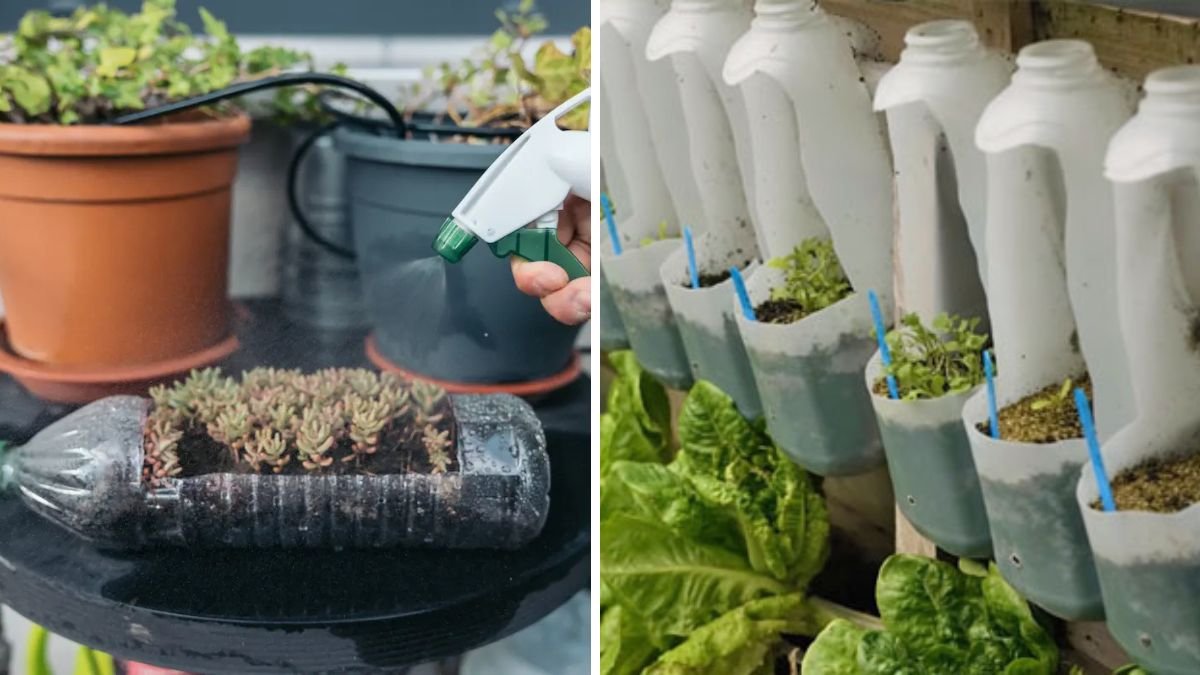
Plastic pollution is one of the most pressing environmental problems we face today, with billions of plastic bottles discarded each year. Instead of letting these bottles end up in landfills or oceans, there’s a creative and sustainable way to repurpose them — gardening. Upcycling plastic bottles is not only eco-friendly but also cost-effective and surprisingly easy. From small apartment balconies to backyard gardens, these simple methods let you grow a variety of plants while reducing waste. In this article, we’ll explore five super easy ways to turn plastic bottles into thriving gardening tools.
Why Reuse Plastic Bottles for Gardening?
Plastic bottles are everywhere, and their accumulation in the environment is a growing concern. Using these bottles for gardening offers multiple benefits:
- Sustainability: Repurposing plastic reduces waste and environmental impact.
- Cost Savings: DIY planters, seed starters, and watering systems save money compared to store-bought alternatives.
- Accessibility: Plastic bottle gardening requires minimal space, making it ideal for urban dwellers.
- Creativity: You can design planters, vertical gardens, and even mini-greenhouses with a simple bottle.
Many urban gardeners have successfully adopted plastic bottle gardening for growing herbs, vegetables, and flowers. This eco-friendly practice is not only functional but also visually appealing, offering a chance to combine sustainability with aesthetic gardening.
1. Self-Watering Planters
One of the most useful ways to reuse plastic bottles is to create self-watering planters. This method is perfect for busy gardeners or those who travel frequently.
How to Make It:
- Cut a plastic bottle in half.
- Invert the top half and place it inside the bottom half.
- Fill the inverted top with soil and plant your seeds or seedlings.
- Add water to the bottom reservoir to allow gradual absorption into the soil.
This system ensures your plants receive consistent moisture, reducing the risk of overwatering or underwatering. Herbs like basil, mint, and parsley thrive in these self-watering setups. You can even decorate your bottles with paint or twine for a stylish touch.
Pro Tip: Use bottles with a wide mouth to make planting and watering easier.
2. Mini Greenhouse Cloches
Plastic bottles can also act as mini-greenhouse cloches, perfect for nurturing young seedlings. The clear plastic traps heat and moisture, creating a warm environment that accelerates growth.
How to Make It:
- Cut the bottom off a clear plastic bottle.
- Place it over your seedling or small plant.
- Remove during hot, sunny days to prevent overheating.
This method is particularly helpful in early spring or for delicate seedlings that need extra protection from frost or pests. Mini greenhouses made from bottles can also extend your growing season by providing extra warmth in cooler months.
Pro Tip: For ventilation, poke a few tiny holes in the top to allow airflow without losing moisture.
3. Vertical Bottle Gardens
If you’re short on space, vertical gardening with plastic bottles is a brilliant solution. By hanging bottles vertically, you can grow a variety of plants without taking up much floor space, making it ideal for balconies or patios.
How to Make It:
- Cut a bottle lengthwise or horizontally to create openings for soil.
- Poke small holes for drainage at the bottom.
- Fill with soil and plant herbs, leafy greens, or small flowers.
- Use strong strings or ropes to hang the bottles from a railing, wall hooks, or a wooden frame.
Vertical bottle gardens can also be stacked to create a living wall effect. Plants such as lettuce, spinach, strawberries, and dwarf flowers work exceptionally well in this system.
Pro Tip: Ensure bottles are secure to prevent falls and accidents. Lightweight plants are preferable for vertical setups.
4. Seed Starters and Planters
Plastic bottles make excellent seed starters, giving young plants a safe environment before transplanting. The transparent sides allow you to monitor root growth and soil moisture easily.
How to Make It:
- Cut bottles in half or just open the top.
- Fill with potting mix.
- Plant seeds or small seedlings.
- Keep them in a sunny spot or under grow lights.
Once seedlings grow strong, you can transplant them to larger containers or your outdoor garden. Using bottles as seed starters reduces the need for buying new pots and helps minimize waste.
Pro Tip: Label each bottle to keep track of different plant types and sowing dates.
5. Bird Feeders and Beneficial Garden Helpers
Plastic bottles aren’t just for planting — they can also support wildlife in your garden. With a few cuts and additions, you can create bird feeders or mini watering stations for pollinators like bees and butterflies.
How to Make It:
- Cut openings in the sides of the bottle for bird access.
- Fill with seeds for birds or sugar water for pollinators.
- Hang or place the bottles in your garden.
This method encourages biodiversity in your garden and supports natural pollination, which is crucial for fruit and vegetable growth. Even small urban gardens can benefit from attracting birds and beneficial insects.
Pro Tip: Clean feeders regularly to prevent mold or bacteria buildup.
Tips for Safe Plastic Bottle Gardening
Before starting, it’s important to consider safety when reusing bottles:
- Clean Thoroughly: Wash bottles with warm, soapy water to remove residues.
- Choose the Right Plastic: PET (#1) and HDPE (#2) bottles are generally safe for reuse. Avoid plastics that degrade in sunlight or have been exposed to chemicals.
- Avoid Heat Exposure: Do not use bottles that have been exposed to extreme heat for long periods to minimize chemical leaching.
- Drainage Matters: Always make drainage holes in the bottom of bottles to prevent waterlogging.
Following these precautions ensures your plants grow healthy while keeping you and the environment safe.
Authoritative Sources and References
For credibility and further reading, consult these expert sources:
- Healthline – Reusing Plastic Bottles: Best Practices (healthline.com)
- GardenGuides – Ways to Reuse Plastic Household Bottles (gardenguides.com)
- AgriFarming – Zero-Cost Gardening with Used Bottles (agrifarming.in)
- GrowVeg – 10 Clever Hacks for Reusing Plastic Bottles (growveg.com)
- EcoFynd – Creative Uses in the Garden (ecofynd.com)
These references not only support the effectiveness of plastic bottle gardening but also provide additional creative ideas for upcycling bottles.
Conclusion
Reusing plastic bottles in gardening is a win-win for both the environment and your wallet. From self-watering planters to vertical gardens, seed starters, and bird feeders, the possibilities are endless. Whether you’re a beginner gardener or an experienced green thumb, these methods allow you to grow plants creatively, sustainably, and efficiently.
The next time you finish a plastic bottle, think twice before tossing it — it could be the start of a thriving, eco-friendly garden. Embrace these simple, practical techniques to contribute to a greener planet while enjoying the satisfaction of watching your plants flourish.
Start small, experiment, and discover how [FOCUS KEYWORD] can transform your garden, reduce waste, and bring nature closer to your home — one bottle at a time.