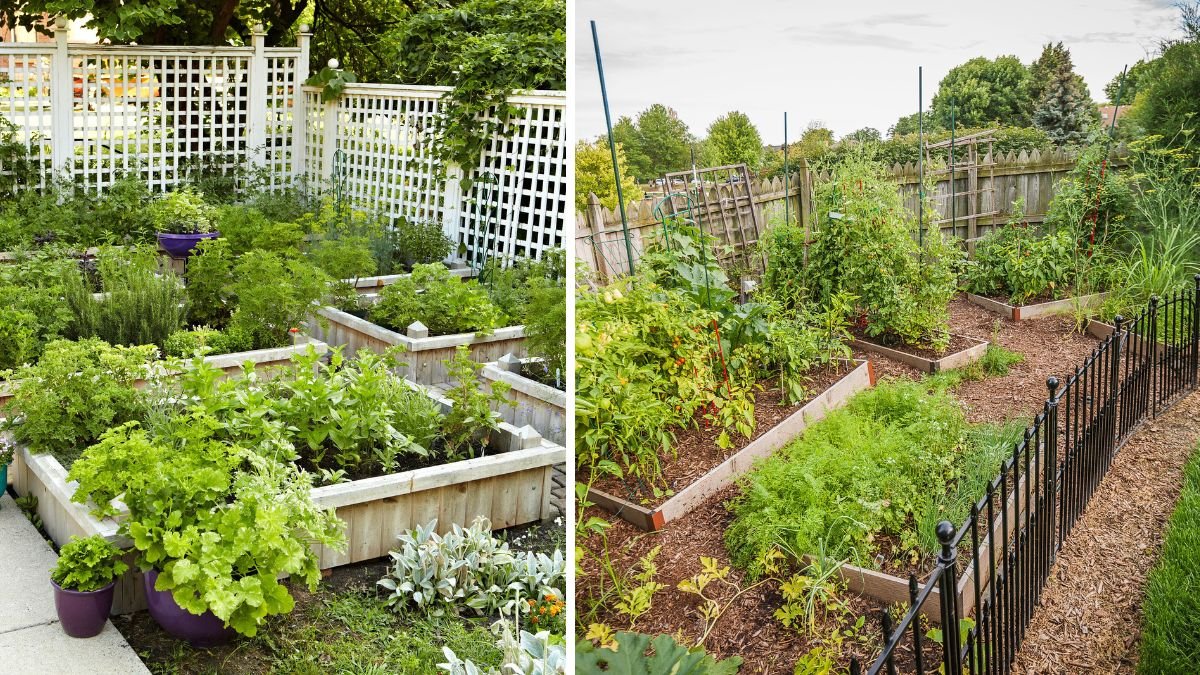
Gardening can be deeply rewarding, but it comes with challenges—especially when wildlife decides to help themselves to your hard work. Rabbits, deer, squirrels, and even neighborhood dogs can devastate vegetable beds, flower borders, or young saplings. One of the most effective ways to protect your garden is with fencing—but not all fences are created equal. Experts in horticulture and landscape design reveal six practical garden fence ideas that keep critters out while letting your plants thrive.
This guide covers design options, material choices, and tips to maximize effectiveness without compromising the look of your garden.
Why Fencing Matters
Before choosing a fence, it’s important to understand why fencing is so effective:
- Physical barrier: Prevents access by most terrestrial wildlife.
- Deterrence: Visible fences discourage animals from entering, especially deer and dogs.
- Plant protection: Young plants, tender shoots, and perennials are especially vulnerable.
- Garden management: Fences can define space, control traffic, and help maintain microclimates.
Experts note that combining fencing with other deterrents—like scent repellents, companion plants, or netting—enhances protection.
1. Classic Wire Mesh Fences
- Design: Sturdy wire mesh with posts spaced 6–10 feet apart.
- Best for: Rabbits, small mammals, and dogs.
- Materials: Galvanized steel, PVC-coated wire, or chicken wire.
- Tips:
- Bury the bottom 6–12 inches to prevent digging.
- Use 1-inch mesh for rabbits and slightly larger mesh for dogs.
- Keep the fence at least 2–3 feet tall for small critters.
Experts highlight that wire mesh is durable, affordable, and versatile, making it a staple for vegetable beds and flower borders.
2. Tall Deer Fences
- Design: Solid or mesh fence at least 8 feet tall.
- Best for: Deer-prone areas where plants are repeatedly browsed.
- Materials: Welded wire panels, wood, or vinyl.
- Tips:
- Consider angled fences that lean outward to discourage jumping.
- Combine with shrubs or hedges to further obstruct deer sight lines.
- Ensure posts are firmly anchored to prevent leaning.
Horticulturists emphasize that deer fences are a long-term investment and protect high-value fruit trees, perennials, and ornamental shrubs.
3. Movable or Temporary Fencing
- Design: Lightweight panels or mesh that can be repositioned seasonally.
- Best for: Seasonal vegetable beds or young plantings.
- Materials: Plastic mesh, lightweight wire panels, bamboo, or corrugated metal panels.
- Tips:
- Use stakes or portable posts to secure panels.
- Rotate or expand as new areas are planted.
- Ideal for crop rotation or temporary protective enclosures.
Experts note that temporary fencing is perfect for gardeners experimenting with plant placement or protecting early-season seedlings.
4. Electric or Voltage-Free Deterrent Fences
- Design: Low-voltage electric wires or conductive tapes designed for animals.
- Best for: Deer, raccoons, or larger persistent animals.
- Materials: Copper or aluminum wire; solar-powered energizers are available.
- Tips:
- Ensure all wires are properly insulated and posts are secure.
- Follow manufacturer instructions to prevent damage to pets.
- Combine with visual barriers for maximum effectiveness.
Horticulturists recommend these for areas with chronic wildlife problems, noting that visual and physical cues enhance deterrence.
5. Decorative Wooden or Lattice Fences
- Design: Wooden panels, picket fences, or lattice screens.
- Best for: Small mammals, rabbits, and dogs; adds aesthetic appeal.
- Materials: Cedar, redwood, treated pine, or composite materials.
- Tips:
- Incorporate mesh behind lattices for added protection.
- Use angled lattice or overlapping panels to prevent climbing.
- Maintain wood with sealant or paint to extend life.
Experts highlight that decorative fencing balances function with beauty, allowing gardeners to create a visually appealing boundary while keeping plants safe.
6. Raised Beds with Integrated Barriers
- Design: Raised planters with surrounding mesh or wooden barriers.
- Best for: Rabbits, groundhogs, and small dogs.
- Materials: Wood, concrete, bricks, combined with wire mesh or netting.
- Tips:
- Raised soil discourages some burrowing animals.
- Cover beds with removable mesh tops for seedlings.
- Combine with companion plants that deter pests.
Horticulturists note that raised beds improve drainage, protect roots, and, when combined with fencing, create an almost critter-proof growing environment.
Expert Tips for Maximizing Fence Effectiveness
- Know your enemy: Identify the critters in your area to choose the right fence height and mesh size.
- Bury fences for burrowers: Rabbits and groundhogs dig; bury fences at least 6–12 inches deep.
- Maintain visibility: Some animals, like deer, are deterred by seeing the barrier clearly.
- Combine barriers: Fencing works best when combined with repellents, thorny plant borders, or scent deterrents.
- Regular maintenance: Check for gaps, leaning posts, or holes at least monthly.
- Consider aesthetics: Integrate fencing into your landscape design using vines, shrubs, or decorative panels.
Experts emphasize that the most successful garden fences are those that balance deterrence with usability and visual appeal.
Benefits of Using Garden Fences
- Protect plants from damage: Prevents nibbling, trampling, and uprooting.
- Encourages healthy growth: Plants are less stressed, producing more flowers, fruits, or vegetables.
- Reduces chemical deterrents: Limits the need for sprays or repellents.
- Improves garden organization: Defines beds, pathways, and plant zones.
- Increases safety for children and pets: Keeps curious hands and paws out of delicate areas.
Horticulturists note that fencing is not just practical; it also contributes to a well-structured, professional-looking garden.
Final Thoughts
A garden fence is more than just a physical barrier—it’s a strategic investment in plant health and productivity. Experts recommend selecting fences based on the types of critters in your area, the height and durability needed, and the aesthetic impact on your landscape.
Whether you choose a classic wire mesh, tall deer fence, movable panels, decorative wood, or raised bed integration, the key is proper installation and ongoing maintenance. Combining fences with mulches, companion plants, or visual deterrents enhances protection and ensures that your garden thrives season after season.
By carefully planning and implementing the right fencing solutions, gardeners can enjoy bountiful vegetables, healthy flowers, and a flourishing landscape, all while keeping critters at bay.