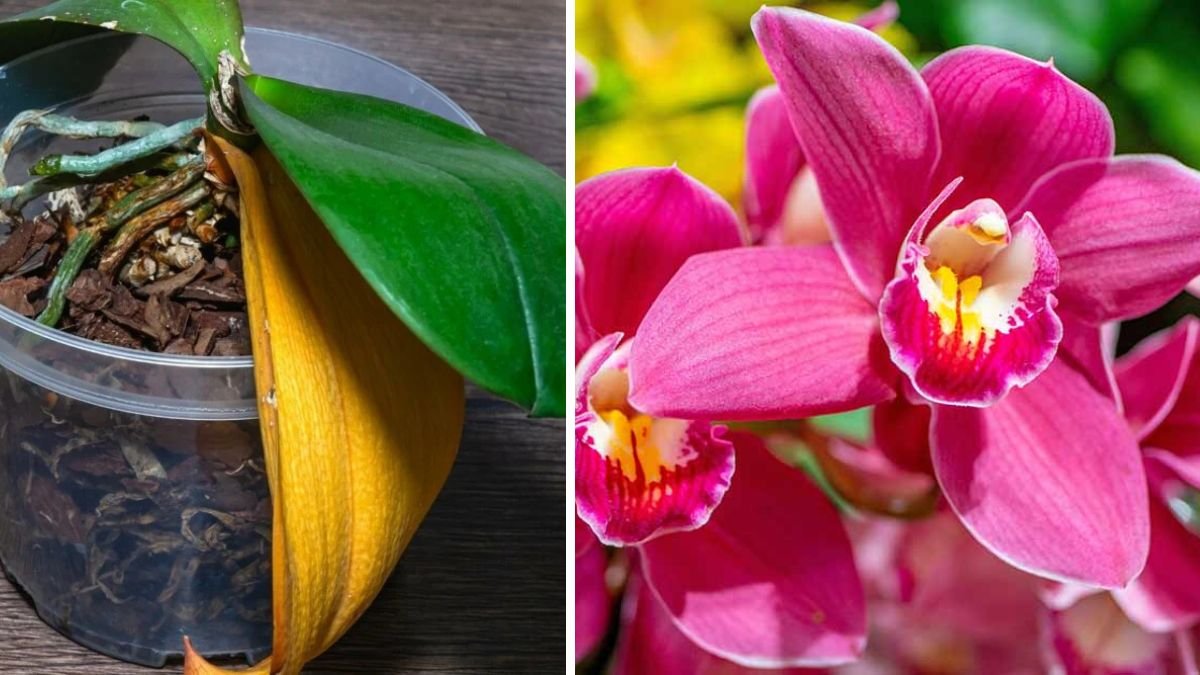
Orchids are among the most admired indoor plants, prized for their elegant blooms and exotic beauty. However, unlike many houseplants, they are highly sensitive to changes in their environment and care routine. Many orchid owners often find themselves asking why their plant’s leaves are limp, buds drop, or flowers appear deformed. Early detection of stress signs is key to saving your orchid and helping it thrive.
This article breaks down the 8 most common signs your orchids are struggling, explains what each symptom typically means, and provides expert-recommended steps to help your plant recover. Recognizing these signs early allows you to take corrective action before minor issues become serious. (thegardenmagazine.com)
1. Wrinkled or Limp Leaves
Wrinkled, floppy, or limp leaves are one of the earliest indicators that an orchid is struggling. This symptom usually points to hydration imbalance — either underwatering or overwatering that leads to root damage. Orchids depend on healthy roots to absorb moisture; if roots are compromised, leaves will show signs of stress.
What to do:
- Check the roots: plump, firm, silvery-green roots are healthy; brown, mushy roots indicate rot.
- Adjust watering habits, ensuring the potting medium is allowed to dry slightly between watering sessions.
Overwatering is a common mistake and can quickly lead to root rot, while underwatering will dehydrate the plant and cause limp leaves.
2. Buds Drop Before Opening
Flower buds dropping before blooming — often called bud blast — is another sign of a struggling orchid. This issue typically occurs due to sudden changes in temperature, humidity, or light. Orchids are sensitive to environmental fluctuations, and bud drop is their way of coping with stress.
What to do:
- Keep the orchid’s environment stable, avoiding sudden drafts or relocations.
- Maintain consistent humidity and light levels, especially during bud formation.
By controlling environmental factors, you can reduce the likelihood of bud drop and support healthy flowering.
3. Brown or Mushy Roots
Healthy orchid roots are firm and silvery when dry or green when wet. Brown, soft, or mushy roots indicate root rot, usually caused by overwatering or poor drainage. Root rot is a serious issue that directly affects the plant’s ability to absorb water and nutrients.
What to do:
- Remove the plant from its pot, trim away damaged roots, and repot in fresh orchid-specific medium.
- Improve drainage and adjust watering frequency to prevent recurrence.
Monitoring root health regularly ensures that your orchid can maintain strong, functional roots, which are essential for survival and growth.
4. Black or Yellow Spots on Leaves
Dark or yellow spots on leaves can be a sign of fungal or bacterial infection, often caused by excess moisture or poor air circulation. Occasionally, sunburn from direct sunlight can also result in leaf spotting.
What to do:
- Improve air circulation around the plant and avoid overhead watering that leaves foliage wet.
- Trim affected areas and, if needed, apply an appropriate fungicide or antibacterial solution.
Maintaining healthy foliage helps prevent the spread of disease and keeps the plant looking vibrant.
5. The Plant Feels Wobbly in Its Pot
A stable root system anchors the orchid in its pot. If the plant feels loose or wobbly, it may indicate root die-back or breakdown of the potting medium. A compromised root structure reduces nutrient and water uptake, stressing the plant.
What to do:
- Repot the orchid in a well-draining orchid mix.
- Choose a slightly snug pot to help roots reestablish and stabilize the plant.
Ensuring a firm foundation for your orchid improves its overall health and resilience.
6. Leaves Turning Red or Purple
Some orchids, especially Phalaenopsis, may develop red or purple leaves in response to excessive direct sunlight. While orchids need bright light to thrive, too much direct sun can scorch leaves, causing stress and aesthetic damage.
What to do:
- Move the plant to a location with bright, indirect light.
- Use sheer curtains or other filtering methods to protect leaves from harsh sunlight.
Balancing light exposure ensures that your orchid receives enough energy for photosynthesis without damaging foliage.
7. Sticky Residue or Sooty Mold on Leaves
Sticky residue on leaves is often caused by pest infestations, such as aphids, scale, or mealybugs. These insects excrete a sugary substance called honeydew, which can promote sooty mold and block photosynthesis.
What to do:
- Inspect leaves thoroughly, particularly undersides, and treat infestations with insecticidal soap or neem oil.
- Isolate affected plants to prevent pests from spreading to healthy orchids.
Addressing pest problems early minimizes long-term damage and maintains plant health.
8. Blooms Are Twisted or Deformed
Deformed or abnormal flowers can result from inconsistent watering, humidity fluctuations, or environmental stress. In rare cases, viral infections can also cause blooms to develop abnormally.
What to do:
- Stabilize the orchid’s environment by maintaining consistent watering, light, and humidity.
- Remove and dispose of affected flowers if a viral infection is suspected to prevent spreading.
Healthy blooms are a clear sign that your orchid is thriving, making attention to environmental stability critical.
Practical Tips to Revive Struggling Orchids
In addition to recognizing these signs, follow these expert-recommended practices to help your orchid recover:
Proper Watering
Water only when the potting medium feels dry, and ensure excellent drainage. Overwatering leads to root rot, while underwatering can dehydrate the plant.
Adequate Light
Provide bright, indirect light. Insufficient light slows growth and prevents flowering, whereas too much direct sunlight can scorch leaves.
Correct Potting Medium
Use well-draining orchid mixes, such as bark, sphagnum moss, or perlite blends, which mimic the plant’s natural epiphytic environment.
Air Circulation & Humidity
Moderate humidity (40–70%) is ideal. Use humidifiers, pebble trays, or plant grouping to increase moisture around the leaves.
Fertilization & Repotting
Feed orchids sparingly with balanced orchid fertilizer during active growth. Repot every 1–2 years or when the potting medium breaks down.
Authoritative Sources for Expert Guidance
- American Orchid Society Orchid Troubleshooter – diagnostic guide for orchid problems (aos.org)
- The Garden Magazine: 10 Signs Your Orchids Are Struggling – symptom and solution guide (thegardenmagazine.com)
- RealSimple Orchid Care Tips – common mistakes and expert solutions (realsimple.com)
- Gardening Baron Orchid Care – fundamentals and troubleshooting (gardeningbaron.com)
Conclusion
Orchids are elegant and exotic, but they are sensitive plants that reveal stress through subtle signs. By recognizing symptoms like wrinkled leaves, root rot, bud drop, pests, or deformed blooms, you can intervene early and improve your orchid’s chances of recovery.
With proper watering, consistent light, stable humidity, and regular inspection, your orchid can thrive year-round, producing lush foliage and stunning flowers. Paying attention to these 8 signs ensures your orchids remain healthy, beautiful, and rewarding for years to come.