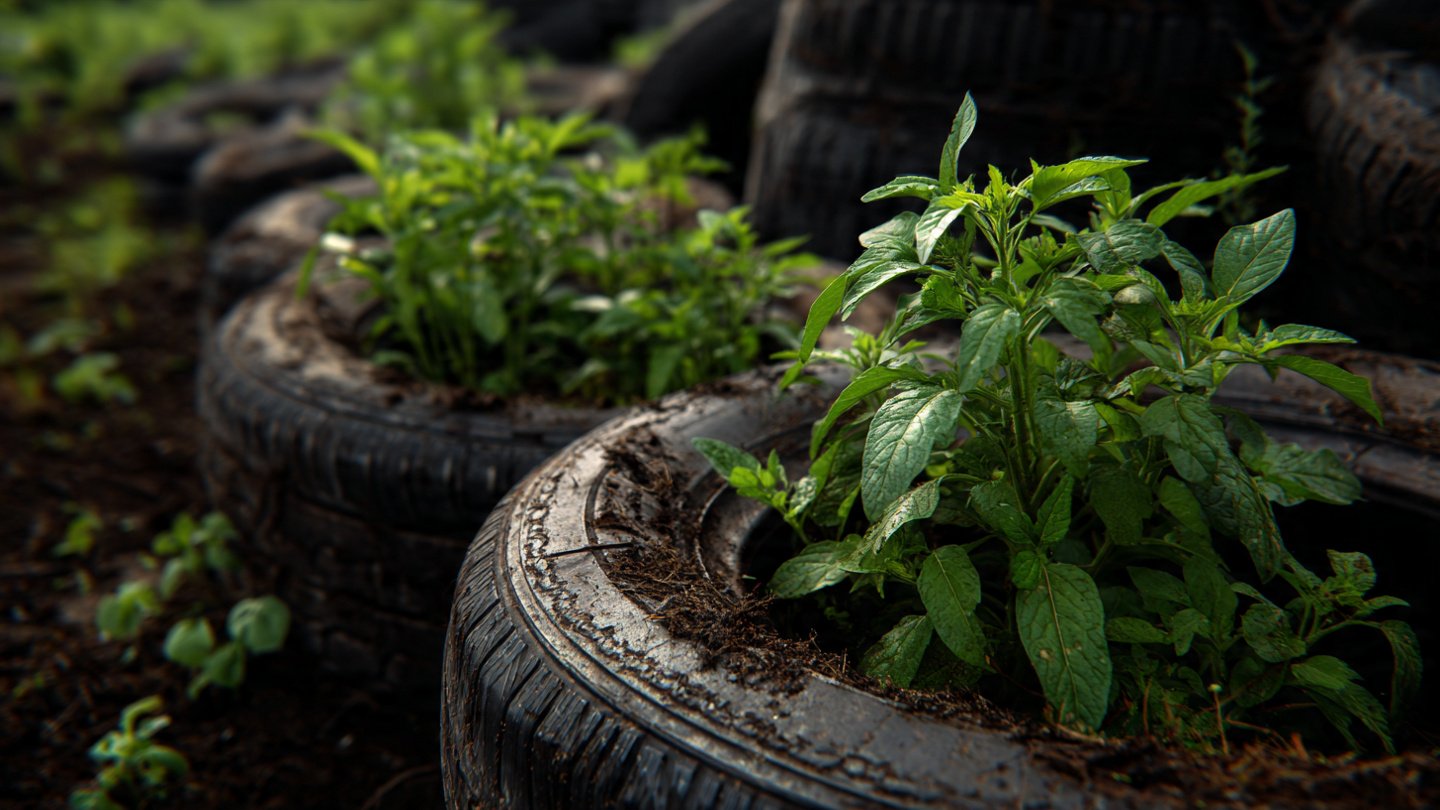
Gardening has seen numerous trends come and go, but one that has gained traction in recent years is the practice of planting potatoes in old car tires. This unconventional method raises eyebrows and prompts questions: Is it just a quirky idea, or does it hold the secret to a thriving garden? Let’s dig deeper into the benefits, methods, and considerations of this gardening trend.
The Rationale Behind Using Tires
Space Efficiency
One of the primary reasons gardeners turn to car tires for growing potatoes is space efficiency. Traditional gardening often requires significant square footage—a luxury not every gardener enjoys. Planting in tires allows gardeners to utilize vertical space effectively. Stacking tires may yield a higher potato harvest in a smaller footprint, especially for urban gardeners who might have limited outdoor spaces.
Enhanced Drainage
Proper drainage is crucial for growing healthy potatoes. Too much water can lead to rot and disease, while too little can hinder growth. Tires naturally offer excellent drainage due to their porous nature, allowing excess water to flow away from the root zone while still retaining enough moisture for the potatoes to thrive.
Insulation and Temperature Regulation
Another advantage is the insulation properties of tires. In cooler climates, tires can help maintain a consistent soil temperature, which is vital for growing potatoes. The rubber acts as a barrier against temperature fluctuations, helping to keep the roots warm during chilly nights or unexpected cold snaps.
Pest Deterrence
Pests are a gardener’s bane, and potatoes are particularly susceptible to issues like grubs and beetles. The physical barrier created by tires can help deter some pests from accessing the potatoes directly. While tires aren’t foolproof, they do create an extra layer of defense.
The Process of Planting Potatoes in Tires
Materials You Will Need
Old Car Tires: Ensure that they’re clean and free from chemicals or oils. Ideally, use tires that have not been used on vehicles for a long time to minimize toxicity risks.
Soil: A well-aerated, nutrient-rich potting mix combined with compost works best.
Potato Seeds: Choose certified, disease-free seed potatoes to ensure a healthy harvest.
Steps for Planting
Prepare the Tires: Start with one tire placed on a flat surface, preferably in a spot that receives at least 6-8 hours of sunlight per day. If using multiple tires, stack them as you go, creating a tower.
Add Soil: Fill the bottom tire with about 6 inches of soil. This will serve as the base for planting.
Plant the Potatoes: Cut seed potatoes into pieces, ensuring each piece has at least one “eye” (sprout). Place the potato pieces on the soil with the eyes facing up.
Cover with Soil: Gently cover the potatoes with an additional 3-4 inches of soil.
Stack More Tires: If using multiple tires, once the plants reach about 6-8 inches in height, add another tire on top and fill with more soil, covering the new growth but leaving the top leaves exposed. Continue this process as the plants grow.
Watering and Care: Ensure that the potatoes receive adequate moisture, especially during dry spells. Water thoroughly but be cautious of overwatering.
Harvesting: Once the plants start to yellow and die back, it’s usually time to harvest. This typically occurs about 12-15 weeks after planting. Lift the tires to access the tubers easily without disturbing the soil too much.
Benefits of Planting Potatoes in Tires
Increased Yield
Many gardeners report an increased yield when using tires compared to traditional methods. The unique structure can allow multiple layers of potatoes to grow, maximizing the potential harvest from a small footprint. This stacking method means you can harvest from various layers at different times.
Lower Maintenance
Once established, potato plants can require less maintenance. Since tires can help regulate moisture and improve drainage, gardeners may find they spend less time worrying about watering and diseases related to soggy soil.
Easy Harvesting
The ability to simply lift tires off the plants makes harvesting potatoes much easier. This convenience is especially beneficial for those with mobility issues or anyone trying to avoid the physically demanding task of digging in the ground.
Potential Drawbacks to Consider
Chemical Concerns
While most studies point towards old tires being relatively safe for gardening when cleaned properly, there are concerns regarding the leaching of chemicals from the rubber, especially when exposed to heat. For gardeners worried about chemicals in their food, it may be prudent to consider alternative planting methods or use only tires that have been retired for many years.
Aesthetic Issues
Let’s face it; using old tires in the garden does not win any beauty contests. For those who prefer a more traditional garden aesthetic, tires can look out of place. Some gardeners choose to paint or decorate the tires creatively to mitigate this downside.
Tire Degradation
Over time, tires can start to break down and lose their integrity. This degradation can affect their effectiveness as planting containers, requiring periodic replacements.
Limited Plant Choices
While potatoes thrive in this setup, not all plants will. Some other root vegetables may not do as well in a tire system, limiting the diversity of produce a gardener can grow in this method.
Comparing Tire Planting to Traditional Methods
Time and Labor
While tire planting may seem labor-intensive at the outset, many gardeners find it saves time in maintenance and harvesting. Traditional gardening often involves more digging, weeding, and overall upkeep. Gardeners must weigh these factors based on their preferences and commitments.
Soil Quality and Health
Soil health is paramount in gardening. Tire planting can lead to the same soil depletion issues seen in traditional methods if crop rotation and soil replenishment aren’t practiced. Regular amendments and careful monitoring of soil health are crucial for long-term success.
Innovations and Variations on the Tire Method
Vertical Gardens
Tires can be used as part of a more extensive vertical garden design, incorporating shelves, other containers, and a variety of plant types. This approach maximizes limited spaces while creating an aesthetically pleasing environment.
Companion Planting
Some gardeners experiment with companion planting, growing other vegetables alongside their potatoes in tires. This technique can enhance pest control and improve soil quality but requires careful planning and knowledge of plant relationships.
Sustainable Practices
The practice of using tires aligns well with sustainable gardening. Recycling old materials helps reduce waste and encourages a mindset of sustainability in gardening practices. For eco-conscious gardeners, this method resonates with broader environmental goals.
Testimonials from Tire Gardeners
Numerous gardeners who have experimented with planting potatoes in old tires share their experiences:
Mary from Illinois states, “I never thought I could grow potatoes in such a small space. The tire method has completely transformed my gardening experience. I’ve more than doubled my yield!”
Tom in Oregon echoes, “While I was skeptical at first, I found that the tires really helped with pest control. No more digging for potatoes; I just lift the tire and there they are!”
Linda from Texas adds, “The aesthetics may not be for everyone, but I love how much I can grow in a small area. Plus, it’s been a fun project for my kids.”
Conclusion
So, is planting potatoes in old car tires the secret to a thriving garden? For many, the answer appears to be yes. This technique offers numerous benefits, including space efficiency, improved drainage, and easier harvesting, making it an attractive option for urban gardeners and beginners alike. While there are some downsides to consider, the advantages often outweigh them for those willing to experiment.
Ultimately, whether you choose to embrace the tire method or stick with traditional gardening, the key is finding what works best for you and your gardening goals. With creativity and a willingness to adapt, you can create a thriving garden that produces delicious, homegrown potatoes and more.