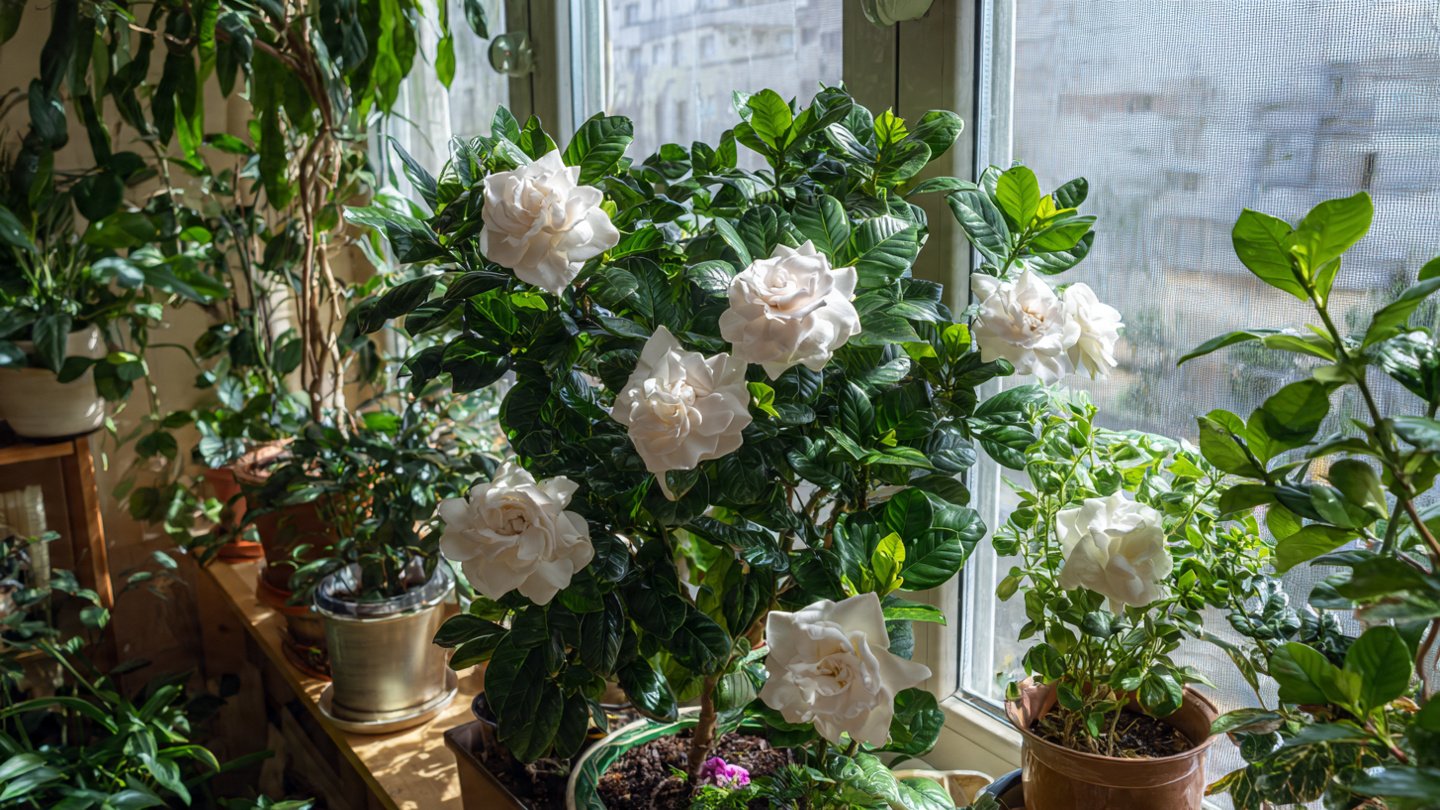
Gardenias are beloved for their stunning white blooms and intoxicating fragrance. However, maintaining these beautiful plants in a dry apartment environment can be challenging. They thrive in conditions that are often contrary to the low humidity levels found indoors, especially during winter. This article will explore techniques to help you successfully grow gardenias, ensuring they thrive and bloom even in a dry apartment setting.
Understanding Gardenias
Gardenias (Gardenia jasminoides) are evergreen shrubs primarily native to tropical and subtropical regions. They prefer slightly acidic, well-draining soil and flourish in warm temperatures and high humidity. The primary reason gardeners struggle with gardenias in apartments is due to the dry air produced by heating systems and general indoor living conditions.
Choosing the Right Variety
Not all gardenia varieties will thrive in the same conditions. If you are limited by dry indoor air, consider selecting more resilient varieties like the ‘Pinwheel’ Gardenia or ‘Veitchii’ Gardenia. These varieties are known for their adaptability and can manage drier conditions better than others.
Optimal Potting and Soil Conditions
1. Soil Selection: Choose a potting mix specifically designed for acid-loving plants. The soil should be well-draining yet retain moisture. A mix of peat moss, pine bark, and perlite can create a superb medium for your gardenia.
2. Pot Size: Ensure that your pot is proportionate to the size of the root ball. An overly large pot can retain unnecessary moisture, which can lead to root rot.
3. Drainage: Make sure your pot has adequate drainage holes to prevent water logging. If you notice excess water pooling at the bottom, consider repotting with a better-draining mix.
Watering Techniques
1. Water Quality: Gardenias are sensitive to chlorine and other chemicals commonly found in tap water. Use distilled, rainwater, or water that has been left out for 24 hours to allow chemicals to dissipate.
2. Water Frequency: Water gardenias when the top inch of the soil feels dry. Generally, this means watering once a week, but it can vary depending on environmental conditions. Be cautious not to overwater, as this can lead to root rot.
3. Humidity Management: Since gardenias thrive in higher humidity, you can increase humidity by placing a tray filled with water and pebbles underneath the pot. As the water evaporates, it will create a localized humid environment suitable for your gardenia.
Lighting Requirements
Gardenias need plenty of bright, indirect light to flourish. A south-facing window is ideal. However, if direct sunlight is too intense, it can scorch the leaves. Provide filtered light through sheer curtains or move the plant slightly away from the window.
Temperature and Air Circulation
1. Ideal Temperature: Gardenias prefer temperatures between 65°F to 70°F (18°C to 21°C). Keeping them in this range will help promote bloom and overall health.
2. Avoid Cold Drafts: Protect your gardenia from cold drafts or temperature fluctuations. Near heating vents or air-conditioned areas is not ideal, as these can dry out the plant even more.
Fertilization
Regular fertilization during the growing season (spring and summer) can greatly enhance your gardenia’s growth and flowering capabilities.
1. Fertilizer Choice: Use a balanced fertilizer formulated for acid-loving plants. Organic options can also be effective, but ensure that they are specifically mixed for gardenias.
2. Fertilization Schedule: Fertilize every 4 to 6 weeks during the active growing season. Be careful not to over-fertilize, as this can harm the plant.
Pest Management
Be vigilant for common pests such as aphids, mealybugs, and spider mites. Regularly inspect your plants and treat any infestations early with insecticidal soap or neem oil. Maintaining good air circulation can also reduce pest problems.
Pruning and Maintenance
1. Pruning: Regular pruning helps maintain shape and encourages new growth. Prune faded flowers to promote blooming. Remove any dead or yellowing leaves to keep the plant healthy.
2. Leaf Care: Dust can accumulate on leaves, inhibiting photosynthesis. Wipe the leaves with a damp cloth regularly to keep them clean and allow for maximum light absorption.
Conclusion
Successfully growing and blooming gardenias in a dry apartment is entirely possible with the right techniques. By focusing on proper potting, watering, humidity, lighting, and overall care, you can enjoy the beauty and fragrance of gardenias year-round. A little extra effort in maintaining ideal growing conditions will reward you with the satisfying sight of lush blooms and healthy foliage.
FAQs
1. How often should I water my gardenia in a dry apartment?
Water your gardenia when the top inch of soil feels dry, typically once a week, depending on environmental conditions.
2. Can gardenias survive in low light?
While gardenias require bright, indirect light, they can adapt to lower light conditions for some time. However, this may affect blooming and overall health.
3. What should I do if my gardenia leaves turn yellow?
Yellowing leaves can indicate overwatering, nutrient deficiency, or pH imbalance. Check soil moisture and consider adjusting the fertilizer to a suitable ratio for acid-loving plants.
4. Do gardenias require pruning?
Yes, regular pruning helps maintain shape, encourages new growth, and promotes blooming. Prune after flowering, removing faded blooms and any dead or yellowing leaves.
5. How can I increase humidity for my gardenia?
You can increase humidity by placing a water tray filled with pebbles underneath the pot or using a humidifier in the area where the plant is located.