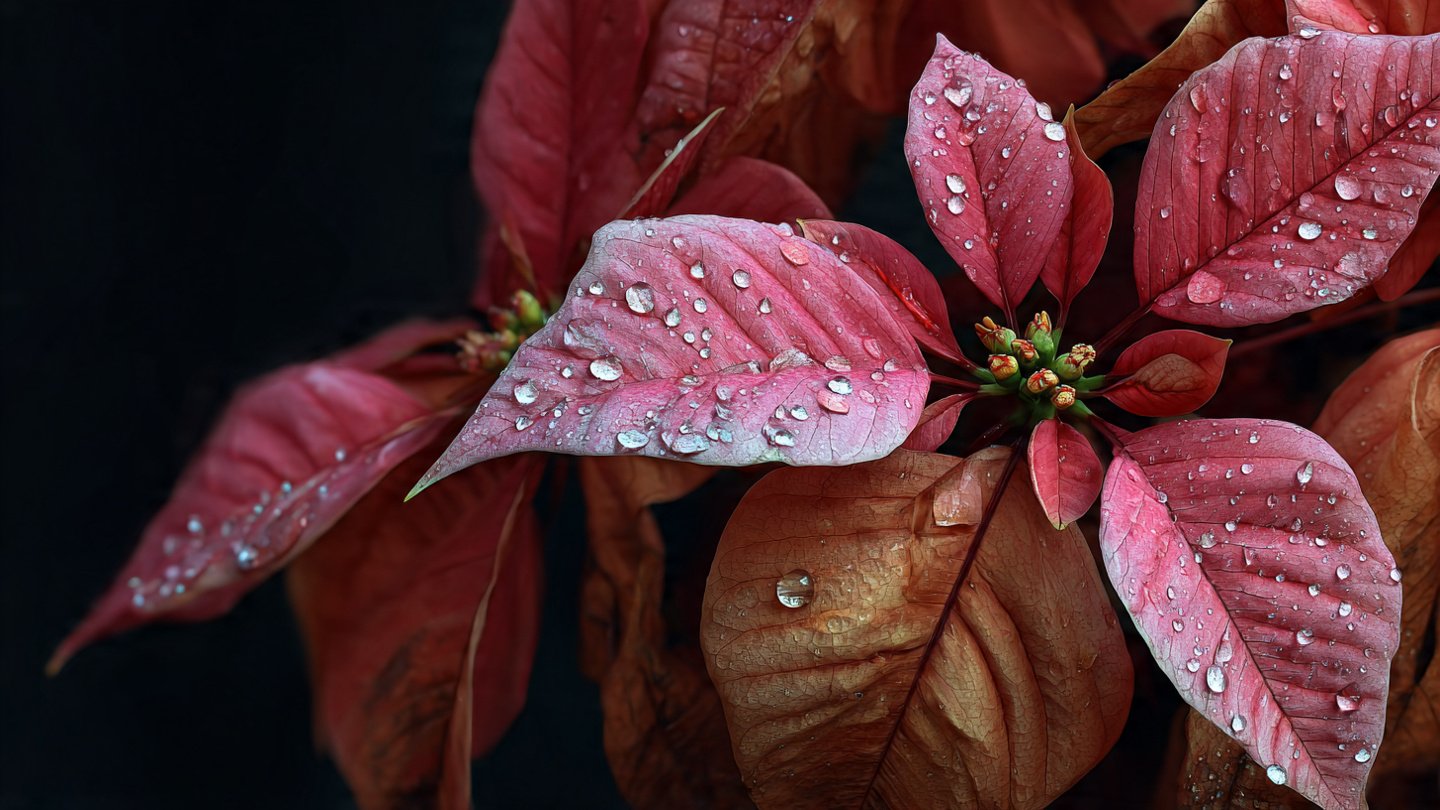
Poinsettias are beloved holiday plants, celebrated for their vibrant red and green foliage that adds a festive touch to homes during the Christmas season. However, as the holiday festivities fade, many poinsettia owners find themselves faced with the disheartening sight of leaves dropping from their cherished plants. Understanding the reasons behind this leaf loss is crucial for maintaining the health of your poinsettia and ensuring its survival into the new year. In this article, we’ll explore the surprising reasons why your poinsettia might be shedding its leaves after Christmas and what you can do to help it thrive.
Understanding Poinsettia Leaves
Poinsettias (Euphorbia pulcherrima) are native to Mexico and thrive in warm climates. The colorful bracts (modified leaves) surrounding their flowers are why they are so popular during the winter months. After the holiday season, it’s common for these plants to exhibit leaf drop, causing concern among caretakers. Leaf dropping can occur due to environmental changes or care practices that differ from the plant’s natural habitat.
Why Are Leaves Dropping?
There are several reasons why your poinsettia may be dropping leaves after Christmas:
1. Environmental Shock
One of the primary reasons for leaf drop is environmental shock. Poinsettias are sensitive to changes in their surroundings. If you have recently moved your plant from one location to another, it might struggle to adapt. This instability can come from changes in light, temperature, humidity, or even drafts. For instance, if the plant has been moved from a warm, brightly lit area to a colder, darker space, it may shed its leaves as a stress response.
2. Overwatering
Poinsettias are susceptible to root rot if overwatered. When the roots sit in excess water, they develop fungal infections leading to stress on the plant. As a defense mechanism, it begins to shed leaves. Always ensure you’re watering your poinsettia only when the top inch of soil feels dry to the touch. A pot with adequate drainage holes is essential to prevent this issue.
3. Underwatering
Conversely, underwatering can also lead to leaf drop. Poinsettias require consistent moisture but cannot tolerate soggy soil. If you let the plant dry out too much, it will show signs of stress, with leaves wilting and eventually dropping. Ensure you’re maintaining a proper watering schedule. Soil should be kept consistently moist but not waterlogged.
4. Low Humidity
Poinsettias thrive in environments with higher humidity levels. During the winter, indoor heating can reduce humidity levels significantly. Dry air can lead to leaf drop, as the plant struggles to retain moisture. To combat this, consider misting your plant or placing a humidity tray (a shallow dish filled with water and pebbles) underneath the pot to increase moisture levels in the air around it.
5. Poor Lighting Conditions
Light is crucial for the health of your poinsettia. After the holiday season, many people place their plants in areas that may not receive adequate natural light. Insufficient light can cause the plant to drop leaves as it cannot photosynthesize effectively. Ideally, your poinsettia should be placed in a spot with bright, indirect sunlight. If your home lacks natural light, consider using a grow light to supplement its needs.
6. Nutrient Deficiency
If a poinsettia has not been fertilized, it may become nutrient-deficient, leading to weaker leaves and eventual drop. During the growing season, using a balanced fertilizer every 4-6 weeks can help keep your plant nourished. However, fertilizing too soon after receiving your plant can also shock it, so it is best to wait until spring.
7. Seasonal Changes
As a tropical plant, the poinsettia’s natural life cycle can contribute to leaf drop. Once the holiday season is over and the plant is no longer in bloom, it might naturally shed leaves as part of its cycle. This is a common occurrence and, after some time, with the right care, your plant can rebound, producing new growth in the spring and summer months.
What Can You Do to Help Your Poinsettia?
If you’re noticing your poinsettia dropping leaves, there are several steps you can take to support its recovery:
1. Assess Environmental Conditions
Evaluate the environment where your poinsettia is located. Ensure it’s not exposed to cold drafts from windows or doors and adjust its placement to a well-lit area without direct sunlight. Monitor temperature fluctuations to maintain a stable environment.
2. Adjust Watering Practices
Check the soil moisture regularly. Water your poinsettia thoroughly, allowing excess water to drain completely. Be careful not to let it sit in water, as this can lead to root rot. If the leaves appear droopy, it may need water, whereas yellowing leaves can indicate overwatering.
3. Increase Humidity
To help increase humidity, consider using a humidifier in the room where your poinsettia is located. Alternatively, group your plants together or use a pebble tray to create a more humid microclimate.
4. Fertilize Wisely
Use a balanced, water-soluble fertilizer to address any nutrient deficiencies, but wait until spring to start fertilizing if the plant is still recovering.
5. Be Patient
Sometimes, all your poinsettia needs is a little time. If you’ve made changes to its care, give it a few weeks to adjust and start producing new growth. Keep monitoring the leaves for signs of recovery.
Conclusion
Seeing your poinsettia dropping leaves after Christmas can be alarming, but understanding the causes can empower you to provide better care for your plant. Remember that environmental factors, watering practices, humidity levels, and seasonal changes all play significant roles in your plant’s health. By adjusting your care practices and being mindful of its needs, you can help your poinsettia thrive long after the holiday season is over, even setting the stage for cheerful blooms in the following year.
FAQs
1. How often should I water my poinsettia?
You should water your poinsettia when the top inch of soil feels dry to the touch, typically once every couple of weeks, depending on humidity levels.
2. Can poinsettias live outside?
Poinsettias are tropical plants and should be brought indoors before the first frost. However, they can be kept outside in warmer climates if protected from frost.
3. Why are the leaves turning yellow before dropping?
Yellowing leaves often indicate overwatering or poor drainage. Check the soil moisture and ensure the pot has adequate drainage holes.
4. Is leaf drop normal for poinsettias after the holiday season?
Yes, it’s common for poinsettias to drop leaves after the holiday season as they adjust to changes in environment and as part of their natural life cycle.
5. How can I encourage my poinsettia to bloom again?
To encourage blooming, provide plenty of sunlight, consistent moisture, and fertilization during the growing season, and consider placing it in a dark environment for 14 hours a day for about eight weeks in autumn to trigger bloom.