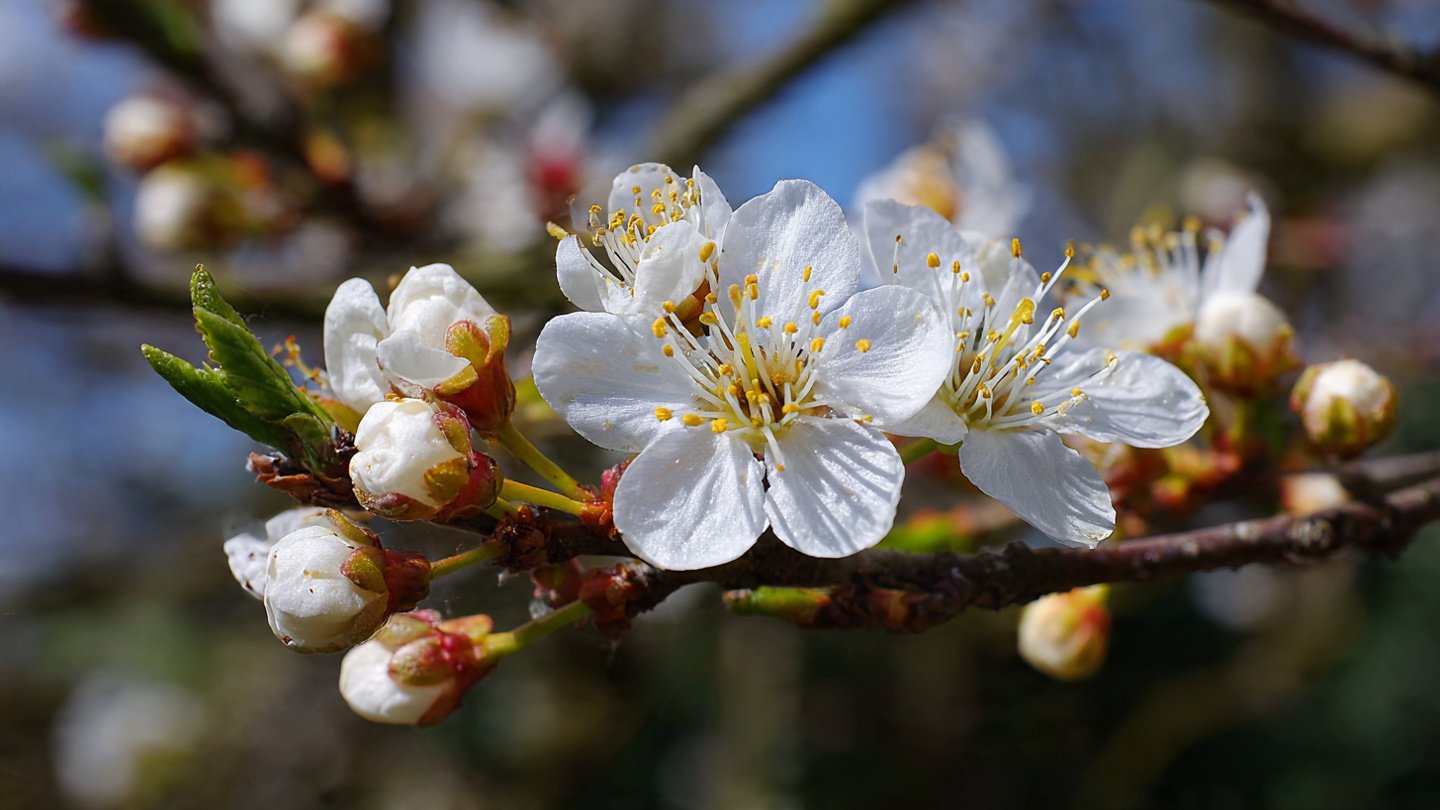
If you are a fruit tree enthusiast, you might be wondering if it’s possible to have your trees blossom not just once, but twice within a single growing season. While achieving a double bloom can be a challenge, it is indeed possible with the right techniques and care. This article explores various methods to encourage your fruit trees to produce blossoms a second time during the year, leading to an abundant harvest and healthier trees.
Understanding Fruit Tree Flowering Cycles
Before diving into methods for achieving double blooms, it’s crucial to understand how fruit trees develop flowers. Fruit trees typically go through distinct growth stages:
- Bud Development: The formation of buds occurs in late winter or early spring, depending on the species and climate.
- Flowering: Buds open and flowers bloom, generally lasting for a few weeks.
- Fruit Set: After pollination, flowers transform into fruits.
Some trees, known as “everbearing” or “recurrent” species, have been bred to bloom multiple times. However, most traditional fruit trees follow a single-bloom cycle. Let’s explore ways to encourage that second flowering.
Optimal Varieties for Double Blooming
Choosing the right varieties is the first step in securing multiple blooms. Some fruit trees are more amenable to blooming twice:
- Apples: Certain apple varieties, such as Fuji and Granny Smith, may produce a second bloom under favorable conditions.
- Pears: Varieties like Asian pears can sometimes offer a double crop.
- Peaches: Though less common, some peach types can yield two harvests.
Research your specific region and consult with local nurseries to find which varieties thrive best in your climate.
Techniques to Encourage Double Flowering
1. Pruning
Proper pruning can stimulate a second bloom. By strategically trimming branches in late winter or early spring, you can encourage the formation of new buds. Focus on:
- Removing dead or overcrowded branches to improve air circulation.
- Cutting back shoots to promote bushier growth.
- Timing your pruning to avoid disrupting the initial bud formation.
2. Fertilization
Adequate nutrition is vital to support blooming. Here’s how to optimize fertilization:
- Use a balanced fertilizer that contains nitrogen, phosphorus, and potassium.
- Apply organic compost to enrich the soil.
- Feed in early spring and again after the first bloom to support a second growth cycle.
3. Watering Techniques
Watering practices can significantly impact flowering. Consider the following:
- Ensure consistent moisture without overwatering, as water stress can inhibit flowering.
- Implement deep watering to encourage root growth and nutrient uptake.
- Mulch around the base of the tree to retain moisture and regulate soil temperature.
4. Pest Management
Insects and diseases can hinder blooming and fruit development. To maintain a healthy tree:
- Regularly inspect your trees for signs of pests.
- Use natural pest repellents or organic pesticides as needed.
- Introduce beneficial insects that prey on harmful pests, such as ladybugs.
5. Temperature Management
Certain fruit trees require specific temperature conditions to bloom. You can influence this by:
- Using row covers during unexpected cold snaps that could damage budding flowers.
- Choosing planting sites that maximize sunlight exposure and warmth.
6. Grafting and Planting Techniques
Grafting can be an advanced method to create trees that exhibit dual blooming behavior. By grafting two compatible varieties, you can potentially create a tree that benefits from the best characteristics of both. Additionally:
- Planting in a location with good airflow can reduce humidity and the risk of diseases, promoting healthy blooms.
Seasonal Considerations
Timing is critical when trying to encourage double blooms. Understanding your local climate and average frost dates can help you plan activities effectively:
- Start caring for your trees early in the spring to promote robust first blooms.
- Monitor the weather closely to avoid unexpected frosts that could damage flowers.
Monitoring for Success
After implementing these techniques, keep a close eye on your trees:
- Note any changes in flowering patterns.
- Evaluate fruit quality and quantity from both blooms.
- Adjust care routines based on performance.
Conclusion
Getting your fruit trees to bloom twice in one year is an achievable goal with commitment and care. By understanding the flowering cycles, selecting the right varieties, and employing various cultivation techniques, you can significantly increase your chances of enjoying two harvests within the same growing season. Remember that patience is key—results may take time. With diligence and observation, you can create a thriving orchard that brings bountiful, twice-yearly yields!
FAQs
1. What types of fruit trees are most likely to bloom twice?
Some of the more responsive varieties include certain apples, pears, and peaches, especially those bred for dual cropping.
2. Can any fruit trees bloom twice?
Not all species are capable of blooming twice; growth conditions, tree health, and variety characteristics play significant roles.
3. How long does it take for fruit after the second bloom?
Typically, it can take four to six weeks after the second bloom for fruits to mature, depending on the species.
4. Is chemical fertilizer better than organic options?
Both have their benefits; organic fertilizers improve soil health, while chemical fertilizers can provide quick nutrient access. Choose based on your tree’s needs and environmental considerations.
5. What common pests should I watch out for?
Common pests include aphids, caterpillars, and spider mites. Regular monitoring is essential for early detection and management.