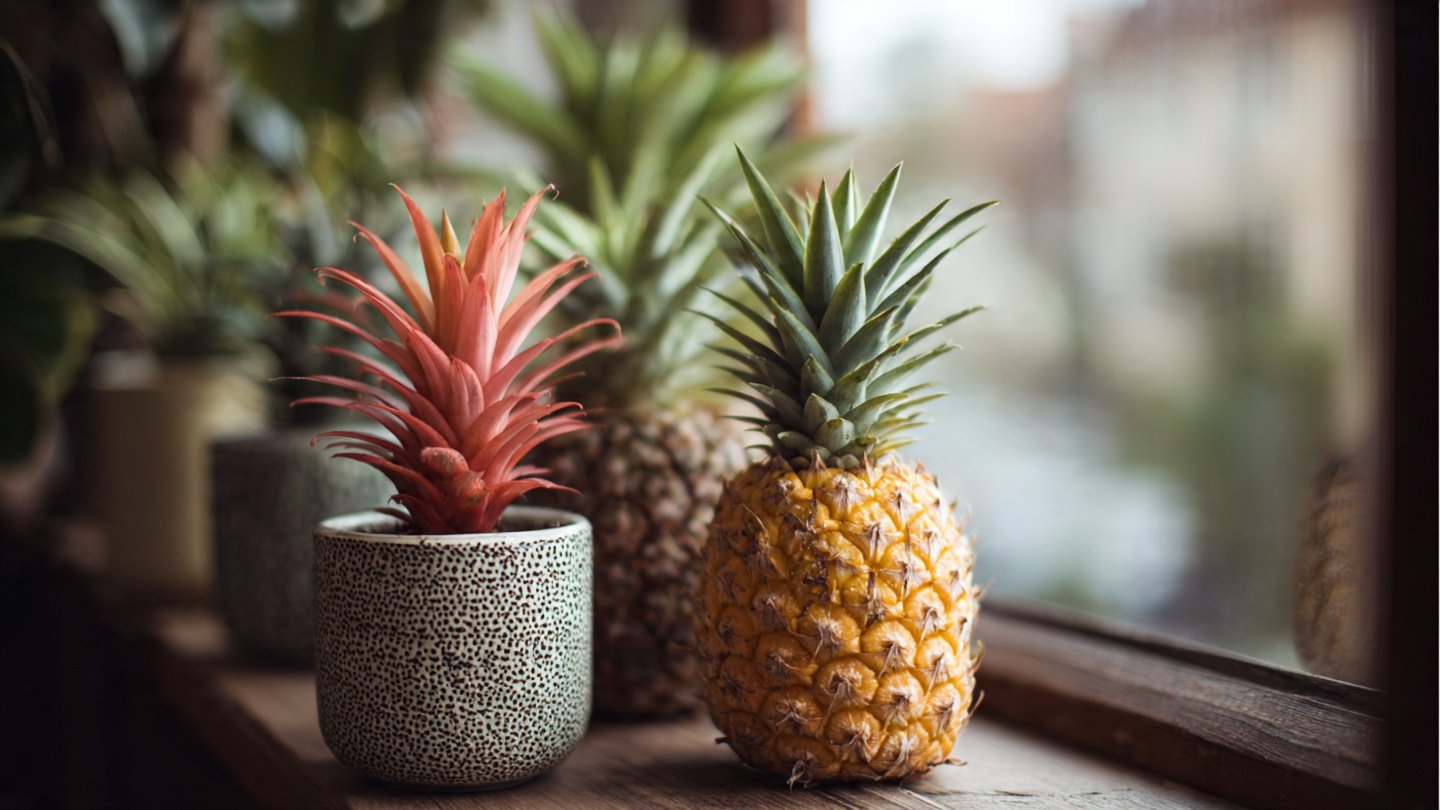
Pineapples are a tropical fruit loved for their sweet, tangy flavor and numerous health benefits. For many, the idea of growing pineapples indoors—especially without soil—may seem like a utopian dream. However, with the right techniques and a bit of patience, it is definitely achievable. This article delves into the methodology, advantages, and challenges of growing pineapples indoors using hydroponics or other soil-less methods.
Understanding Pineapple Plants
Pineapples (Ananas comosus) are remarkable plants native to South America. They belong to the bromeliad family and grow as rosettes of long, arching leaves that can range from green to blue-gray. The fruit forms from the center of the plant and can take up to two years to fully mature. Understanding the growth cycle of pineapples is crucial for successfully cultivating them indoors.
Soil-Less Growing Methods
Growing plants without soil is commonly referred to as hydroponics or aquaponics. The fundamental idea is to provide the necessary nutrients directly to the plants through a nutrient-rich water solution. Here are some popular soil-less methods that can be used to grow pineapples indoors:
- Hydroponics: This method uses a nutrient solution delivered directly to the plant roots, either through a deep water culture or nutrient film technique.
- Aeroponics: In this technique, the roots are suspended in the air, and a fine mist of nutrient-rich water is sprayed directly onto them.
- Kraken Hydroponic Towers: A vertical garden system that allows for efficient space utilization while growing multiple plants in a controlled environment.
- Sub-irrigation Planters: This involves using a reservoir at the bottom of a pot that supplies water and nutrients to the plant’s roots from below.
Starting Pineapple Plants from Crown
The most common method to start growing pineapples is by using the crown of a purchased pineapple. Here’s a step-by-step guide:
- Choose Your Pineapple: Select a healthy, ripe pineapple from your local grocery store. Look for firm leaves and a healthy crown.
- Prepare the Crown: Twist off the crown carefully, ensuring you include a bit of the fruit flesh. Remove lower leaves to expose the stem, then allow it to dry for a couple of days.
- Rooting: Place the crown in a glass of water, ensuring the cut end is submerged. Position it in a bright spot but out of direct sunlight.
- Transplanting: Once roots develop, usually within two weeks, transplant the crown into your chosen soil-less system.
Maintaining Pineapple Growth Indoors
Pineapples require specific conditions to thrive indoors. Here are some key factors to consider:
Light
Pineapples require a lot of light, ideally 12 to 14 hours a day. Using grow lights is often necessary, especially in winter months. LED grow lights are popular due to their energy efficiency.
Temperature
They prefer warm temperatures between 65°F to 95°F (18°C to 35°C). Keeping a stable temperature is essential for their growth and flowering.
Humidity
Pineapples thrive in humid conditions. If your indoor environment is dry, consider using a humidifier or placing a tray of water near your plant.
Nutrients
In a hydroponic setup, be sure to use liquid fertilizers formulated for fruiting plants to supply essential nutrients. Monitor and adjust the nutrient solution regularly to maintain optimal nutrient levels.
Benefits of Growing Pineapples Indoors without Soil
Growing pineapples indoors without soil offers several advantages:
- Space Efficiency: Indoor gardening allows you to utilize limited space more effectively.
- Faster Growth: Hydroponically grown pineapples can grow faster than those planted in soil.
- Less Maintenance: Soil-less systems generally reduce the risk of pests and diseases often associated with soil.
- Year-Round Harvesting: You can control the growing conditions, allowing you to grow pineapples regardless of the season.
Challenges to Consider
While growing pineapples indoors without soil has its benefits, some challenges can arise, including:
- Initial Setup Cost: Hydroponics can require a substantial initial investment for equipment and supplies.
- Learning Curve: Understanding how to balance nutrients and manage water levels can be complex for beginners.
- Space Requirements: While hydroponics can save space, adequate lighting and system size still require some room, especially as the plants mature.
Conclusion
Growing pineapples indoors without soil is not only possible but can also be a rewarding venture. By utilizing hydroponics or other soil-less methods, you can enjoy the satisfaction of watching your pineapple plants flourish in your home. With careful attention to light, temperature, humidity, and nutrients, you’ll be on your way to harvesting your very own indoor pineapples. While there are challenges, the benefits often outweigh them, making it a worthwhile endeavor for any home gardener.
FAQs
1. Can I grow pineapples in water forever?
No, while you can start pineapples in water to root them, they eventually need to be transplanted into a soil-less medium or hydroponic system to thrive and bear fruit.
2. How long does it take to grow a pineapple indoors?
Typically, it takes about 18 to 24 months for a pineapple plant to produce fruit when grown indoors.
3. Do pineapples need pollination to fruit?
No, pineapples are self-pollinating, so you don’t need to worry about pollination when growing them indoors.
4. Can I plant pineapple crowns directly in soil?
Yes, pineapple crowns can be planted directly in soil, but they will grow more efficiently in a hydroponic or soil-less environment.
5. What kind of light do pineapples need?
Pineapples need bright light for about 12 to 14 hours a day. LED grow lights are a great option for indoor growth.