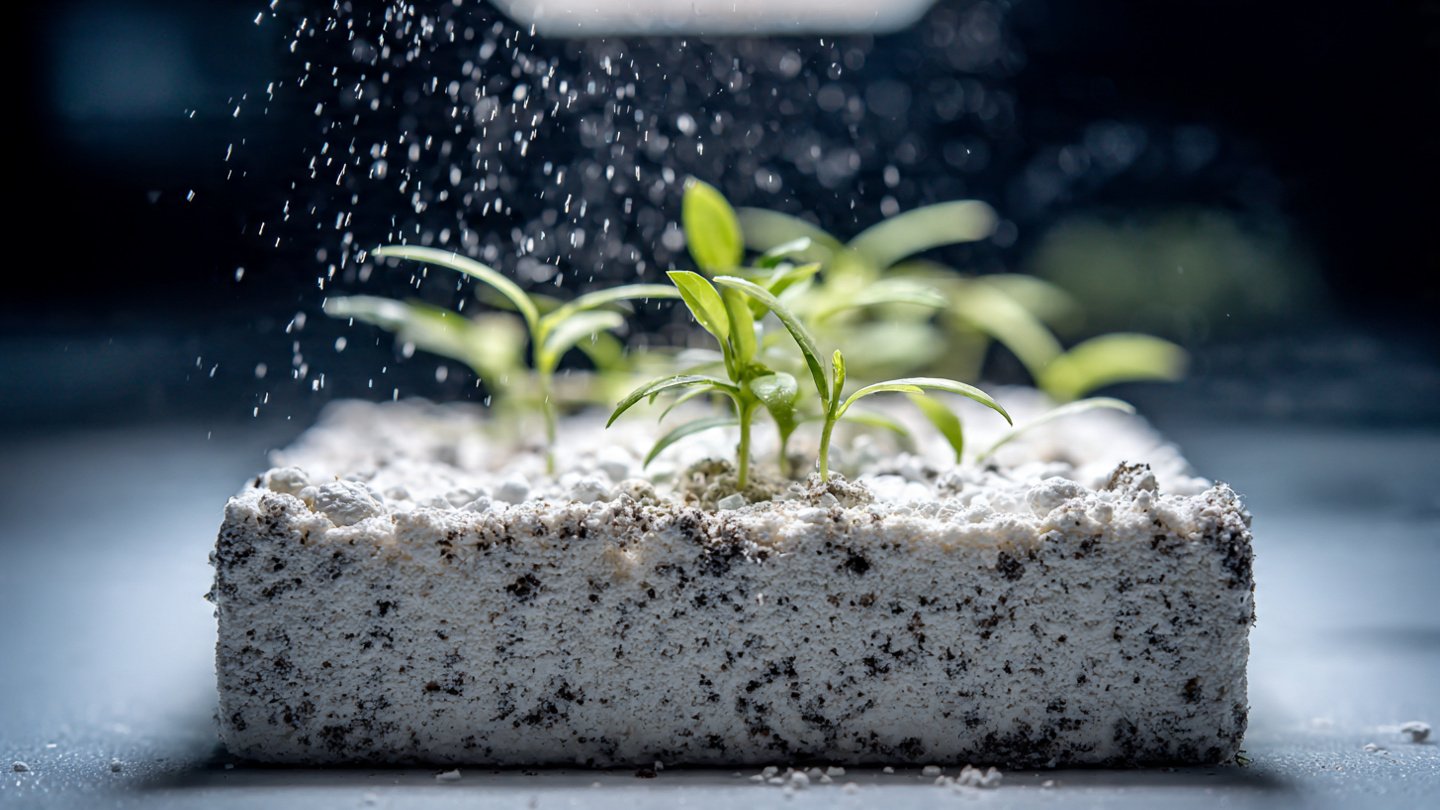
Propagating cuttings is an essential practice for gardeners and horticulturists looking to expand their plant collection without purchasing new specimens. Among the various mediums available for this purpose, perlite has gained significant attention for its superior performance compared to traditional soil. This article delves into the reasons why perlite is often the preferred choice for propagating cuttings, exploring its properties, benefits, and practical applications.
Understanding Perlite
Perlite is a naturally occurring volcanic glass that, when heated, expands to create a lightweight, white material. Its unique structure is characterized by numerous air pockets, which contribute to its excellent drainage and aeration capabilities. These properties make perlite an ideal medium for various horticultural applications, especially for propagating cuttings.
Key Advantages of Perlite over Soil
1. Enhanced Aeration
One of the most crucial factors in the successful propagation of cuttings is ensuring they receive adequate oxygen. Traditional soil can become compacted, leading to poor oxygen availability for the developing roots. In contrast, perlite’s airy structure allows for superior airflow, helping to prevent root rot and other related issues.
2. Improved Drainage
Proper drainage is vital in preventing over-saturation, which can lead to fungal diseases, root rot, and overall plant failure. Perlite promotes quick drainage, allowing excess water to escape swiftly. This aspect is particularly beneficial for cuttings, as they are sensitive to waterlogged conditions.
3. pH Neutrality
Another advantage of perlite is its pH-neutral nature. Most potting soils can vary in pH levels, affecting the plant’s ability to absorb nutrients. Perlite maintains a consistent pH, offering a stable environment for root development and nutrient uptake.
4. Light Weight
Perlite is considerably lighter than traditional soil mixes. This weight advantage not only makes handling easier, but also allows for the establishment of larger root systems in smaller containers. The lightweight nature of perlite is particularly useful for indoor propagation setups where space and weight are considerations.
5. Reduced Risk of Soil-borne Diseases
Using perlite minimizes the risk of introducing soil-borne pathogens. Traditional soils can harbor pests and diseases, which may harm cuttings during their vulnerable rooting phase. By using perlite, growers reduce the risk of these threats, creating a healthier environment for new plants.
6. Reusability
Perlite can be reused multiple times with proper cleaning. This characteristic not only reduces waste but also makes it a more economical option for avid gardeners. Traditional soil mixes often deteriorate and harbor pathogens after use, necessitating disposal and replacement.
How to Use Perlite for Propagation
Using perlite as a medium for propagating cuttings requires a few simple steps:
- Preparation: Begin with clean, coarse perlite. You can rinse it to remove any dust or debris.
- Container Selection: Choose a suitable container with drainage holes to facilitate good airflow and water drainage.
- Cutting Preparation: Select healthy cuttings from your desired plant. Ensure they have at least a few sets of leaves and a healthy node for rooting.
- Planting: Gently place the cuttings in the perlite, ensuring the nodes are buried but not overly compacted.
- Watering: Water the perlite until it is evenly moist but not soggy. Monitor moisture levels, ensuring it doesn’t dry out completely.
- Environmental Conditions: Place the container in a warm, bright location but avoid direct sunlight, which can cause the cuttings to wilt.
Choosing the Right Type of Perlite
While all perlite products have similar properties, there can be variations in the size and grade available in stores. For propagating cuttings, it’s often recommended to use medium to coarse perlite granules. These sizes provide a balance of aeration and moisture retention, perfect for encouraging rooting.
Combining Perlite with Other Mediums
While perlite is excellent on its own, it can also be mixed with other mediums to create a custom soil blend. Common combinations include:
- Peat Moss: Mixing perlite with peat moss can enhance water retention while ensuring good drainage.
- Coconut Coir: Similar to peat but more sustainable, coconut coir mixed with perlite creates a well-aerated and moisture-retentive medium.
- Vermiculite: Combining perlite with vermiculite can provide an ideal mix for cuttings, as vermiculite holds water and nutrients effectively.
Common Questions About Using Perlite for Propagation
1. Can I use perlite alone for all types of cuttings?
Yes, perlite can be used alone for most types of cuttings. However, specific plants might benefit from the addition of other mediums to enhance moisture retention or nutrient availability.
2. How often should I water cuttings in perlite?
Monitor the moisture level closely. Generally, the perlite should remain evenly moist but not soggy. Water when the top quarter of the medium feels dry to the touch.
3. How long does it take for cuttings to root in perlite?
Rooting time can vary depending on the plant species and environmental conditions. Typically, cuttings can take anywhere from a few weeks to a couple of months to establish roots.
4. Should I use fertilizer when propagating cuttings in perlite?
It is usually best to avoid fertilizers until the cuttings have established a healthy root system. Once they are well-rooted, you can start applying a diluted fertilizer appropriate for the plant type.
5. Can perlite be used outdoors for propagation?
Yes, perlite can be used outdoors, but be cautious of environmental factors such as wind and rain which might disrupt the moisture levels. Ensure the cuttings are adequately sheltered during extreme weather.
Conclusion
Propagating cuttings is a rewarding experience, and choosing the right medium can significantly impact success rates. Perlite offers numerous advantages over traditional soil, including superior aeration, enhanced drainage, pH neutrality, and reduced risk of disease. By utilizing perlite for propagation, gardeners can create a conducive environment for root development, leading to healthier plants and a thriving garden. Whether you’re a novice or an experienced horticulturist, incorporating perlite into your propagation practices is likely to yield impressive results, making it a wise choice for plant enthusiasts everywhere.
Frequently Asked Questions (FAQs)
1. Can I mix perlite with other mediums?
Absolutely! Mixing perlite with peat, coconut coir, or vermiculite can enhance the propagation environment for your cuttings.
2. How do I know when to transplant my cuttings?
Once your cuttings have established a healthy root system, evidenced by roots growing through the perlite, they can be transplanted into larger containers or directly into your garden.
3. Is perlite recyclable?
Yes, perlite can be cleaned and reused for multiple cycles, making it an environmentally friendly option for your gardening needs.