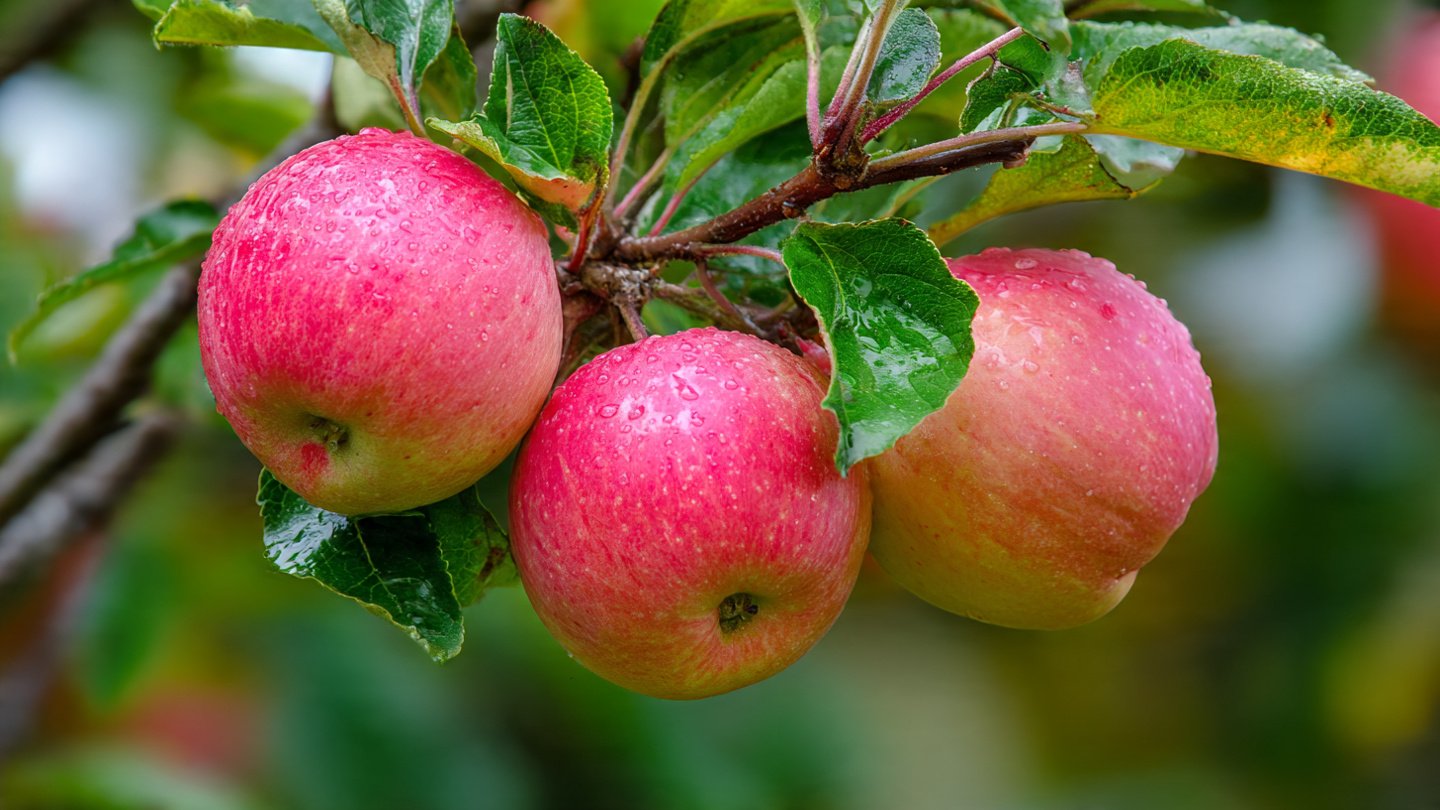
Apple trees are among the most popular fruit trees cultivated globally, appreciated not only for their delicious fruit but also for their beautiful blossoms and the picturesque nature they add to any garden. However, many gardeners encounter a common phenomenon where their apple trees bear fruit every other year. This characteristic, known as “alternate bearing,” can be puzzling for both seasoned and novice gardeners alike. In this article, we will explore the reasons behind this phenomenon, its implications, and steps you can take to encourage more consistent fruit production.
Understanding Alternate Bearing
Alternate bearing refers to the tendency of apple trees (and some other fruit trees) to produce a heavy crop one year followed by a lighter crop or no fruit the following year. This cycle can be influenced by various biological, environmental, and management factors.
Biological Factors
Tree Physiology: Fruit trees have finite resources for energy and nutrients, which they allocate to fruit production, vegetative growth, and root development. When a tree produces a significant number of fruits in a given year, it can deplete its energy reserves, leading to a weaker performance the following year.
Hormonal Regulation: Trees produce hormones that regulate growth and fruiting. In an abundant year, the production of certain hormones prompts the tree to divert energy toward developing fruit. In the following year, the depletion of these resources can result in reduced hormone production, leading to fewer fruits.
Flower Bud Formation: Apple trees set flower buds in the summer for the following spring. High fruit yields can inhibit the formation of new buds. When a tree bears an abundant crop, the following year’s crop might be diminished due to the lack of sufficient buds.
Environmental Factors
Weather Conditions: Weather impacts both the quantity and quality of fruit production. Spring frosts can damage young buds, while inconsistent rainfall can cause stress to the tree. These weather variations can lead to irregular fruiting cycles.
Pollination: Successful fruit development relies on effective pollination. If conditions are unfavorable for pollinators or if there are inadequate pollinator populations, the result can be fewer fruit sets in some years compared to others.
Management Practices
Pruning: Improper pruning can lead to dense canopies that block sunlight and inhibit fruit development. If a tree is not pruned correctly, it might produce a large number of fruits in one year while the next year sees fewer due to unbalanced growth.
Fertilization: Imbalanced fertilization can lead to excessive vegetative growth at the expense of fruit production. If a tree receives too much nitrogen, it may focus on growing leaves rather than producing fruit, which can lead to alternate bearing.
Watering: Inconsistent watering, whether too much or too little, affects a tree’s health and its ability to produce fruit. Drought or overwatering can stress the tree, affecting its fruit-bearing ability.
Implications of Alternate Bearing
The irregular production of apples can be frustrating for gardeners who depend on their trees for consistent harvests. Here are a few implications of alternate bearing:
Economic Impact: For commercial growers, this pattern can lead to unpredictable income. Heavy production years may be followed by years with little to no harvest, complicating financial planning.
Resource Allocation: Time and resources invested in managing an apple tree can lead to disappointment when fruit yields are inconsistent. Gardeners must assess the long-term health of their trees in relation to their productivity patterns.
Genetic Factors: Some apple varieties are more prone to alternate bearing than others. Understanding the tendencies of the specific varieties in your garden can help in management strategies.
Strategies to Encourage Consistent Fruit Production
While alternate bearing can be a natural process, several strategies can help mitigate its effects and promote more consistent fruit production.
1. Regular Pruning
Pruning plays a key role in maintaining the health and productivity of apple trees. By properly thinning out branches and encouraging light penetration, you can promote the development of flower buds. Focus on:
- Thinning: Remove excess branches and crowded areas to improve air circulation and sunlight penetration.
- Making Strategic Cuts: Aim for cuts that promote an open center, allowing light to reach the inner parts of the tree.
2. Balanced Fertilization
Fertilization should be done thoughtfully to ensure that the tree receives a well-balanced diet. Here are some pointers:
- Soil Testing: Conduct a soil test to determine nutrient levels and adjust fertilization accordingly.
- Fertilizer Types: Use a balanced fertilizer that provides essential nutrients without encouraging excessive vegetative growth. Aim for low-nitrogen, with adequate levels of phosphorus and potassium to support fruit production.
3. Adequate Watering
Ensure your apple tree receives consistent and adequate watering throughout the growing season. Here’s how to manage watering effectively:
- Mulching: Apply mulch around the base of the tree to retain moisture and suppress weeds.
- Check Soil Moisture: Regularly monitor the soil moisture; overwatering or underwatering can both lead to stress and impact fruit production negatively.
4. Promote Pollinator Health
To ensure that your apple tree is effectively pollinated, consider:
- Planting Pollinator-Friendly Flowers: Surround your apple trees with flowering plants that attract pollinators such as bees and butterflies.
- Diverse Apple Varieties: Plant different apple varieties in proximity, as cross-pollination can enhance fruit set.
5. Thinning Fruit
Thinning fruit in heavy production years can encourage better fruit quality and develop flower buds for the following year. When you notice that your tree is producing heavily, consider:
- Thinning Imbalances: Leave a moderate number of apples on the tree, removing excess fruit while ensuring adequate spacing between the remaining apples.
- Hand Thinning: Remove some fruit by hand to improve the overall health and size of the remaining apples.
Conclusion
Understanding why your apple tree bears fruit every other year involves recognizing the intertwined influences of biology, environmental factors, and management practices. While alternate bearing can be frustrating, exploring the reasons and implementing strategic management techniques may help produce more consistently fruitful harvests.
Apple trees are resilient and capable of adjustment when cared for properly. By applying these practices, gardeners can increase their chances of achieving regular, abundant harvests, ultimately enjoying the fruits of their labor year after year. As with all things in gardening, patience and ongoing learning are paramount to success.