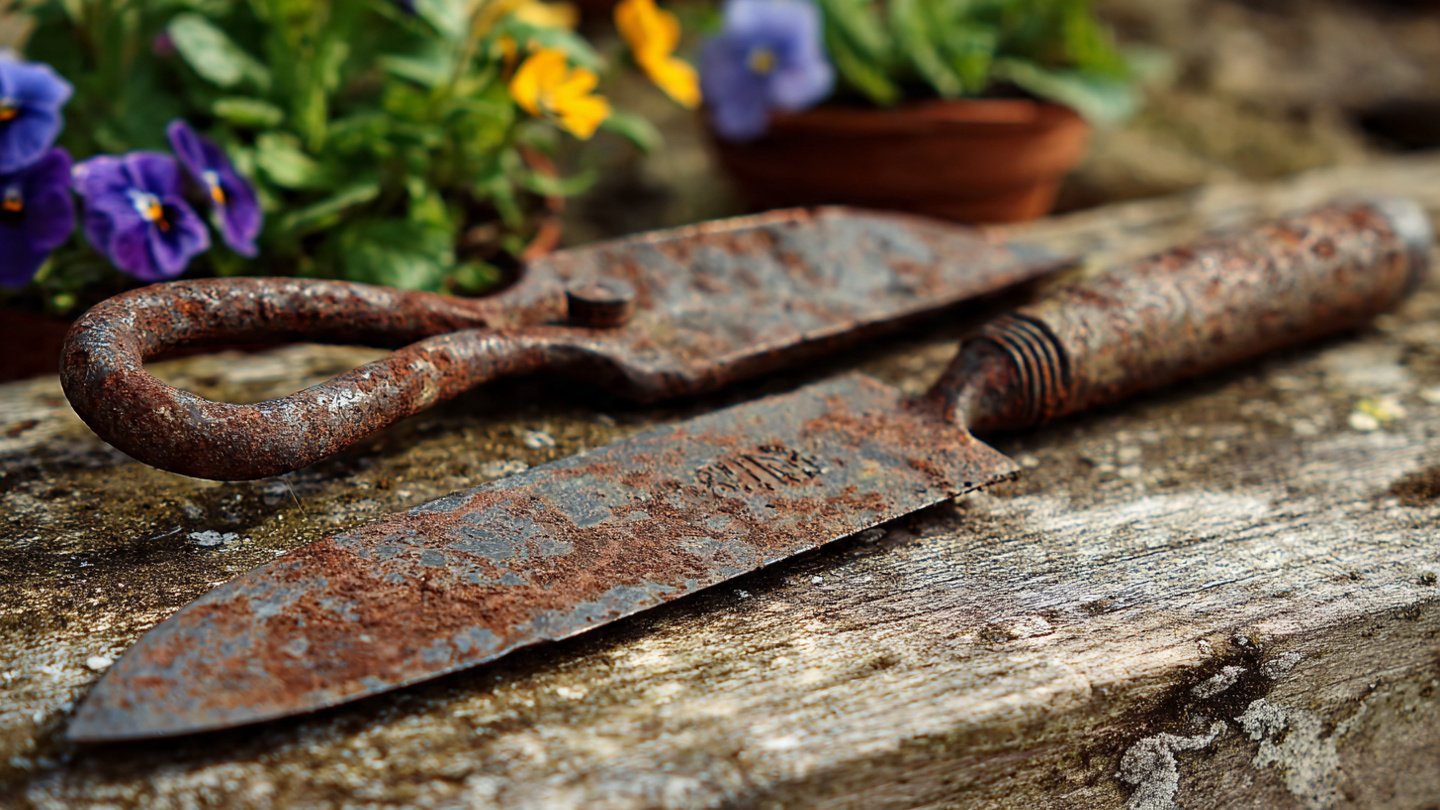
Garden tools are essential for maintaining a healthy and beautiful garden. However, over time, these tools can become rusty due to exposure to moisture and the elements. Rust not only makes your tools look unappealing but can also degrade their functionality. While there are many commercial rust removers available, there is a surprising kitchen item that can effectively clean rusty garden tools: vinegar. This article explores how vinegar works, its benefits, and an easy step-by-step guide on using it to clean your rusty tools.
Understanding Rust and Its Causes
Rust is a type of corrosion that occurs when iron or its alloys (like steel) react with oxygen and moisture in the environment. The chemical reaction leads to the formation of iron oxides, commonly known as rust. Several factors can contribute to the formation of rust on garden tools:
- Moisture: Water is the primary catalyst for rust formation. Tools left outside or stored in damp places are more susceptible to rust.
- Air Exposure: Oxygen in the air reacts with metal surfaces, facilitating rust development over time.
- Lack of Maintenance: Tools that aren’t regularly cleaned and maintained can develop rust more rapidly.
Why Choose Vinegar for Rust Removal?
Vinegar is a popular household item known for its versatility in cooking and cleaning. It contains acetic acid, a weak acid that can dissolve rust effectively. Here are some advantages of using vinegar for rust removal:
- Natural and Non-Toxic: Unlike commercial rust removers that may contain harsh chemicals, vinegar is a natural and safe alternative.
- Readily Available: Most households have vinegar in the kitchen, making it a convenient choice.
- Inexpensive: Vinegar is cost-effective compared to specialized cleaning products.
- Versatile: In addition to rust removal, vinegar has various uses in cleaning, cooking, and even gardening.
Step-by-Step Guide to Cleaning Rusty Garden Tools with Vinegar
Here’s a simple step-by-step process for using vinegar to clean your rusty garden tools:
Materials Needed:
- White vinegar (or apple cider vinegar)
- Scrub brush or steel wool
- Bucket or container
- Water
- Clean cloth or towel
- Optional: baking soda for stubborn rust
Cleaning Steps:
Step 1: Prepare Your Tools
Start by gathering all your rusty tools. Remove any loose dirt or debris from the tools using a dry cloth.
Step 2: Soak in Vinegar
Submerge the rusty parts of the tools in a container filled with vinegar. If the rust is particularly severe, it may be helpful to soak them overnight or for at least several hours.
Step 3: Scrub Off the Rust
After soaking, use a scrub brush or steel wool to scrub away the rust. The acetic acid in the vinegar will have loosened the rust, making it easier to remove. For stubborn patches, sprinkle some baking soda on the rust and scrub again.
Step 4: Rinse and Dry
After removing the rust, rinse the tools under warm water to remove any vinegar residue. Ensure that the tools are completely dry to prevent future rust formation.
Step 5: Store Properly
Store your cleaned tools in a dry place. Consider applying a thin layer of oil (like vegetable or mineral oil) to the metal parts for extra protection against rust.
Preventing Rust on Garden Tools
While vinegar is an excellent solution for removing existing rust, it’s equally important to take steps to prevent rust from forming in the first place. Here are some tips:
- Clean After Use: Always clean your tools after use to remove dirt, sap, and moisture.
- Store Tools Indoors: Keep tools in a dry area, away from moisture and humidity.
- Oil Your Tools: Regularly oiling metal parts can create a protective barrier against rust.
- Use a Tool Rack: Store tools upright on a rack to avoid moisture that can accumulate when tools are stored laying flat.
Conclusion
Vinegar is a powerful and natural solution for cleaning rusty garden tools. Its effectiveness, combined with its availability and low cost, makes it an ideal choice for gardeners looking to maintain their tools. By incorporating simple cleaning routines and preventative measures, you can extend the life of your tools and keep your garden flourishing.
FAQs
1. Can I use vinegar on all types of metal tools?
Vinegar is safe for most metal tools, but it is advisable to test it on a small area first, especially for more delicate tools or those made from reactive metals.
2. How long does it take for vinegar to remove rust?
The duration can vary based on the severity of the rust. Typically, letting the tools soak for several hours or overnight yields the best results.
3. Is there a way to remove rust using vinegar without soaking?
Yes, you can apply vinegar directly to the rust using a cloth or sponge, let it sit for some time, and then scrub the rust off. This method is suitable for tools that cannot be submerged.
4. What should I do if the rust is particularly stubborn?
If rust proves difficult to remove, you can create a paste using baking soda and water, apply it to the rusted area, let it sit, and then scrub with vinegar.
5. How can I ensure my tools don’t rust again after cleaning?
After cleaning, always dry your tools thoroughly and consider applying a thin layer of oil to protect the metal from moisture and forming rust.