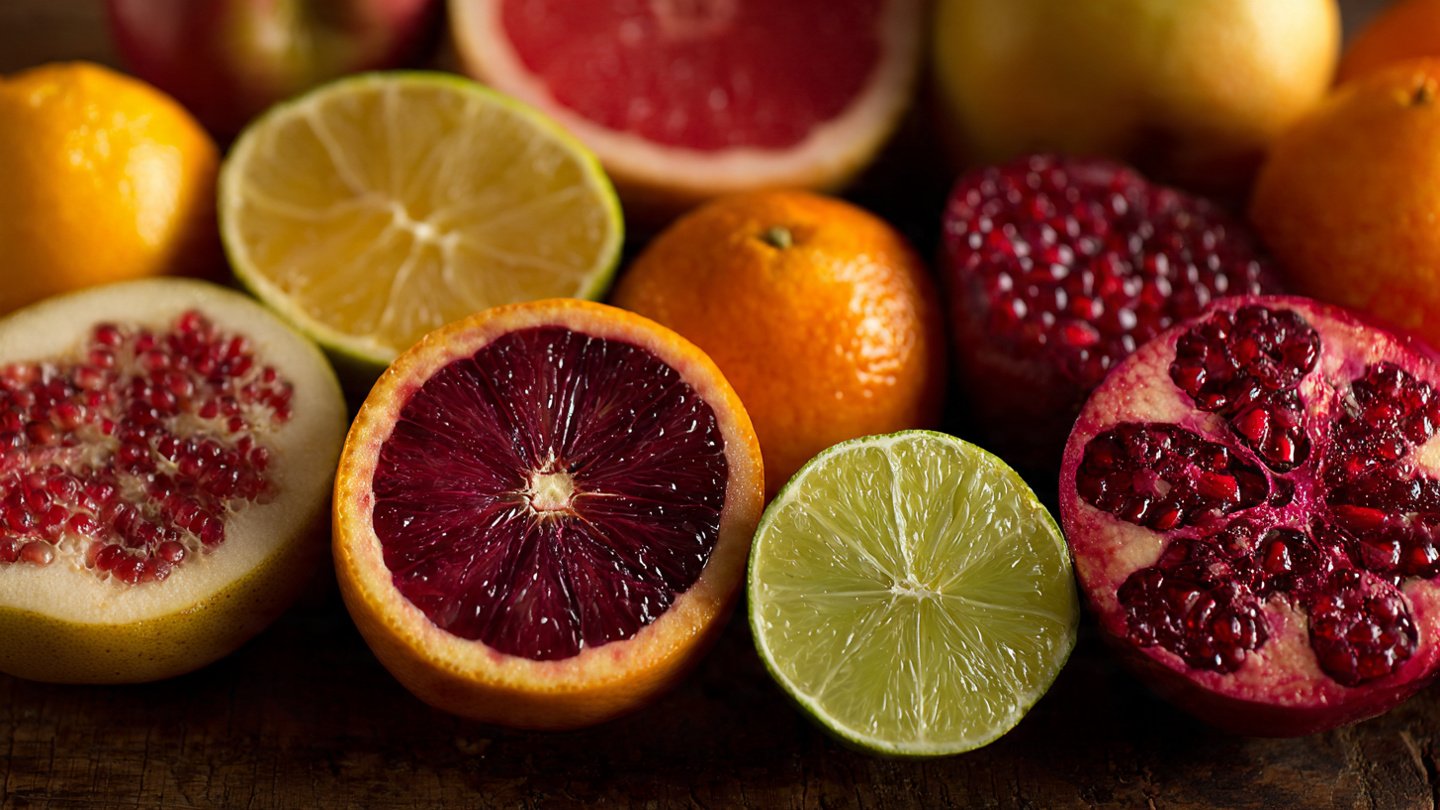
We’ve all had that experience: you pick up a piece of fruit that looks perfectly ripe and delectable, only to bite into it and find that it tastes sour. This can be disheartening, especially when you’re craving the sweetness you anticipated. Why does this happen? The reasons are multifaceted, involving factors such as genetics, environmental conditions, and fruit ripeness. In this article, we will explore why some fruits can taste sour despite their ripe appearance.
1. Understanding Fruit Ripeness
Fruit ripeness is primarily determined by the balance of sugars and organic acids, which develop as fruits mature. As fruits ripen, they typically accumulate sugars and lose acidity. However, not all fruits ripen uniformly, and several factors can contribute to an imbalance between sugars and acids.
1.1 Genetics and Fruit Varieties
Different varieties of the same fruit can taste vastly different. For instance, not all apples or strawberries are created equal; certain cultivars naturally contain higher levels of acids. Even fruits that look similar can have unique flavor profiles due to their genetic makeup.
1.2 Climate and Growing Conditions
The environment where the fruit is grown significantly influences its taste. Factors such as soil quality, water availability, and even temperature can affect the nutrients that the fruit absorbs and the sugars it produces. For example:
- Fruits grown in areas with high sunlight generally develop more sugars, leading to sweeter flavors.
- Conversely, lower light levels or poor soil can result in less sugar production, leaving a higher acid concentration in the fruit.
2. The Ripening Process
The ripening process is not just about sugars increasing. It’s also about the breakdown of acids. When the balance is tipped in favor of acids, you might end up with a piece of fruit that looks ripe but tastes sour.
2.1 Ethylene Production
Fruits produce a natural plant hormone called ethylene, which triggers the ripening process. While ethylene helps fruits to sweeten, not all fruits produce it at the same rate. Some may appear ripe externally but remain tart internally due to insufficient ethylene production.
2.2 Post-Harvest Treatments
Fruits are often harvested before they are fully ripe to ensure they can withstand shipping and handling. This early harvesting can lead to sour tastes upon reaching consumers. While certain methods are used to speed up ripening, these may not always effectively convert acids into sugars, leaving the fruit tasting sour.
3. Storage and Shipping Conditions
The conditions under which fruit is stored and transported can dramatically affect its flavor. Temperature, exposure to light, and humidity play crucial roles in maintaining a fruit’s sweetness and preventing acid buildup.
3.1 Cold Storage
Cold storage helps maintain the life of perishable goods, but it can also impact the ripening process. If fruit is stored at too low a temperature for an extended period, sugars may not develop as they should. The result? Ripe-looking but sour-tasting fruit.
3.2 Ethylene Sensitivity
Some fruits are more sensitive to ethylene than others. If stored alongside ethylene-producing fruits, the balance of sugars and acids can be negatively affected. It’s essential to store fruits correctly to preserve their taste.
4. Environmental Impact and Harvest Timing
The timing of the harvest can also significantly influence fruit taste. Fruits that are left on the tree for too long may start to break down, leading to an increase in sour flavors. Understanding the ideal harvest time for each fruit type can help ensure better tasting produce.
4.1 Seasonal Variations
Seasonality plays a crucial role in fruit taste. Fruits picked in their peak season tend to offer the best flavors, whereas off-season fruits may lack the sweetness expected. Weather patterns during the growing season, such as unseasonable rain or heat, can also exacerbate acidity levels.
5. Personal Taste and Perception
Our individual preferences play a significant part in how we perceive the taste of fruit. Some people might enjoy a tangy fruit, while others expect them to be sweet. Additionally, our palates can be influenced by previous experiences, the food we consume, and even psychological factors.
5.1 Taste Sensitivity
Some individuals are more sensitive to sour tastes due to genetic factors. This heightened sensitivity can make fruit that is mildly sour seem overwhelmingly so, even if others find it pleasant.
5.2 Psychological Factors
Expectations can shape taste perception. If we expect fruit to be sweet based on its appearance, we may interpret any tartness as overly sour. Similarly, our mood and context (e.g., eating fruit after a sweet dish) can influence our taste experience.
6. How to Choose the Right Fruit
Given all these factors, how can consumers make better fruit choices and avoid sour surprises?
6.1 Know Your Varieties
Conduct research to know which varieties of fruits tend to be sweeter and which ones might be tart. This knowledge can guide your selections at the market or grocery store.
6.2 Pay Attention to Sourcing
Buy fruits that are in season or sourced locally whenever possible. They are more likely to be ripe and sweet, enhancing your overall experience.
6.3 Check for Signs of Ripeness
While color is a general indicator of ripeness, other factors such as firmness and aroma should also be considered. A fragrant smell can signify sweetness, while a firm texture may indicate underripe or overly green fruit.
6.4 Ask Questions
Don’t hesitate to ask vendors or grocers about the taste of their fruits, especially if they have samples available. Knowing more about the fruit you are purchasing can enhance your shopping experience.
Conclusion
The reasons why fruit can taste sour, despite looking perfectly ripe, are multifaceted and involve genetics, environmental conditions, ripening processes, storage methods, and personal preferences. By understanding these factors, consumers can better navigate their choices and enjoy the sweet flavors of fruits as they were meant to be experienced. Always remember to be mindful of the fruit’s source, the season, and the variety itself to minimize the chances of disappointment in flavor.
Frequently Asked Questions (FAQs)
1. Why do some fruits taste sour even when they look ripe?
Fruits can be sour despite their ripe appearance due to genetic factors, environmental conditions, ripening processes, and storage methods that maintain high acidity levels.
2. What can I do to ensure I’m buying sweet fruit?
Research varieties, buy seasonal and local fruits, check for signs of ripeness like aroma and firmness, and ask vendors for advice on taste.
3. Does ripening affect the taste of fruit?
Yes, proper ripening leads to a balance of sugars and acids, affecting flavor. Fruits that are picked too early may taste sour due to insufficient sugar development.
4. Can cold storage impact fruit taste?
Yes, fruits stored at low temperatures for too long may not develop sugars as they should, leading to sour-tasting fruit.
5. Are there specific varieties of fruit known for being sweeter?
Yes, certain cultivars of fruits like apples and strawberries are bred for sweetness, while others may be more tart. Research can help guide your choices.