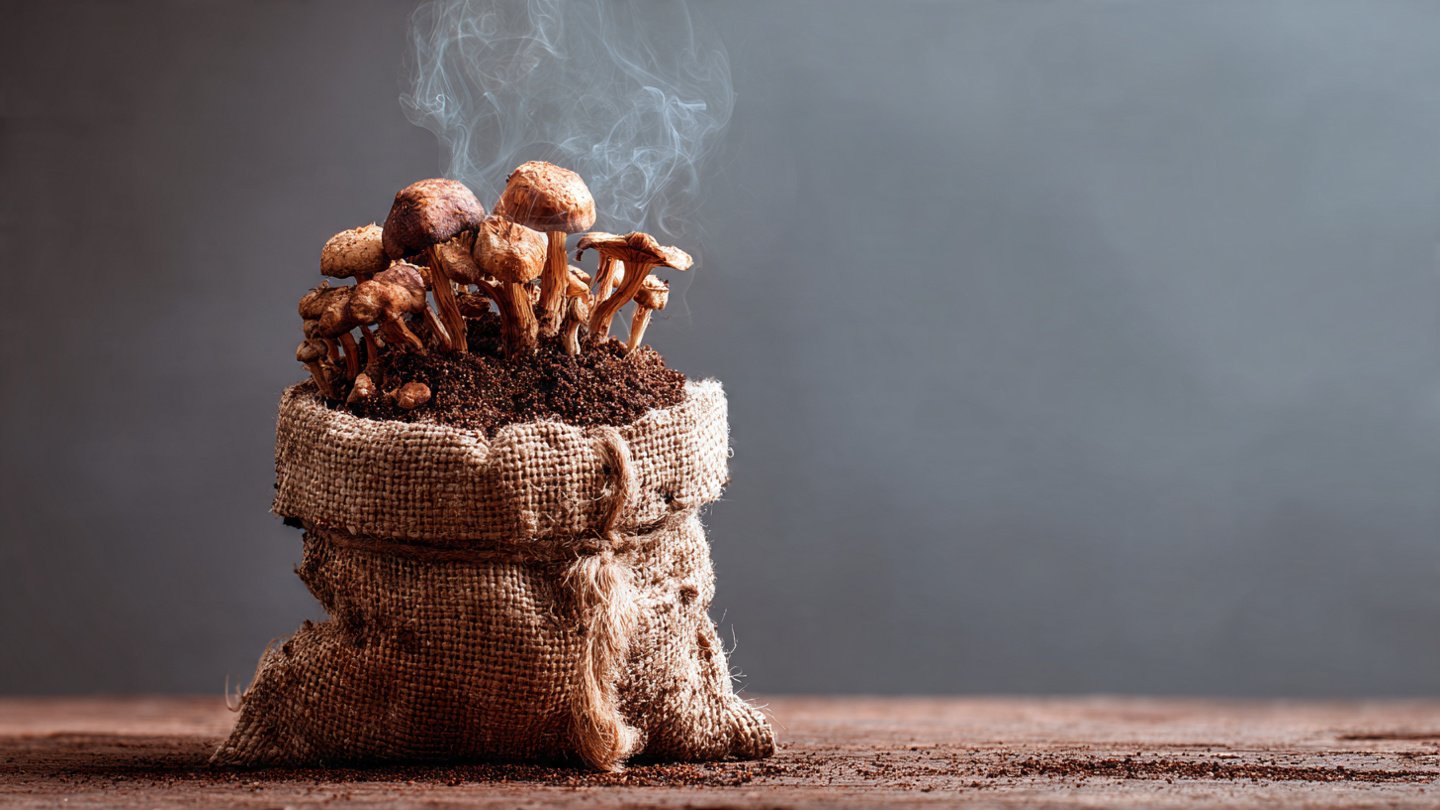
Growing mushrooms has gained popularity in recent years as a sustainable and rewarding hobby. With many urban dwellers looking for sustainable ways to grow food, the question arises: can you really grow mushrooms in a bag of used coffee grounds? The short answer is yes! But let’s delve deeper into the fascinating process of mushroom cultivation using coffee grounds.
Understanding Mushroom Cultivation
Mushroom cultivation involves the growing of fungi in a controlled environment. Various substrates can serve as mediums for growth, providing essential nutrients. Traditional substrates include straw, sawdust, and wood chips. However, the use of coffee grounds as a substrate has become increasingly popular due to its abundance and nutrient value.
The Benefits of Using Coffee Grounds
There are several compelling reasons to use coffee grounds for mushroom cultivation:
- Sustainable Resource: Millions of tons of coffee grounds are discarded each year. By repurposing them, we can reduce waste and promote environmental sustainability.
- Nutrient-Rich: Coffee grounds are rich in nitrogen, making them an excellent choice for certain mushroom species that thrive on high-nitrogen substrates.
- Cost-Effective: Obtaining used coffee grounds can be free or inexpensive, especially if you ask local cafes or coffee shops for their waste.
- Unique Flavor: Some mushroom varieties grown in coffee grounds may exhibit distinct flavors, adding to their culinary value.
Choosing the Right Mushroom Species
Not all mushrooms can grow successfully in coffee grounds. Here are a few species known to thrive in this substrate:
- Oyster Mushrooms: Arguably the most popular choice, oyster mushrooms (Pleurotus ostreatus) flourish on coffee grounds and produce large yields.
- Reishi Mushrooms: While more complex to cultivate, reishi (Ganoderma lucidum) can also be grown in coffee grounds, offering medicinal benefits.
- Shiitake Mushrooms: Although they are traditionally grown on wood, shiitake (Lentinula edodes) can adapt to coffee grounds when supplemented properly.
How to Grow Mushrooms in Coffee Grounds
Now that we understand the benefits and the right species, let’s look at the step-by-step process of growing mushrooms in coffee grounds.
Materials Needed
- Used coffee grounds (ideally fresh and free of contaminants)
- Mushroom spawn (available from gardening stores or online)
- A plastic bag (preferably with small holes for air circulation)
- A clean workspace
- Optional: additional nutrients like straw or gypsum
Step-by-Step Process
- Collect Coffee Grounds: Gather used coffee grounds from your brewing experiments or local coffee shops. Make sure they are not too old or contaminated.
- Mix the Substrate: Mix the coffee grounds with mushroom spawn in a clean bowl. If you want to enhance the nutrient content, consider adding straw or gypsum at this stage.
- Fill the Bag: Place the mixture into your plastic bag. Do not pack it too tightly; leave some air space to allow for proper aeration.
- Seal and Store: Seal the bag, ensuring there are small holes or slits for gas exchange. Store it in a dark, warm place (ideally between 65°F and 75°F).
- Wait for Mycelium Growth: Within a week or two, you should notice white mycelium spreading through the coffee grounds. This indicates successful colonization.
- Introduce Light and Humidity: Once fully colonized, move the bag to a location with indirect light and high humidity. This will help initiate the fruiting process.
- Harvesting: After about 10 to 14 days in the right conditions, mushrooms should start forming. Harvest them when the caps start to open but before they fully unfurl.
Maintaining Proper Conditions
For successful mushroom cultivation, maintaining the right environment is crucial. Here are some tips:
- Humidity: Mushrooms thrive in high humidity. You can mist the bag or place it in a humidity dome for optimal moisture levels.
- Light: While mushrooms don’t require direct sunlight, they do benefit from indirect light during the fruiting phase.
- Temperature: Keep the temperature consistent; fluctuations can affect growth and yield.
Pitfalls to Avoid
Like any gardening endeavor, there are common pitfalls to avoid when growing mushrooms in coffee grounds:
- Contamination: Ensure that all materials, including coffee grounds and equipment, are clean to prevent molds and harmful bacteria from contaminating your grow.
- Over-Saturation: While moisture is vital, too much can drown the mycelium or encourage unwanted organisms.
- Neglect: Check on your growing bag regularly. A lack of attention can lead to poor results.
Conclusion
Growing mushrooms in a bag of coffee grounds is not only possible but also an innovative way to reduce waste while enjoying healthy, homegrown fungi. With the right species, careful preparation, and adherence to proper conditions, you can cultivate gourmet mushrooms right in your kitchen. This practice benefits both the individual grower and the environment, promoting sustainable lifestyles.
So, the next time you brew a cup of coffee, don’t throw away those used grounds! Instead, consider the potential they hold for mushroom cultivation. It’s a fun, educational, and rewarding project that is well worth the effort.
FAQs
Can I use any type of coffee grounds for mushroom cultivation?
While most coffee grounds are suitable, it’s best to use fresh, used grounds. Avoid using flavored or heavily processed grounds that may have additives.
How long does it take to grow mushrooms in coffee grounds?
The entire process can take anywhere from 3 to 6 weeks, depending on the mushroom species and environmental conditions.
Do I need special equipment to grow mushrooms at home?
No special equipment is necessary beyond basic materials like bags and mushroom spawn. However, some growers use humidity domes and other tools to optimize conditions.
Can I grow mushrooms in other types of waste?
Yes! Many organic materials, such as straw, wood chips, and vegetable scraps, can also be used for mushroom cultivation.
What should I do if my mushrooms don’t grow?
Check the environmental conditions such as humidity, temperature, and light. Additionally, ensure that the substrate isn’t contaminated and that the right mushroom spawn was used.