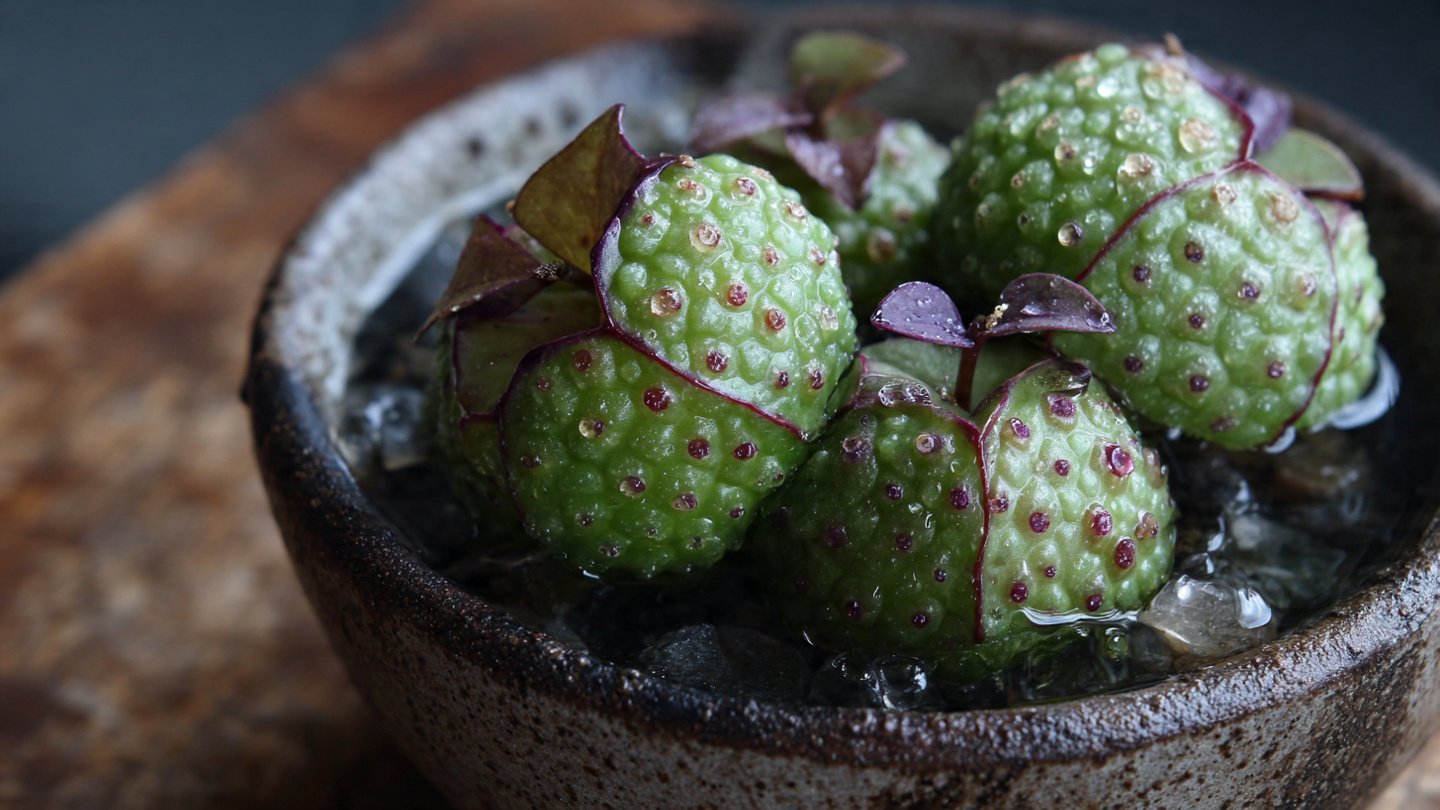
When it comes to indoor plants, the Hoya Compacta, popularly known as the Hindu Rope Plant, stands out not just for its vibrant green leaves but also for its unique and fascinating texture. This attractive succulent has carved a niche for itself within the growing community of indoor gardening enthusiasts. Let’s explore why the Hoya Compacta is considered the most unique textured plant in your living space.
1. Unique Leaf Structure
The leaves of the Hoya Compacta are one of its most striking features. Each leaf has a waxy, glossy exterior that reflects light beautifully, creating a stunning visual display. The leaves are thick and fleshy, similar to other succulents, which not only adds to its aesthetic appeal but also allows the plant to conserve water effectively. The twisting and overlapping arrangement of the leaves gives this plant a distinct shape, contributing to its unique textural characteristics.
2. Variegation Variability
Hoya Compacta comes in various cultivars, and some showcase beautiful variegation. This means that leaves may exhibit different shades of green or even cream and yellow markings, creating a multi-dimensional texture that’s captivating to look at. These subtle variations in color enhance the plant’s overall appeal, making it a perfect conversation starter in any room.
3. The Roping Effect
As the Hoya Compacta matures, it develops long, trailing vines that can gracefully cascade down from hanging planters or shelves. This roping effect adds another layer of texture to your room, offering a dynamic visual experience. The way these vines twist and turn creates a sense of movement within the plant, providing an element of liveliness to your space.
4. Low Maintenance with High Impact
Another unique aspect of the Hoya Compacta is its low maintenance requirement paired with high aesthetic impact. It thrives in indirect light and can tolerate neglect, making it suitable for both beginner and experienced plant parents. This adaptability ensures that it maintains its distinctive texture and appearance without requiring extensive care, thereby making it an ideal choice for busy lifestyles.
5. Aromatic Blooms
When nurtured properly, the Hoya Compacta produces clusters of star-shaped flowers that are not only visually stunning but also emit a delightful fragrance. The flowers add a different, softer texture to the plant—a contrast to its already unique foliage. When in bloom, the plant becomes even more eye-catching, allowing it to eclipse its non-flowering peers.
The Perfect Fit for Any Room
With its intriguing texture, the Hoya Compacta can fit seamlessly into various design styles. Whether you prefer a modern, minimalist aesthetic or a bohemian vibe filled with eclectic pieces, this plant complements them all. It can be placed on windowsills, shelves, or as a part of a vertical garden, providing versatility in placement while enhancing the overall texture of your room.
Creating a Unique Textural Experience
Integrating the Hoya Compacta into your living space can create a unique textural experience. By placing it among other plants or decor items, you can highlight its distinct characteristics. Pairing it with plants that have contrasting textures—such as spiky cacti or soft-leaved ferns—can create an engaging visual juxtaposition, making your room even more inviting.
Sustainability and Eco-Friendliness
In today’s world, many individuals are focusing on sustainability and eco-friendliness in their decision-making, including home decor. The Hoya Compacta, being a hardy plant, contributes positively to indoor air quality by absorbing toxins and releasing oxygen. By incorporating this unique plant into your home, you’re not only enhancing its aesthetic but also supporting a healthier environment.
Conclusion
The Hoya Compacta is not just another indoor plant; it is a remarkable specimen that brings unique texture and character to any room. Its distinct leaf structure, attractive variegation, roping effect, low maintenance, and aromatic blooms make it stand out as perhaps the most unique textured plant you can own. By choosing the Hoya Compacta, you not only enrich your living space aesthetically but also contribute positively to your environment.
FAQs
1. How much light do Hoya Compacta plants need?
Hoya Compacta thrives best in bright, indirect light. Direct sunlight can scorch the leaves, so it’s best to find a spot where it receives filtered sunlight.
2. How often should I water my Hoya Compacta?
Water your Hoya Compacta when the top inch of the soil feels dry. They prefer to be on the drier side, so it’s important not to overwater them.
3. Does Hoya Compacta need fertilizer?
Yes, during the growing season (spring and summer), you can use a balanced liquid fertilizer every month to provide the necessary nutrients for healthy growth and flowering.
4. Is Hoya Compacta toxic to pets?
Hoya Compacta is considered non-toxic to pets; however, it’s always a good idea to monitor your pets around any houseplants, as individual reactions can vary.
5. How can I encourage my Hoya Compacta to bloom?
To encourage blooming, ensure your plant is mature (at least 2-3 years old), provide it with enough light, and avoid excessive fertilization. Be patient, as not all Hoyas will bloom at the same time.