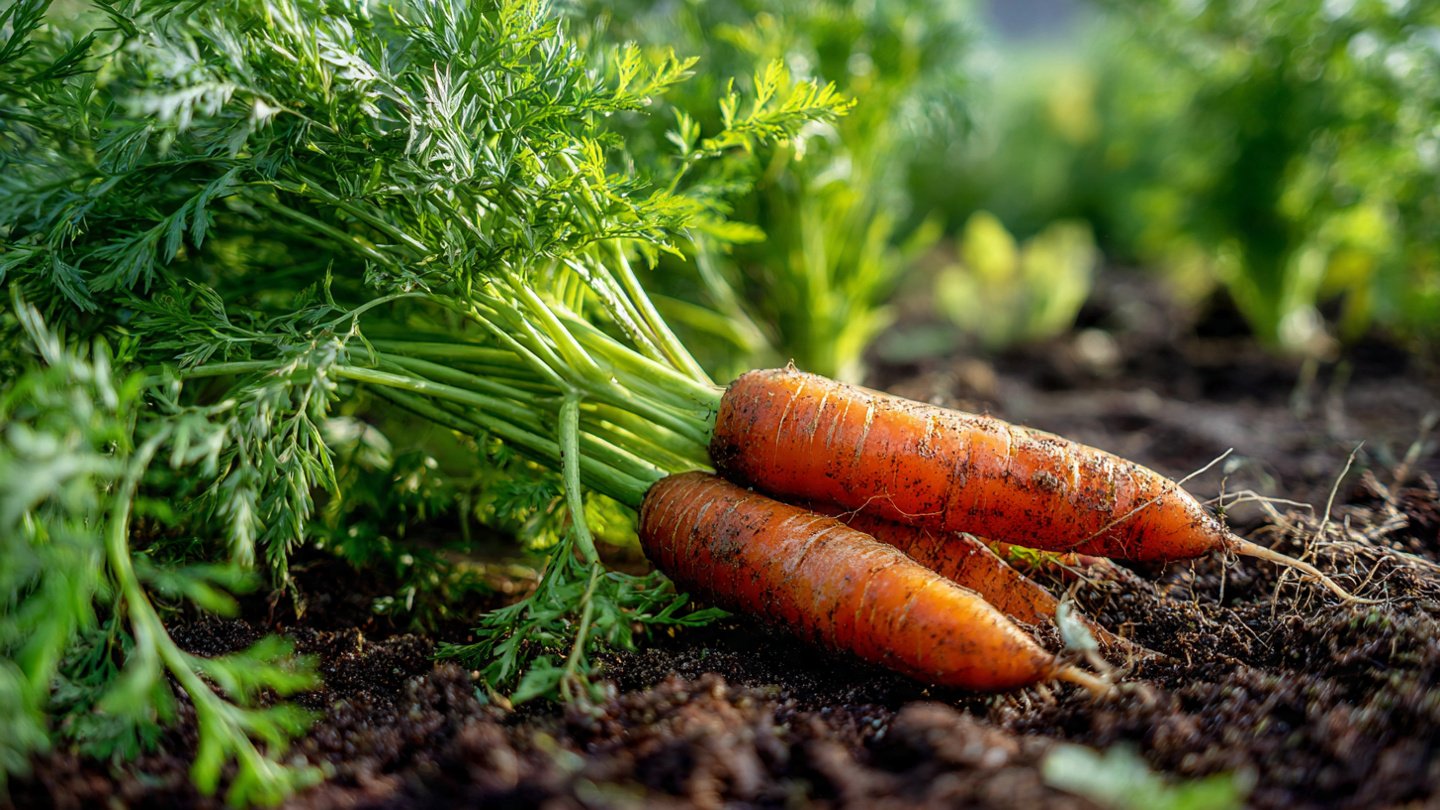
Growing carrots in heavy clay soil may seem daunting, but with the right techniques and a little patience, you can achieve a bountiful crop of crunchy, delicious carrots. This article will guide you through effective strategies to cultivate carrots in challenging soil conditions, focusing on soil preparation, carrot varieties, planting techniques, watering, pest management, and more designed to make the process effortless yet successful.
Understanding Heavy Clay Soil
Heavy clay soil is typically dense, compacted, and often retains water. While it can be fertile, its structure makes it less than ideal for growing taproot vegetables like carrots, which thrive in well-drained, looser soil. Carrots require space to grow without hindrance, and heavy clay can lead to misshapen or stunted roots.
Characteristics of Clay Soil
- Texture: Clay soil contains small, tightly packed particles that hold moisture effectively but also limit drainage.
- Compaction: Compacted soil reduces aeration and root growth, restricting the carrot’s ability to grow straight and long.
- Nutrient-Rich: Clay soil can be high in nutrients, making it fertile, but the poor structure can hinder root development.
Soil Preparation
Preparing your heavy clay soil is the first and most crucial step to growing carrots successfully.
1. Test Your Soil
Before making any improvements, test your soil pH. Carrots prefer a pH of 6.0 to 6.8. Testing kits are available at garden centers or online and can help you find out whether you need to amend your soil.
2. Amend the Soil
Organic Matter
Incorporating organic matter is key to improving clay soil structure. Add compost, well-rotted manure, leaf mold, or other organic materials to the soil. This increases aeration and drainage:
- Compost: Improves soil structure and adds nutrients.
- Manure: Adds nitrogen and enhances microbial activity.
- Leaf Mold: Increases soil moisture retention while promoting drainage.
Aim for a mixture of at least 25-30% organic matter in your planting area. Work it into the top 12 to 18 inches of soil.
Sand for Drainage
If your soil is extremely dense, adding sand can help. However, proceed with caution; too much sand can create a cement-like mixture with clay. A good rule of thumb is to mix in about 10-20% coarse sand.
Choosing the Right Carrot Varieties
When dealing with heavy clay soil, selecting the right carrot varieties is critical. Certain varieties are bred to be more tolerant of less-than-ideal growing conditions:
Recommended Varieties:
- Nantes: Smooth, cylindrical roots that grow well in various soil conditions.
- Chantenay: Shorter, stump-shaped carrots that are less likely to be deformed in compacted soils.
- Imperator: Longer varieties that tolerate heavier soils but may need more care when grown in clay.
Shorter Varieties
Opting for shorter carrot varieties can also mitigate issues with compacted soil and encourage better growth despite the challenging conditions.
Planting Techniques
Proper planting techniques can significantly affect the success of your carrot crop.
1. Timing
Carrots are typically cool-season crops that are best planted in early spring or late summer, depending on your climate. Ensure that the soil temperature is at least 50°F (10°C) for optimal germination.
2. Seed Preparation
Consider soaking carrot seeds in water for a few hours before planting. This can help speed up germination. Carrot seeds are tiny and can be sown in rows, so consider mixing them with sand to facilitate even distribution.
3. Sowing
Plant seeds approximately 1/4 to 1/2 inch deep and spaced 2-4 inches apart in rows that are 12-18 inches apart. Cover the seeds lightly with soil and water gently to avoid displacing them.
4. Thinning
Once seedlings have emerged and are about 1-2 inches tall, thin them to 2-4 inches apart. This ensures that each carrot has enough room to develop properly without competing for nutrients or space.
Watering Techniques
Watering is crucial for the growth of carrots, particularly in heavy clay soil.
1. Consistent Moisture
Carrots need consistent moisture, especially during the germination period. Consider the following:
- Water deeply but infrequently to encourage deep root growth.
- Use a soaker hose or drip irrigation system to minimize water pooling, which can lead to rot.
- Mulch around the plants with straw or wood chips to help retain soil moisture and regulate temperature.
2. Avoid Overwatering
Be cautious, as heavy clay soil can retain water. Overwatering can cause root rot and diminish oxygen availability. Check the soil moisture regularly, especially during dry spells.
Pest Management
Despite the challenges posed by soil, pests can be managed effectively for a healthy carrot harvest.
1. Common Pests
Be aware of pests like carrot flies, aphids, and nematodes. Each poses unique risks to your carrot crops.
2. Prevention Techniques
While there are various methods to manage pests organically, here are some effective tactics:
- Row Covers: Using floating row covers can help keep pests away from young seedlings.
- Companion Planting: Planting carrots alongside onions or garlic can help deter pests.
- Crop Rotation: Rotating your carrot planting location yearly can help prevent pests and diseases from recurring.
Harvesting Techniques
Carrots are typically ready for harvest about 60-80 days after planting, depending on the variety.
Signs of Maturity
- Size: Check the diameter of the carrots at the soil surface. Most varieties are ready when they are about 1/2 to 1 inch in diameter.
- Color: Bright, vibrant colors usually indicate a ripe carrot.
Harvesting Methods
When harvesting, grasp the foliage close to the ground and pull gently. If the soil is particularly compacted, use a garden fork to loosen the soil around the carrots before pulling them up. Take care not to damage the roots in the process.
Storing Your Carrots
Once harvested, proper storage will ensure your carrots remain crunchy and delicious.
1. Cleaning
Remove any excess soil but avoid washing them until you are ready to use them. This prevents moisture accumulation, which can lead to rot.
2. Refrigeration
Store carrots in a cool, dark place or in the refrigerator. A perforated plastic bag can help provide adequate humidity without leading to mold.
3. Long-term Storage
Carrots can also be stored for longer durations by freezing, pickling, or canning. Blanch them before freezing to preserve texture and flavor.
Conclusion
Growing crunchy carrots in heavy clay soil may seem challenging, but with the correct practices—soil preparation, choosing the right varieties, effective watering, and pest management—you can cultivate a successful crop. This journey requires patience and observation, but the reward of harvesting and enjoying your crunchy, homegrown carrots makes the effort worthwhile. With these strategies, you’ll be well on your way to turning your heavy clay soil into a fertile ground for vibrant, healthy carrots. Happy gardening!