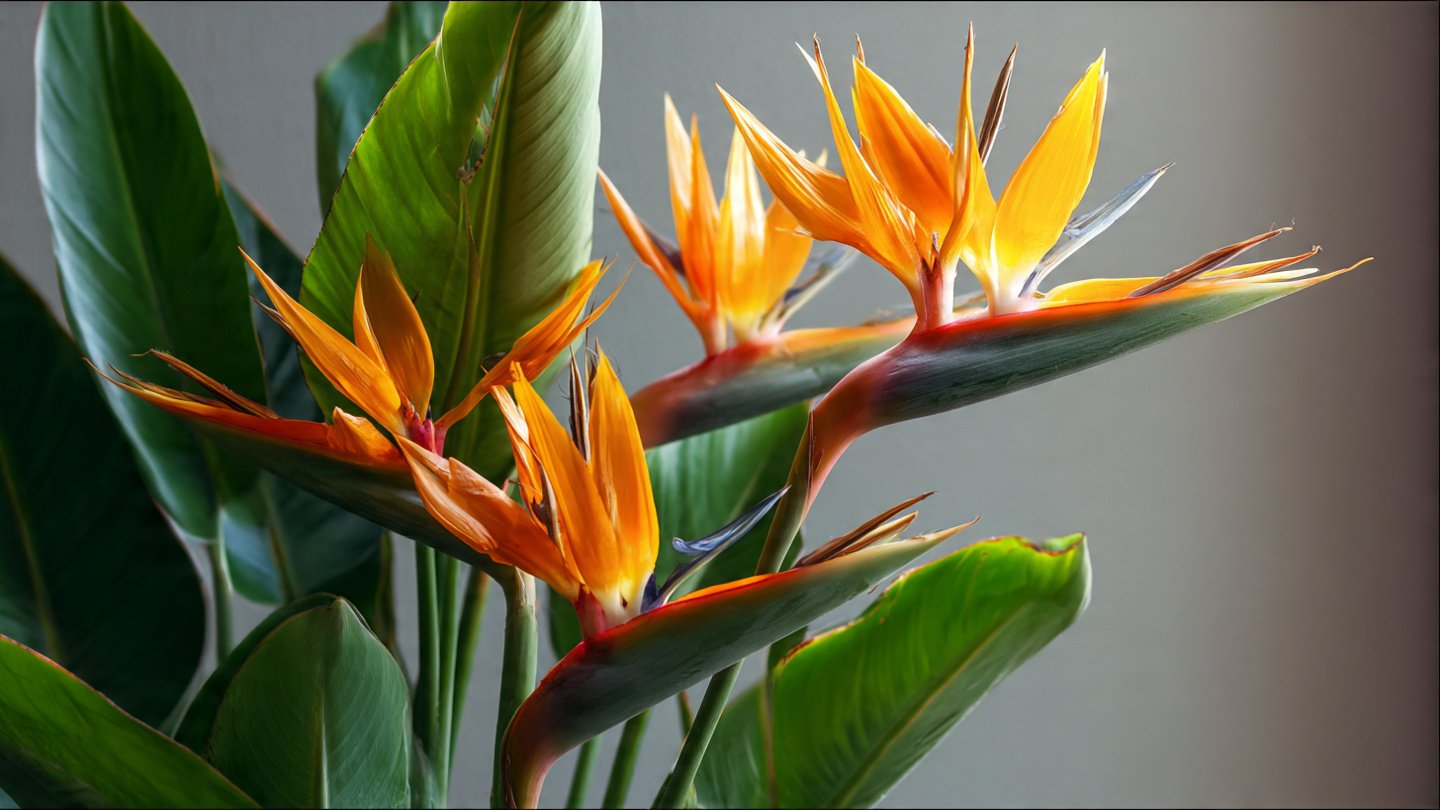
The Bird of Paradise plant, scientifically known as Strelitzia reginae, is celebrated for its stunning, vibrant flowers that resemble the plumage of exotic birds. Growing this magnificent plant indoors can be a rewarding challenge if you provide the right conditions and care. Here’s a comprehensive guide on how to cultivate a thriving, massive Bird of Paradise indoors.
Understanding the Bird of Paradise
Originating from South Africa, the Bird of Paradise thrives in warm, tropical climates. It’s important to replicate these conditions as closely as possible indoors. This plant typically grows tall, reaching heights of 5 to 6 feet, making it a striking feature in any space. The leaves are large, paddle-shaped, and can spread out significantly, which is why they need ample space to grow.
Choosing the Right Pot and Soil
One of the first steps to successfully growing a Bird of Paradise indoors is selecting the appropriate pot and soil.
Pot Selection
Choose a pot that is large enough to accommodate the plant’s root system for optimal growth. A pot with drainage holes is crucial to prevent waterlogging, which can cause root rot. Clay or ceramic pots are great options as they allow for air exchange while controlling moisture levels.
Soil Requirements
Bird of Paradise plants prefer well-draining, nutrient-rich soil. A high-quality potting mix made from peat moss, perlite, and compost is advisable. This combination allows moisture retention while ensuring sufficient drainage.
Lighting Conditions
Proper lighting is essential for the healthy growth of the Bird of Paradise. This plant thrives in bright, indirect sunlight. Placing it near a south or west-facing window is ideal. However, avoid direct sunlight as it can scorch the leaves. If natural light is limited, consider supplementing with grow lights, especially during the winter months.
Watering Techniques
Watering is one of the most critical aspects of caring for your indoor Bird of Paradise. Here are some tips:
Frequency
Water your plant deeply, allowing the top 2-3 inches of soil to dry out between waterings. Typically, this means watering every 1-2 weeks; however, this may vary based on the humidity and temperature of your home.
Water Quality
Use room temperature, filtered water whenever possible, as this can prevent shocking the roots. Avoid overwatering, as this can cause root rot and other issues.
Humidity Requirements
Bird of Paradise plants thrive in high humidity environments. If your indoor air is dry, especially during winter, consider the following:
Humidity Solutions
• Use a humidity tray: Fill a shallow tray with water and pebbles, placing the pot on top (not touching the water). This will help increase humidity around the plant.
• Mist your plant: Lightly misting the leaves occasionally can help maintain humidity levels.
• Group plants: Surrounding the Bird of Paradise with other houseplants can create a mini-humid environment.
Fertilizing Your Bird of Paradise
To support vigorous growth and flowering, fertilizer is essential. Here’s how to fertilize your Bird of Paradise:
Type of Fertilizer
Use a balanced, water-soluble fertilizer (e.g., 20-20-20) during the growing season (spring and summer). Dilute to half strength and apply every 4-6 weeks.
Fall and Winter Care
During the fall and winter months, reduce fertilizing as the plant enters dormancy. Resume feeding in early spring when new growth appears.
Pruning and Maintenance
Regular maintenance is crucial for keeping your Bird of Paradise healthy. Here are some key tips:
Pruning
Remove any dead or damaged leaves to promote new growth and prevent pests. Always use clean, sharp scissors or shears to avoid introducing disease.
Repotting
Consider repotting every 2-3 years or when the roots become pot-bound. Choose a larger pot and fresh soil to encourage continued growth.
Dealing with Pests and Problems
Indoor plants can be susceptible to pests like spider mites, aphids, and mealybugs. Regularly inspect your Bird of Paradise for any signs of infestation. Here’s how to deal with common problems:
Pest Control
• Insecticidal soap: This can effectively eliminate pests without harming the plant. Be sure to thoroughly coat the foliage and stems.
• Neem oil: Another organic solution, neem oil is effective against both pests and fungal issues.
Leaf Issues
Yellowing leaves may indicate overwatering, while browning tips can be a sign of underwatering or low humidity. Adjust your care routine accordingly.
Encouraging Blooms
Blooming can take a few years, but with patience and proper care, your Bird of Paradise will reward you with stunning flowers. Here’s how to promote blooming:
Age and Patience
Typically, the plant needs to be at least 4-5 years old to bloom. Ensure that it has adequate space and nutrients to reach maturity.
Temperature and Light
Maintain a stable temperature between 65-70°F (18-21°C) for optimal blooming. Bright light is also crucial, as insufficient light can hinder flowering.
Conclusion
Growing a massive Bird of Paradise indoors is achievable with a little dedication and care. By providing the right pot, soil, light, and humidity conditions, you can create an environment where this beautiful plant can thrive. Regular maintenance, proper feeding, and pest control will ensure that your Bird of Paradise remains healthy and vibrant, ultimately rewarding you with its stunning blooms and lush foliage.
FAQs
1. How often should I water my Bird of Paradise?
Water every 1-2 weeks, allowing the top 2-3 inches of soil to dry out between waterings.
2. Can I propagate my Bird of Paradise?
Yes, you can propagate by division during repotting. Ensure each division has enough roots and leaves.
3. Why are the leaves turning yellow?
Yellow leaves may indicate overwatering or insufficient light. Check both conditions and adjust accordingly.
4. How long does it take for the Bird of Paradise to bloom?
It usually takes 4-5 years for a Bird of Paradise to bloom when provided with proper care.