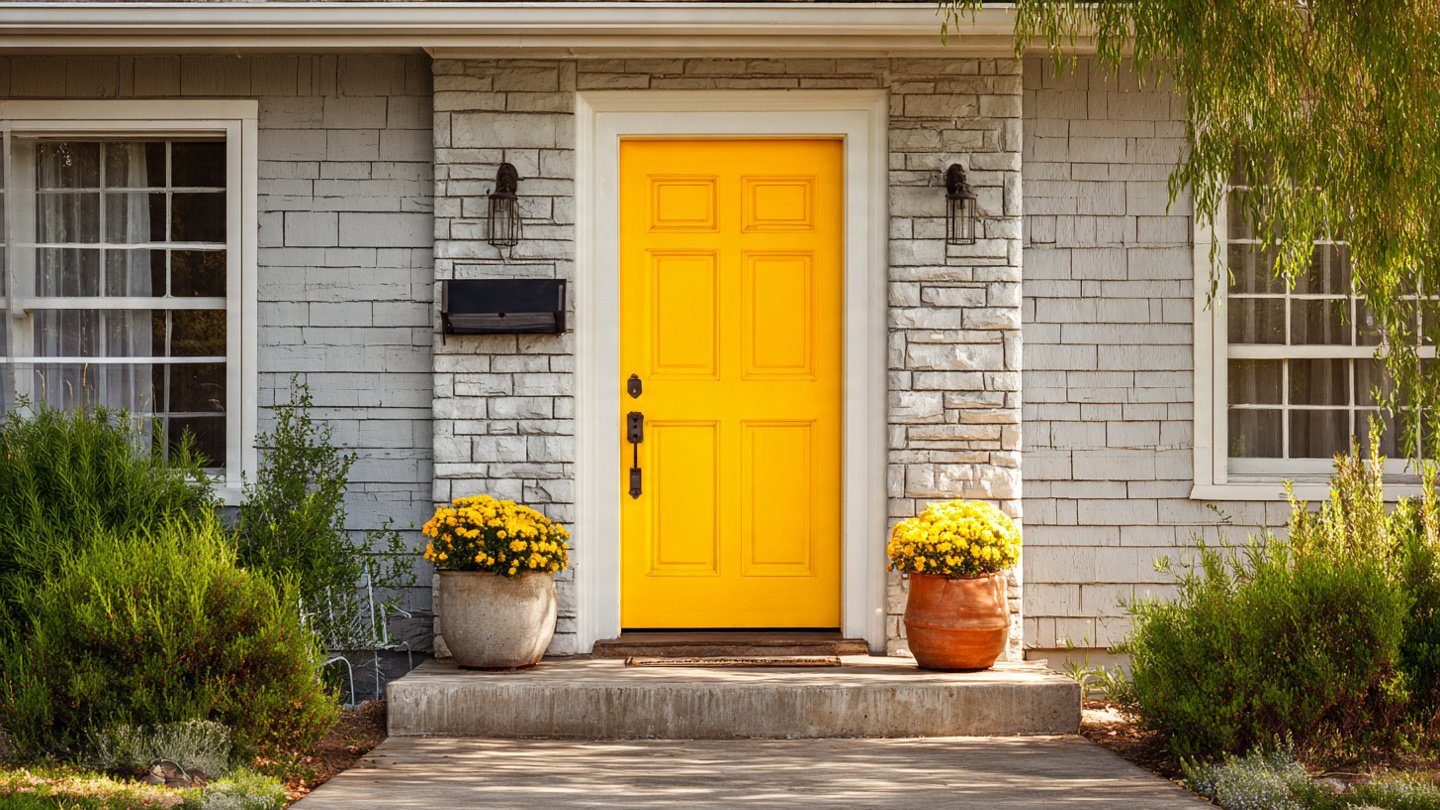
When it comes to curb appeal, many homeowners focus on landscaping, exterior paint colors, or even the type of siding they choose. However, one often overlooked aspect is the color of the front door. The front door not only serves as an entry point but is also a focal point that sets the tone for your home. Could this seemingly trivial detail be affecting your home’s value? The answer lies in psychology, aesthetics, and even market trends.
The Psychology of Color
Color has a tremendous impact on human emotions and perceptions. Different colors evoke various feelings and can influence decisions. For example, blue is often associated with trust and tranquility, while red signifies passion and energy. When it comes to real estate, the psychology of color plays a significant role in how potential buyers perceive your home. A vibrant red door might attract attention, but it may also turn away buyers looking for something more subdued.
The Aesthetics of Front Door Colors
While every homeowner has their unique taste, it’s essential to consider how your door’s color fits within the overall aesthetics of your home and neighborhood. A bright yellow door may be striking and memorable, yet it might not blend well with a traditional brick facade. A harmonious color scheme can enhance your home’s charm, whereas a door that appears out of place might deter buyers who are looking for cohesion and elegance.
Market Trends and Neighborhood Norms
The value of your home can greatly be influenced by the surrounding neighborhood. If most of your neighbors have neutral-colored doors (white, gray, black), a brightly painted door might not only stand out but could also be deemed unattractive by potential buyers. Real estate experts suggest that when preparing to sell, homeowners should consider the prevailing trends in their area. Sometimes a fresh coat of paint in a timeless hue can make all the difference.
Popular Front Door Colors
Many homeowners might wonder which colors are considered ‘safe’ versus which might be ‘risky.’ Here is a breakdown of popular front door colors and their potential impact on your home’s value:
- White: Represents purity and simplicity. It’s a neutral choice that appeals to most buyers.
- Black: Offers a modern and sophisticated look. However, it may absorb heat and could be less favorable in warmer climates.
- Gray: A versatile and trendy option that pairs well with many architectural styles.
- Red: Often associated with good luck, but the shade matters. Brighter shades may turn some buyers away.
- Pastel Colors: Soft hues like mint green or pale blue can evoke charm, but they may not appeal to everyone.
Impact on Home Valuation
A front door color that doesn’t resonate well with buyers can indeed hurt your home’s value. Market research has shown that homes with doors painted in popular or market-friendly colors are perceived as more desirable. This perception can lead to quicker sales and higher offers. Conversely, a door that feels out of place may lead to reduced interest in your home, thereby lowering potential resale value.
Enhancing Your Home’s Value Through Color
If you’re contemplating a change or are in the process of selling, consider the following tips:
- Research Local Trends: Spend some time walking around your neighborhood to see the types of door colors that attract attention.
- Choose Timeless Hues: Opt for colors that are popular and will stand the test of time.
- Consider Finishing Touches: A well-maintained front door, regardless of its color, will always look more inviting.
Maintenance Matters
It’s not just about the color; the condition of your front door plays a significant role in how it’s perceived. A chipped or peeling door can detract from even the most beautiful color. Regular maintenance, such as repainting and varnishing, not only protects your door but also keeps it looking fresh and appealing.
Trends in Door Styles
While color is vital, the style of the door also has a substantial impact on its overall appeal. Increased interest in contemporary design has led many homeowners to choose sleek, minimalistic door styles. However, classic designs remain popular as well, especially in neighborhoods with historical significance.
Conclusion
Your front door color can indeed influence your home’s value and marketability. The psychology of color, aesthetics, and market trends all play a role in how potential buyers perceive your property. By choosing a color that aligns with local norms and maintaining your door’s condition, you can enhance curb appeal and potentially increase your home’s value. Always remember that first impressions matter; your front door is the gateway to your home and should reflect both your personal style and the timeless appeal that resonates with buyers.
FAQs
1. Does changing the front door color really affect home value?
Yes, it can. Colors that are popular in your neighborhood can enhance curb appeal and attract buyers, while uncommon or excessively bold colors may detract from your home’s value.
2. What are the best colors to paint my front door for resale?
Colors like white, gray, and soft hues have shown to be favorable in many markets. Consider researching your local housing market for color trends.
3. How often should I repaint my front door?
It’s recommended to repaint your front door every few years to keep it looking fresh, especially if it’s subjected to harsh weather conditions.
4. Can a door style impact the value as much as color?
Absolutely. A stylish door can elevate your home’s appearance and value, just as poorly designed or outdated styles can detract from it.
5. Should I hire a professional for painting my front door?
If you want a flawless finish that can enhance your home’s appeal, hiring a professional might be worth it. However, a DIY job can also be successful with the right preparation.