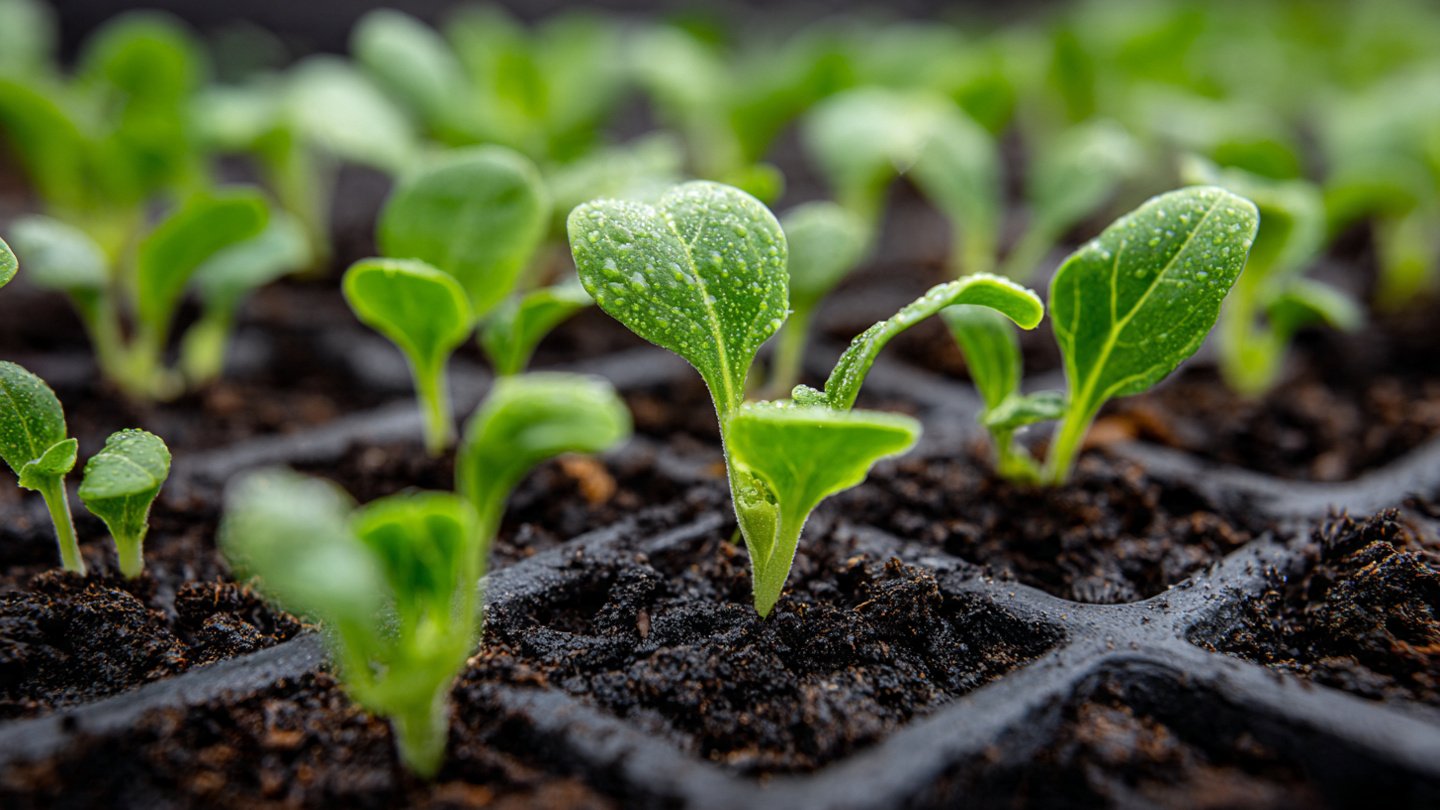
Starting a garden or cultivating plants from seeds can be an incredibly rewarding experience. However, it’s disheartening to know that around 90% of new seedlings fail to survive to maturity. Understanding the reasons behind this staggering statistic is crucial for aspiring gardeners and horticulturists. One shocking mistake is often at the center of these failures: how seedlings are cared for in their early stages of growth.
The Seedling Stage: A Critical Phase
The seedling stage is one of the most vulnerable times in a plant’s life cycle. During this phase, seedlings are particularly susceptible to various factors that can hinder their growth. These include environmental stress, insufficient nutrients, and disease, but the most crucial aspect often overlooked is the proper care that seedlings need as they transition from seed to sapling.
Common Mistakes Leading to Seedling Failure
Several common mistakes contribute to the high mortality rate of seedlings. Here, we explore these errors and shed light on how you can avoid them.
1. Overwatering or Underwatering
Watering is perhaps the most critical aspect of seedling care. New gardeners often struggle to find the right balance. Overwatering can lead to root rot, while underwatering can deprive seedlings of the moisture they require to thrive.
- Signs of Overwatering: Yellowing leaves, wilting, or mushy roots.
- Signs of Underwatering: Dry soil, crispy leaves, or stunted growth.
It’s essential to check the moisture level regularly. A good rule of thumb is to allow the top inch of soil to dry out between waterings. Seedlings usually prefer consistently moist but not waterlogged soil.
2. Insufficient Light
Light is another crucial component for seedling growth. Most seedlings require 12 to 16 hours of light daily for optimal photosynthesis. Insufficient light can lead to leggy, weak seedlings that are unable to develop properly.
Consider using grow lights if you’re starting seeds indoors. Placing seedlings in a sunny windowsill may not provide enough light, especially during the shorter days of winter.
3. Poor Soil Quality
Quality soil is fundamental for seedling success. Using low-quality potting mix can compromise seedlings’ ability to absorb the necessary nutrients. A nutrient-rich, well-draining potting mix is ideal.
When planting seeds, ensure you use a seed starting mix that is designed specifically for young plants, providing the right balance of aeration and moisture retention while also being free of pathogens.
4. Inappropriate Temperature
Temperature plays a critical role in seedling development. Most seedlings thrive between 65°F and 75°F. Extremes in temperature—whether too hot or too cold—can hinder growth and, in severe cases, lead to seedling death.
Use heat mats for warmth if you’re starting seeds indoors in a cooler environment. Conversely, ensure proper ventilation and cooling systems if your growing area tends to overheat.
5. Neglecting Fertilization
While seedlings rely on the nutrients stored in the seed for their initial growth, they will eventually require additional nutrients to continue thriving. Over-fertilizing can harm delicate seedlings, while under-fertilizing can stunt their growth.
- Fertilization Tips: Begin fertilizing seedlings with a diluted, balanced fertilizer once they have developed their first set of true leaves.
6. Pests and Diseases
Pests and diseases can decimate seedlings if not managed properly. Common pests include aphids, spider mites, and fungus gnats. These pests can inhibit growth by damaging young leaves and stressing the plants.
Implementing preventive measures such as keeping the growing area clean and using organic pest controls can help protect your seedlings.
7. Transplant Shock
Transplanting seedlings from indoors to the outdoors or from one container to another can cause stress, known as transplant shock. This traumatic experience can lead to wilting, stunted growth, or even death if not managed properly.
To mitigate transplant shock, harden off seedlings by gradually exposing them to outdoor conditions before planting them in their final location. This practice helps them acclimate to their new environment.
How to Enhance Seedling Survival
Now that we’ve identified common mistakes leading to seedling failure, let’s look at effective strategies for boosting seedling survival rates.
- Maintain Ideal Conditions: Monitor moisture, temperature, and light to provide an optimal growing environment.
- Use Appropriate Soil: Invest in quality seed starting mix that offers the right balance of nutrients and drainage.
- Fertilize Wisely: Begin with diluted fertilizer and gradually increase concentration as seedlings mature.
- Practice Integrated Pest Management: Use preventive methods to deter pests and manage diseases effectively.
- Harden Off Carefully: Gradually acclimate seedlings to outdoor conditions before transplanting.
Conclusion
In conclusion, the failure of 90% of new seedlings is primarily rooted in the care they receive during their early growth stages. By understanding the common mistakes—such as overwatering, insufficient light, poor soil quality, inappropriate temperature, neglecting fertilization, pests and diseases, and transplant shock—you can significantly improve the odds of your seedlings surviving to maturity. Taking the time to implement best practices in seedling care will not only increase your success rate but also enhance your gardening experience, ultimately leading to a flourishing garden.
FAQs
1. What is the best way to water seedlings?
Water seedlings when the top inch of soil feels dry. Use a gentle spray or water from below to avoid disturbing the delicate roots.
2. How much light do seedlings need?
Seedlings typically require 12 to 16 hours of light daily for healthy growth. Consider using grow lights if natural light is insufficient.
3. When should I fertilize my seedlings?
Fertilize your seedlings once they develop their first true leaves, using a diluted, balanced fertilizer.
4. Why do my seedlings look leggy?
Leggy seedlings often indicate insufficient light. They are stretching towards the light source, so ensure they receive adequate light.
5. How can I prevent pest infestations on my seedlings?
Keep your growing area clean, check plants regularly for signs of pests, and use organic pest control methods as needed, such as neem oil or insecticidal soap.