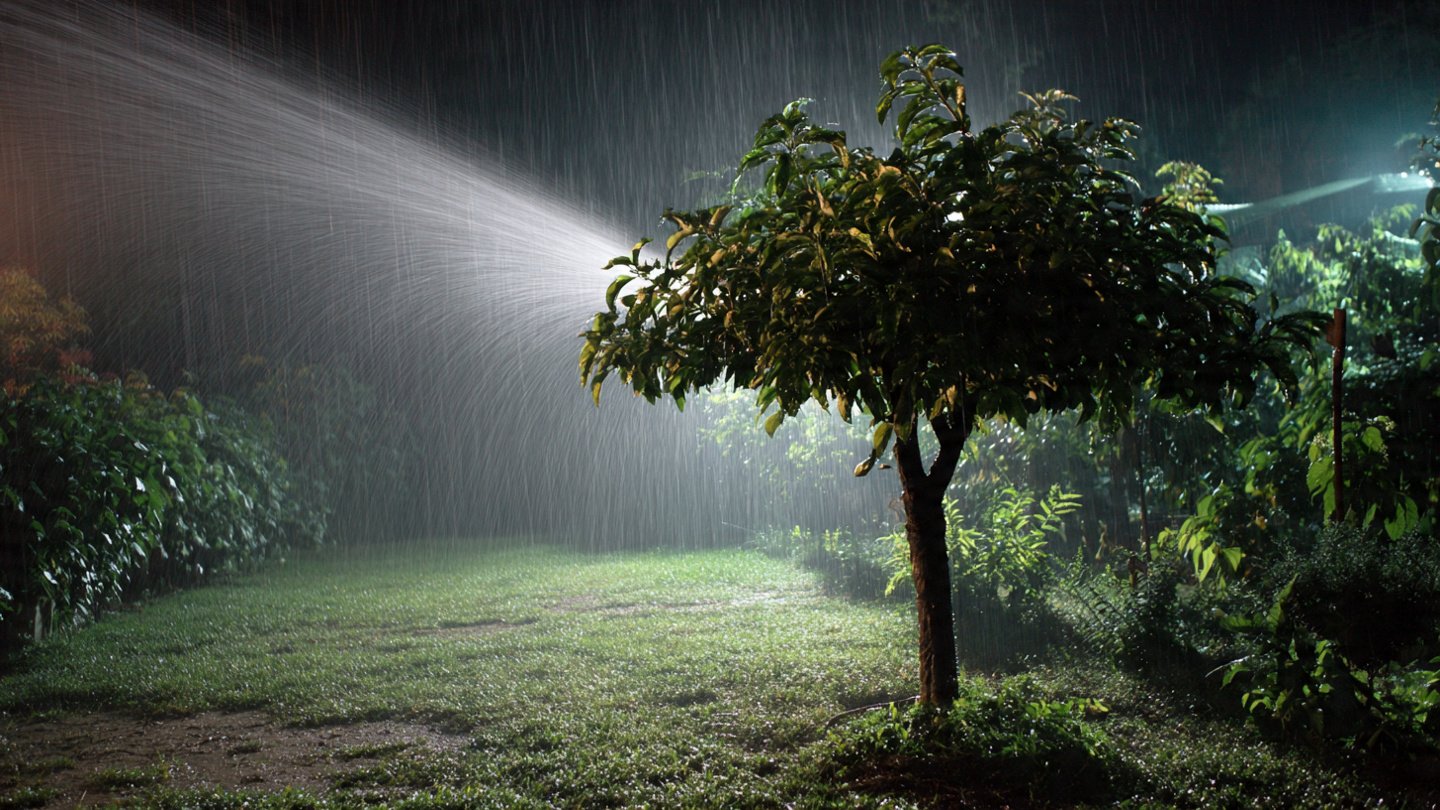
Growing fruit trees can be a rewarding endeavor, but the success of your harvest significantly depends on your watering habits. One common practice among gardeners is watering in the evening or at night. While it may seem logical to avoid the heat of the day, watering fruit trees at night can introduce several risks and complications that can be detrimental to their health and productivity. In this article, we will explore why watering your fruit trees during the night may not be the best practice.
Understanding the Needs of Fruit Trees
Before diving into the risks associated with nighttime watering, it is essential to understand fruit trees’ basic water needs. Water is vital for:
- Photosynthesis: The process through which trees convert sunlight into energy.
- Nutrient Transport: Water helps dissolve nutrients in the soil, making them accessible to the tree.
- Healthy Growth: Adequate water promotes root development and overall tree vigor.
Consequently, maintaining a proper watering schedule is critical for the growth and productivity of fruit trees.
Optimal Watering Times
Many experts recommend watering in the early morning or late afternoon for several reasons:
- Evaporation Rates: During the cooler parts of the day, less water is lost to evaporation, allowing more moisture to penetrate the soil.
- Fungal Growth Prevention: Watering in the morning enables trees to dry out during the day, reducing the risk of fungal diseases.
- Water Absorption Efficiency: Trees uptake water more effectively during the day when they are actively transpiring.
With these considerations in mind, watering fruit trees at night poses unique challenges that can lead to problems.
Risks of Watering at Night
1. Increased Risk of Fungal Diseases
One of the most significant hazards of watering fruit trees at night is the increased likelihood of fungal infections. When trees remain wet overnight, moisture accumulates on their leaves, stems, and fruit, creating a perfect breeding ground for fungal spores. Diseases such as powdery mildew, leaf spot, and root rot can quickly proliferate under these conditions, compromising the tree’s health and potentially leading to fruit loss.
2. Poor Soil Aeration
Overnight watering can also lead to waterlogged soil, particularly if drainage is poor. Saturated soil deprives roots of oxygen, which is crucial for healthy root growth and overall plant health. Without adequate aeration, roots can become damaged, leading to stunted growth and reduced fruit production. The saturation of soil at night not only hampers the oxygen exchange but can also leach nutrients away, making it more challenging for the tree to absorb the necessary elements for growth.
3. Increased Pest Activity
Watering at night can inadvertently encourage pest activity. Many pests, including certain beetles, snails, and slugs, are more active during the cooler, darker hours. These pests thrive in moist environments, and nighttime watering can create conditions conducive to their presence. For fruit trees, increased pest populations can lead to significant damage, affecting both the quantity and quality of the harvest.
4. Reduced Effectiveness of Watering
When you water at night, the water may not penetrate the soil as effectively as it does during daylight. The cooler temperatures can cause the water to linger at the soil surface, leading to inefficient absorption by the roots. Consequently, the tree may not receive the moisture it needs to thrive, leading to stress and reduced fruit yield.
5. Risk of Ice Formation
If you live in a region where temperatures drop at night, watering during this time can also increase the likelihood of ice formation on the leaves and branches of your fruit trees. Ice can cause physical damage to the plant, resulting in broken branches and compromised fruit development. This is particularly crucial in the spring when new buds are forming and are most vulnerable to cold temperatures and frost damage.
Analyzing Watering Techniques
When it comes to watering, gardeners often employ various techniques—each with its advantages and disadvantages. Understanding these can help you create a more effective watering schedule.
Drip Irrigation
Drip irrigation involves providing a slow, continuous supply of water directly to the roots of the trees. This method is efficient and reduces the risk of waterlogging since it allows soil moisture levels to remain consistent. However, it is essential to implement this system during the day to facilitate efficient water absorption.
Soaker Hoses
Soaker hoses are another effective tool for watering plants. They work by allowing water to seep out slowly over their entire length. Like drip irrigation, soaker hoses should be used during the day to prevent issues associated with nighttime watering.
Hand Watering
Many gardeners prefer hand watering with a hose or watering can, allowing them to directly control how much water each tree receives. This method is flexible and can be timed appropriately to avoid nighttime watering. Hand watering is particularly beneficial for young trees that require careful moisture management.
Best Practices for Watering Fruit Trees
To ensure the health and productivity of your fruit trees, it is vital to adopt effective watering practices:
Water Early in the Morning
As previously mentioned, early morning watering is ideal as it allows trees to absorb water efficiently while minimizing fungal risks. Aim to water between dawn and 10 a.m. for optimal results.
Monitor Soil Moisture
Regularly check the soil moisture levels to determine when and how much to water. Using a soil moisture gauge or simply sticking your finger into the soil can give you an idea of moisture levels. Ideally, the upper 2-3 inches of soil should dry out between watering sessions.
Mulch Your Trees
Applying mulch around the base of your fruit trees can help retain moisture in the soil while also regulating temperature. Organic mulches, such as straw or wood chips, can also improve soil structure and suppress weeds.
Fertilization Considerations
Fertilizing your fruit trees at the right time can enhance their nutrient uptake capabilities. However, be cautious when combining watering with fertilization. If you water too late in the evening and apply fertilizer, you risk leaching nutrients away with excess moisture.
Use Water Wisely
Efficient watering practices extend beyond timing. Consider using rainwater barrels to collect rainwater for irrigation, which is both sustainable and beneficial for your trees. Additionally, aim to water deeply and less frequently rather than offering shallow, frequent watering sessions.
Conclusion
While it may seem convenient to water your fruit trees at night, the associated risks often outweigh the benefits. From increased susceptibility to fungal diseases to pest invasions, nighttime watering can jeopardize your trees’ health and overall productivity. Adopting best practices such as early morning watering, monitoring soil moisture, and utilizing efficient irrigation techniques can make a tremendous difference in your fruit trees’ success.
By understanding the complexities of watering and the challenges posed by nighttime practices, you can foster healthier, more productive trees, ultimately leading to a robust and abundant harvest. The care you take in managing your watering schedule will undoubtedly pay off in the quality and quantity of fruit you enjoy each season. So remember, when it comes to your fruit trees, the light of day is your best ally.