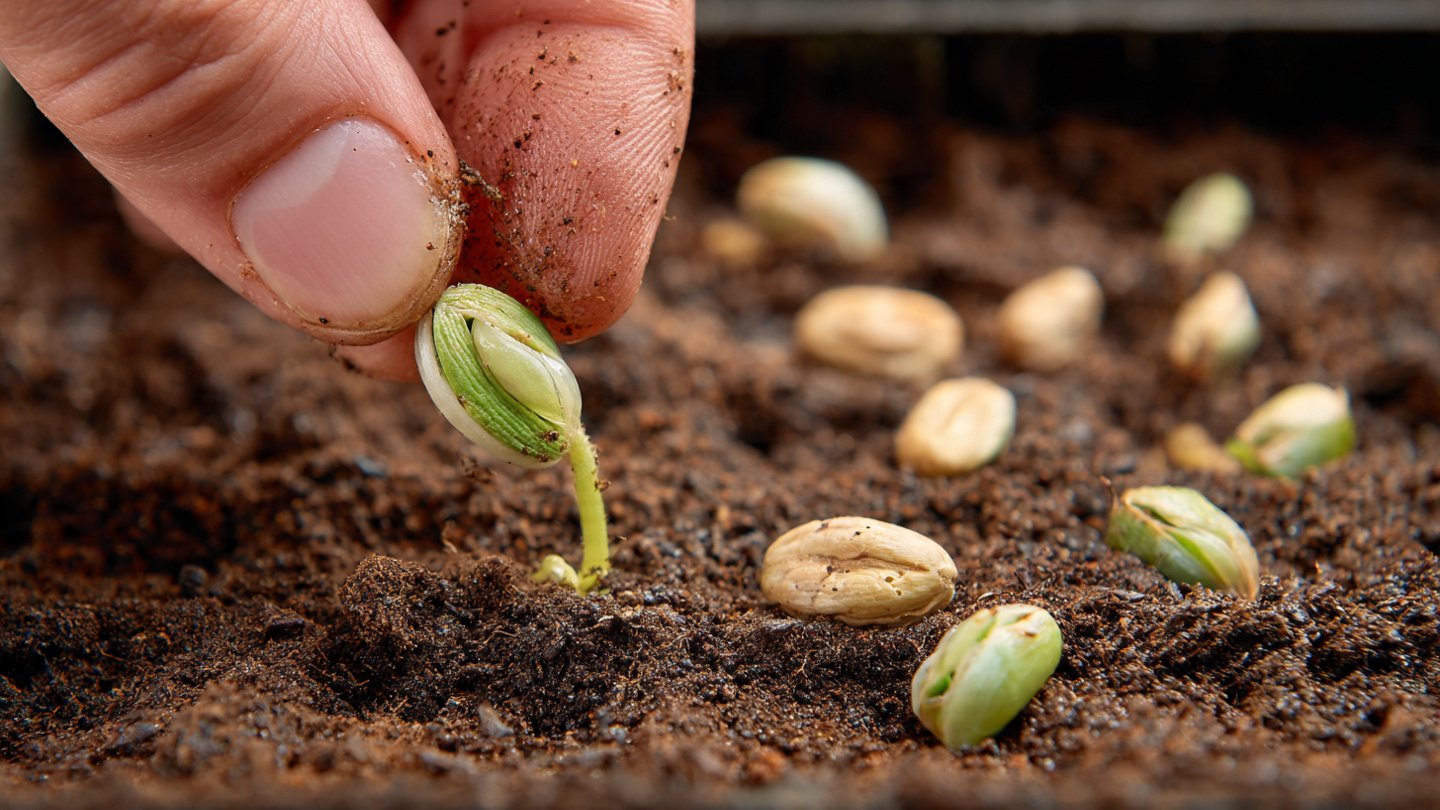
Starting a garden from seeds can be one of the most fulfilling experiences for both novice and experienced gardeners. However, nothing is more disheartening than anticipating a lush garden only to be met with barren soil. If your seeds aren’t germinating, several factors could be the culprit. Let’s explore common reasons for seed failure and actionable steps you can take to ensure successful germination.
Understanding Germination
Before diving into potential issues, it’s important to understand the germination process. Germination is the process through which seed envelopes break and initiate the growth of a new plant. For seeds to germinate effectively, they need the right conditions, which generally include moisture, warmth, oxygen, and sometimes light.
1. Quality of Seeds
The first issue to consider is the quality of the seeds you’re using.
Age of the Seeds
Seeds have a shelf life and germination rates decline over time. Always check the expiration dates on seed packets. Old seeds may have a reduced viability rate, which could lead to low germination.
Source of Seeds
Where you buy your seeds matters. Purchase seeds from reputable sources that store them in appropriate conditions. Seeds stored incorrectly can lose viability.
2. Soil Conditions
The soil you choose for planting your seeds can significantly impact germination.
Soil Type
Different seeds have different soil requirements. Some prefer sandy loam, while others thrive in heavy clay. Ensure that the soil type matches the needs of the seeds you planted.
Soil pH
Soil pH affects nutrient availability. Most seeds prefer a slightly acidic to neutral pH (6.0–7.0). Using a soil test kit can help determine if your soil’s pH is suitable.
Soil Temperature
Soil temperature is crucial for seed germination. Most seeds germinate best between 65°F and 75°F (18°C – 24°C). If the soil is too cold, the seeds may remain dormant. Using a soil thermometer can help you monitor this.
3. Moisture Levels
Water is a vital component in the germination process.
Overwatering vs. Underwatering
While seeds need moisture to swell and break through the seed coat, overly wet conditions can lead to rot. It’s essential to maintain a balance: the soil should be moist, not soggy. Use a spray bottle for gentle watering or consider a moisture meter for guidance.
Consistent Moisture
Seeds typically require consistent moisture until they sprout. A covering of plastic wrap or a humidity dome can help retain moisture. Just be cautious to remove it once you see seedlings to avoid fungal issues.
4. Light Requirements
Some seeds need light to germinate, while others require darkness.
Light Exposure
Check the seed packet for specific light requirements. If your seeds need light but are buried too deep, they won’t sprout. Conversely, if they need darkness and are placed on the surface, they may not germinate.
Artificial Light
If you’re starting seeds indoors, consider using grow lights. These can provide the consistent light needed for optimal growth. Be sure the lights are on for 12-16 hours a day for most seedlings.
5. Planting Depth
Not planting seeds at the correct depth is another common mistake.
Seed Size and Depth
Larger seeds like beans can be planted deeper than smaller seeds like lettuce. As a general rule, plant seeds at a depth of 2-3 times their diameter. Following specific seed packet instructions is essential for success.
6. Temperature Fluctuations
Sudden changes in temperature can stress seeds and disrupt germination.
Indoor vs. Outdoor Conditions
If you are starting seeds indoors but plan to transplant them outside, be sure to harden them off gradually. Sudden temperature changes can shock seedlings, preventing proper growth.
7. Pests and Diseases
Pests and diseases can also hinder seed germination.
Diseased Seeds
Even high-quality seeds can carry diseases. When in doubt, consider soaking them in a solution of water and hydrogen peroxide to sterilize them before planting.
Pests in the Soil
Fungi, nematodes, and other soil-borne pests can lead to germination issues. If you suspect a pest problem, consider mixing beneficial nematodes or using a soil sterilization method prior to planting.
8. Humidity and Air Circulation
Seeds need not only moisture but also adequate air circulation.
Humidity Levels
Too much humidity without airflow can cause damping-off, a condition caused by fungal pathogens that wipe out seedlings. Ensure good air circulation around your seedlings to reduce the risk of disease.
9. Companion Planting
Interplanting compatible species can create a harmonious ecosystem that promotes growth.
Plant Selection
Some plants can inhibit the growth of others when they’re planted too closely. Research companion planting combinations for your intended garden to promote mutual benefits.
10. Patience and Observation
Lastly, it’s important to be patient and observant.
Germination Timeframes
Different seeds have varying germination durations. Some can take just a few days, while others may take weeks. Patience is key!
Observing Changes
Keep an eye on your soil conditions, moisture levels, and any signs of pests or diseases. Change strategies as necessary to improve your chances.
What You Can Do
Now that we’ve explored several reasons seeds may not be germinating, here are some actionable steps you can take to maximize your chances of successful germination.
1. Conduct a Seed Viability Test
If you suspect your seeds might be too old, conduct a simple viability test by placing a few seeds on a damp paper towel. Roll the towel, place it in a plastic bag, and keep it warm. If the seeds sprout within a week or so, they’re still viable.
2. Optimize Soil Conditions
Invest in good-quality potting mix suitable for seed starting, enrich it with organic matter, and adjust the pH if necessary. Using a seed-starting mix can improve drainage and aeration.
3. Monitor Moisture and Temperature
Use moisture meters to get accurate readings on your soil moisture levels. Cover seeds with plastic to maintain humidity and remove the cover when they sprout. Also, keep a thermometer in your planting area to monitor temperature.
4. Provide Adequate Light
If starting indoors, set up grow lights at the proper height above seedlings. Consider investing in adjustable stands for grow lights to accommodate plant growth.
5. Respect Planting Depth Guidelines
Refer to seed packets for planting depth instructions and avoid overcrowding by spacing seeds appropriately.
6. Pest Control
Implement pest management strategies, like introducing beneficial insects or using organic pest control methods.
7. Observe and Adjust
Be proactive in maintaining the right conditions. Monitor your seedlings closely, adjust watering and light as needed, and stay patient as they grow.
Conclusion
Seed germination is a delicate process contingent on various factors, from seed quality to environmental conditions. By understanding the common reasons your seeds may not be germinating, you can implement strategies to overcome these challenges. With a little care, observation, and patience, your garden can thrive, yielding the beautiful plants you envisioned. Happy gardening!