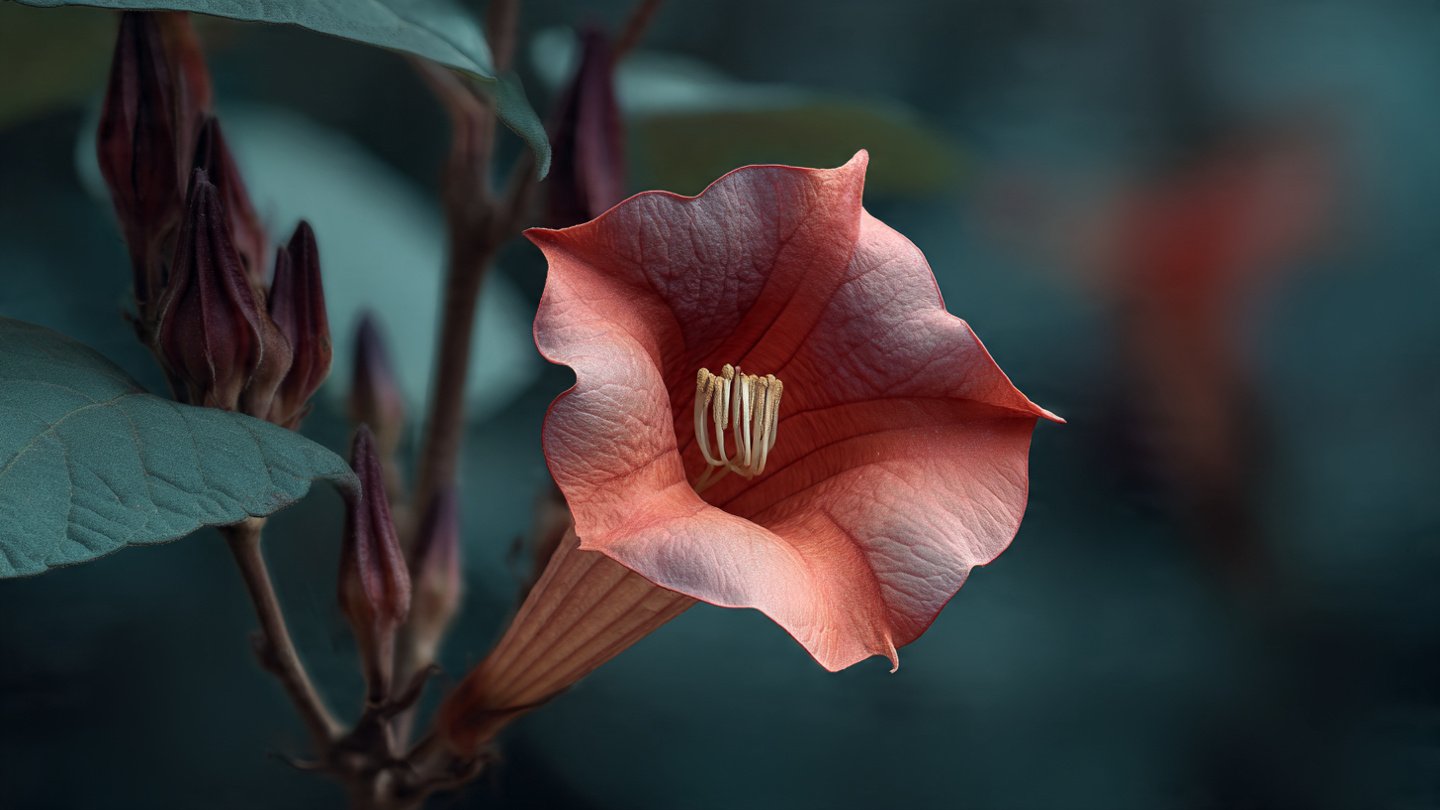
The flower known as “Devil’s Trumpet,” or Datura stramonium, has garnered attention not only for its striking appearance but also for the sinister implications of its name. The compelling combination of its beauty and danger encapsulates a broader narrative about how names can shape perceptions. In this article, we delve into the intriguing aspects of the Devil’s Trumpet, exploring its historical, cultural, and botanical significance, alongside the reasons behind its unsettling name.
A Brief Overview of the Devil’s Trumpet
Devil’s Trumpet is a perennial herbaceous plant belonging to the Solanaceae family, which includes other well-known plants like potatoes and tomatoes. Native to the Americas, it can often be found in disturbed soils, making it a common sight in rural areas and gardens.
The plant is known for its stunning, trumpet-shaped flowers that can be white, purple, or yellow. While its beauty can indeed charm unsuspecting admirers, there’s a darker side to this alluring plant that invites a closer examination.
The Nature of the Name
Names hold power; they can evoke emotion, stir curiosity, and generate fear. The name “Devil’s Trumpet” is particularly evocative, prompting questions about the origins and meaning behind it. The origin of this name likely stems from both physical attributes and folklore.
1. A Sinister Reputation
Historically, Datura stramonium has been associated with various negative connotations, partly due to its psychoactive and toxic qualities. The leaves and seeds contain tropane alkaloids, which can lead to delirium, hallucinations, and in extreme cases, death when ingested. Such potent effects have given rise to tales that frame the plant as a tool of malevolence and witchcraft.
2. Folklore and Myths
In many cultures, plants associated with witchcraft are often perceived as devilish or cursed. In folklore, the Devil’s Trumpet has been depicted as a flower used in sinister rituals. For example:
- Witches’ Brew: The plant’s psychoactive properties have made it an ingredient in various traditional potions and practices.
- Warnings: In some communities, children were warned against touching the plant lest they be lured into mischief by dark spirits.
3. The Visual Appeal
While many beautiful flowers evoke positive imagery, the Devil’s Trumpet’s alluring appearance juxtaposed with its notorious reputation enhances its name’s frightening nature. The open trumpet shape of the flower, often blooming in the gloaming hours, adds an air of mystery and danger.
Botanical Characteristics
As flora goes, the physical attributes of the Devil’s Trumpet are remarkable:
- Height: The plant can grow between 3 to 4 feet, often resembling a small shrub.
- Flowers: The trumpet-shaped flowers can be quite large (up to 6 inches long) and are known for their strong, intoxicating fragrance.
- Fruit: The plant produces spiny seed pods that can contain numerous seeds, ensuring the plant’s potential for widespread growth.
Devil’s Trumpet in Modern Culture
American and European societies have tethered varied meanings to this flower well into contemporary times. Some view it with admiration due to its visual appeal, while others remain wary of its toxicological properties. This dual nature highlights an interesting dimension of plant symbolism:
1. Aesthetic Appeal in Gardens
Despite its intimidating name and toxic properties, gardeners often cultivate Devil’s Trumpet as an ornamental plant. Its eye-catching flowers and fascinating growth pattern pique the interest of botany enthusiasts. Some appreciate it for its role in attracting pollinators such as moths, displaying a complex relationship between humans and nature.
2. Symbol of Danger
The plant is commonly mentioned in the context of poison control and toxicology discussions. Doctors often use it as a cautionary tale when teaching about the dangers of ingesting unknown plants, emphasizing the need for caution in handling wild flora.
Medicinal Uses and Toxicity
Curiously, although the Devil’s Trumpet is mainly recognized for its toxicity, its alkaloids—such as atropine and scopolamine—have found medicinal use in controlled doses. They are utilized in modern medicine for various conditions:
- Treatment of motion sickness
- Palliative care to alleviate pain
- Management of asthma due to its bronchodilator effects
However, the fine line between therapeutic use and poisoning keeps this flower ensconced in debates surrounding safety and ethics in herbal medicine.
Environmental Impact
Beyond its aesthetic and medicinal value, the ecological effects of the Devil’s Trumpet are noteworthy. As an invasive species, it can rapidly take over disturbed environments and outcompete native plants. This behavior calls for responsible planting and management to protect biodiversity.
Conclusion
The Devil’s Trumpet’s name is a compelling fusion of beauty and danger, a metaphor for the fascinating complexities found in nature. Its striking appearance belies dangers that are tangible and symbolized in various cultural narratives. The interplay between its aesthetic charm and toxic properties serves as a reminder of the enigmatic relationship humans have with the natural world. As we navigate our interactions with such intriguing flora, it is crucial to approach them with respect, knowledge, and caution.
FAQs
Q1: Is Devil’s Trumpet safe to grow in my garden?
A1: While many people do grow it for its beauty, caution is advised due to its toxicity. Ensure that children and pets cannot access it.
Q2: Can Devil’s Trumpet be used medicinally?
A2: Yes, in controlled doses, some of its alkaloids have medicinal applications. However, it should not be used without professional guidance.
Q3: Where can I find Devil’s Trumpet in the wild?
A3: It thrives in disturbed soils and can often be found in rural areas, but be cautious as it is considered invasive in many places.
Q4: What should I do if a child ingests part of this plant?
A4: Seek immediate medical attention. It’s crucial to be aware of the symptoms of poisoning and act quickly.
Q5: Are there any other common names for Devil’s Trumpet?
A5: Yes, it is also known as Jimson weed, thorn apple, and moonflower in different regions.