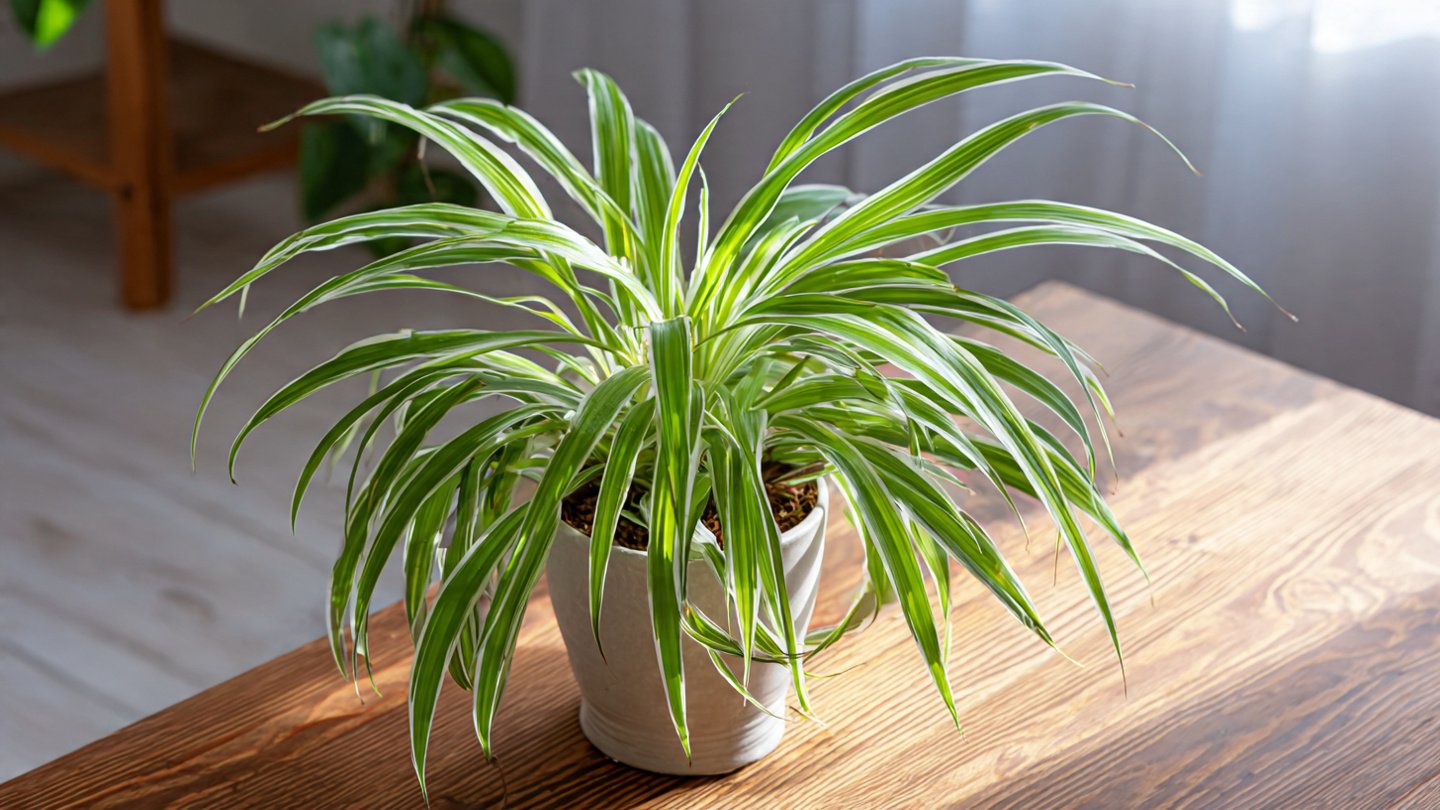
How Can You Effectively Trim Brown Tips Off Your Spider Plant?
The spider plant, or Chlorophytum comosum, is a popular houseplant known for its attractive arching leaves and air-purifying qualities. However, many owners face the common problem of brown tips on the leaves, which can be unsightly and a sign of an underlying issue. Understanding how to properly trim these brown tips can enhance the plant’s appearance and overall health.
Why Do Spider Plants Develop Brown Tips?
Before delving into the trimming process, it’s essential to understand why your spider plant might be developing brown tips. Several factors contribute to this issue:
- Water Quality: Tap water often contains chlorine and fluoride, which can lead to leaf burn. Using distilled or rainwater may prevent this issue.
- Inconsistent Watering: Overwatering or underwatering can both stress the plant, leading to brown leaf tips. Spider plants prefer evenly moist soil.
- Low Humidity: Spider plants thrive in humid environments. Low humidity can cause the leaf tips to dry out and turn brown.
- Excessive Sun Exposure: While spider plants love bright, indirect light, too much direct sunlight can scorch their leaves.
- Nutrition Issues: A lack of essential nutrients may also lead to browning tips. Regularly fertilizing your spider plant can ensure its health.
When to Trim Brown Tips
Trimming should be done whenever you notice brown tips. However, the best time to trim is during the growing season, typically in spring or early summer. Trimming during these periods allows the plant to heal and encourages healthy growth.
Gathering the Right Tools
Before starting the trimming process, gather the necessary tools to ensure an effective and clean cut. You will need:
- Sharp Scissors or Pruning Shears: Sharp tools minimize damage to the plant.
- Disinfectant: Rubbing alcohol or a bleach solution can be used to disinfect your tools, preventing the transmission of diseases.
- Paper Towels: For cleaning up any trimmings and maintaining a tidy workspace.
Steps to Trim Brown Tips Off Your Spider Plant
Now that you have everything prepared, follow these steps to effectively trim the brown tips off your spider plant:
Step 1: Assess the Damage
Start by examining the plant carefully. Only the tips of the leaves may be brown, or entire leaves may be affected. Identifying which leaves need trimming helps you focus your efforts effectively.
Step 2: Disinfect Your Tools
Before making any cuts, disinfect your scissors or pruning shears. This step is essential to prevent spreading pathogens that could harm your plant.
Step 3: Trim the Brown Tips
Using your sharp scissors or pruning shears, cut the brown tips of the leaves. Make your cuts at an angle to allow water to run off easily and reduce the risk of disease. Be careful not to cut into the green part of the leaf as that can cause further damage.
Step 4: Dispose of Clippings
Gather the trimmed pieces and dispose of them. Keeping your plant’s environment clean helps prevent pest infestations and disease.
Step 5: Clean Up
Use paper towels to clean the surface where you were working. This ensures your plant’s environment remains tidy and healthy.
Post-Trimming Care
After trimming, give your spider plant some extra attention. Consider the following care tips:
- Watering: Make sure your plant receives the right amount of water, keeping the soil moist but not soggy.
- Humidity: Increase humidity levels by misting your plant or placing a tray of water nearby to help combat dryness.
- Light: Ensure your spider plant is receiving bright, indirect light. If necessary, move it to a more suitable location.
- Fertilization: Post-trimming is a great time to fertilize your spider plant. Use a balanced, water-soluble fertilizer every 4-6 weeks during the growing season.
Conclusion
Trimming the brown tips of your spider plant not only improves its appearance but also encourages healthier growth. By understanding the causes of browning, using proper tools, and following effective trimming steps, your spider plant can thrive. Always remember that the key to a healthy plant lies in attentive care, including proper watering, humidity levels, and light exposure. Regular maintenance will keep your spider plant lush and vibrant.
FAQs
1. Can I cut off all the brown tips, even if they are close to the healthy parts of the leaf?
It’s best to trim only the brown parts without cutting into the green sections. Cutting into the healthy part can cause further damage and stress to the plant.
2. Should I fertilize my spider plant after trimming?
Yes, fertilizing after trimming can provide the nutrients needed for healthy regrowth, especially during the growing season.
3. Is it necessary to trim brown tips if they are not affecting the overall health of the plant?
Trimming brown tips is not mandatory, but it can improve the plant’s aesthetic and prevent potential diseases or pests.
4. How often should I check my spider plant for brown tips?
It’s a good practice to check your spider plant weekly. Promptly addressing brown tips can help maintain its overall health.
5. What is the ideal humidity level for spider plants?
Spider plants prefer a humidity level between 40% to 60%. You can increase humidity through misting, pebble trays, or room humidifiers.