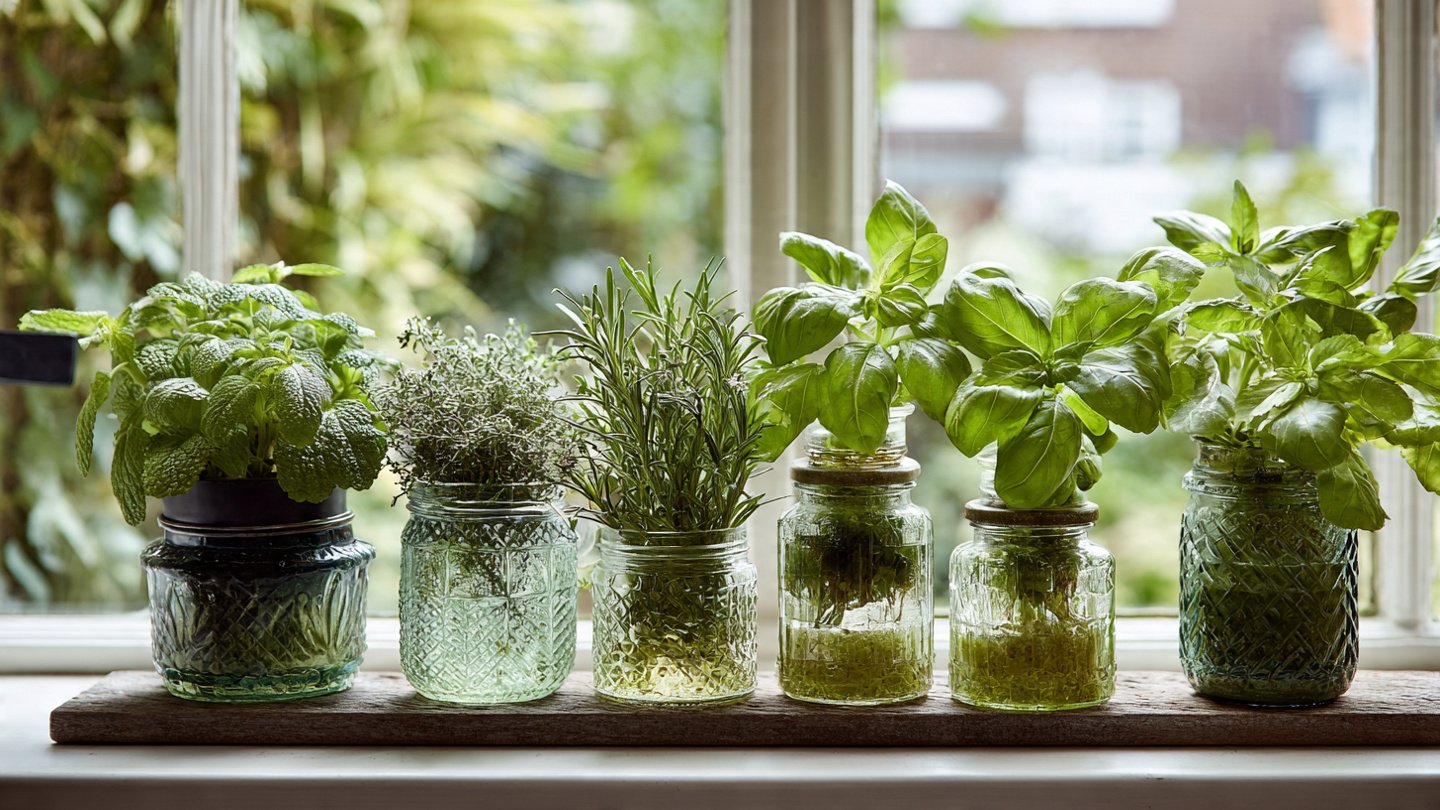
Creating a beautiful and functional kitchen is an aspiration for many homeowners. One of the best ways to enhance your kitchen aesthetic and provide fresh ingredients for your meals is by transforming your windowsill into a fragrant garden of edible herbs. Not only do these plants add splashes of green to your kitchen, but they also offer an array of flavors and aromas, elevating your culinary experiences. Let’s delve into how you can achieve this transformation effectively.
Why Edible Herbs?
Edible herbs are a fantastic addition to any kitchen for several reasons:
- Fresh Flavor: Nothing compares to the taste of freshly picked herbs. They can significantly elevate the flavor profile of your dishes.
- Aromatic Appeal: Many herbs emit wonderful fragrances that can make your cooking space more inviting.
- Health Benefits: Herbs like basil and cilantro are packed with antioxidants, vitamins, and minerals.
- Ease of Growth: Many herbs are easy to grow, even for beginners, making them an ideal choice for a kitchen garden.
Selecting the Right Herbs
Before you start planting, it’s crucial to choose the right herbs for your kitchen windowsill. Consider the following popular options:
Basil
Basil is a delightful herb with a sweet, slightly peppery flavor that works well in Italian dishes, salads, and pesto. Its bright green leaves provide a lush appearance, making it an attractive addition to your kitchen.
Mint
Mint is a hardy herb with a fresh, cool fragrance. It’s perfect for teas, desserts, and cocktails. Plus, mint grows quickly and can flourish in almost any condition.
Thyme
Thyme is a versatile herb that pairs well with a wide variety of dishes. Its earthy flavor enhances meats, soups, and vegetable dishes. It’s also drought-resistant, making it low-maintenance.
Parsley
As one of the most commonly used herbs in kitchens, parsley offers a fresh flavor and a vibrant green color. It’s packed with nutrients and can be used in salads, soups, and as a garnish.
Cilantro
Cilantro has a unique flavor that is essential in many cuisines around the world, particularly in Mexican and Asian dishes. Its feathery leaves add a refreshing taste to salsas, salads, and more.
Essential Considerations for Your Windowsill Garden
When creating your herb garden on your windowsill, consider the following factors:
Light Requirements
Most herbs thrive in full sunlight, ideally receiving 6–8 hours of light daily. Place your pots on a south-facing windowsill for optimal growth. If natural light is limited, consider using grow lights to supplement.
Potting Options
Choose containers that have adequate drainage holes; herbs dislike sitting in water. You can use clay pots, ceramic pots, or even recycled containers as long as they provide good drainage.
Soil Quality
Opt for a high-quality potting mix designed for herbs or vegetables. This will ensure your plants receive the nutrients they need to thrive.
Watering
Overwatering is a common mistake. Allow the top inch of soil to dry out before watering again, ensuring that your herbs receive adequate moisture while preventing root rot.
Care and Maintenance Tips
To keep your herbs healthy and flourishing, follow these care tips:
Fertilization
While many herbs can grow in potting soil without much fertilization, feeding them with a balanced, diluted fertilizer every few weeks will encourage robust growth.
Pruning
Regularly trimming your herbs not only encourages bushier growth but also prevents them from flowering too early, which can diminish the flavor. Always snip leaves from the top rather than the bottom.
Pest Management
Keep an eye out for pests such as aphids or spider mites. If you spot them, consider using organic insecticidal soap or neem oil as a treatment to protect your herbs.
Harvesting Your Herbs
Knowing when and how to harvest your herbs is crucial for flavor and health:
- Timing: Harvest in the morning when oils are highest. Avoid harvesting more than one-third of the plant at a time.
- Techniques: Use clean scissors or shears to avoid damaging the plant. Snip just above a leaf node to encourage further growth.
Culinary Uses of Fresh Herbs
Once you’ve harvested your herbs, they can take your meals to the next level:
- Salads: Toss fresh herbs into salads for added flavor and color.
- Main Dishes: Add herbs to marinades, dressings, or directly to your cooking for a fragrant boost.
- Garnishes: Use sprigs of fresh herbs as garnishes to enhance the presentation of your dishes.
Conclusion
Transforming your kitchen windowsill into a vibrant oasis of fragrant edible herbs not only enhances the aesthetics of your cooking space but also enriches your culinary endeavors. With a bit of care, planning, and the right herb selections, you can enjoy fresh flavors that elevate your meals and invigorate your cooking experience. So why wait? Start your herb garden today and savor the joys of homegrown ingredients.
FAQs
Indoor herbs may require less water in winter as they enter a dormant phase. Ensure they still receive adequate light, and consider placing grow lights if natural light is insufficient.
While many herbs prefer bright, direct sunlight, some, like parsley and mint, can tolerate low-light conditions. However, growth may slow down.
Water your herbs when the top inch of soil feels dry. Overwatering can lead to root rot, so it’s better to err on the side of too little moisture.
Yes, some herbs can root in water, like basil. However, growing them in soil is generally more sustainable and allows for better nutrient uptake.
You can dry or freeze your herbs to preserve them. Drying can be done by hanging them upside down in a cool, dark place, while freezing can be done by chopping and placing them in ice cube trays with a bit of water or oil.