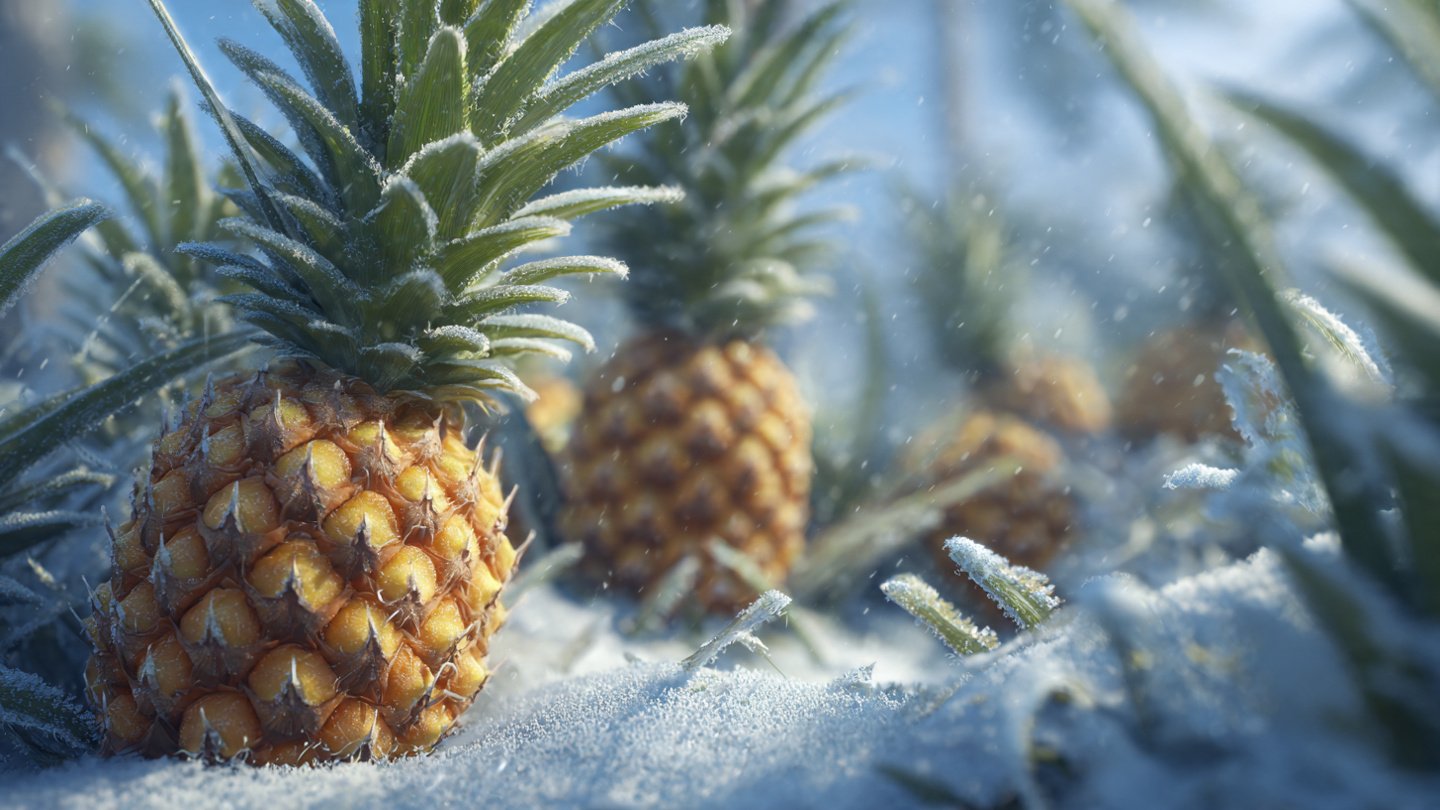
Pineapples are synonymous with warm climates, sunshine, and sandy beaches. Traditionally, these tropical fruits thrive in regions with temperatures ranging from 65°F to 95°F (18°C to 35°C). But what if you live in a colder climate and dream of cultivating your pineapple? Is it possible to grow pineapples in such environments? The answer lies in innovative gardening techniques, particularly the use of protective shields. This article will explore how you can grow pineapples successfully in cold climates using simple methods, and we’ll provide some practical advice to help you along the way.
Understanding the Pineapple Plant
Pineapples (Ananas comosus) are perennial plants that typically take about 18-24 months to bear fruit. They require well-drained soil and full sunlight for optimal growth. The plant’s tough, spiky exterior is often deceptive, as it is a hardy species. However, cold temperatures can easily stunt its growth or even kill it. Understanding the physiological needs of the pineapple will help in mimicking its preferred environment.
The Cold Climate Challenge
Cold climates pose several challenges for growing pineapples:
- Temperature: Pineapples cannot withstand frost. Freezing temperatures can damage the leaves and severely impact fruit development.
- Soil Conditions: Cold, wet soils can lead to root rot, a common issue for pineapple plants.
- Sunlight: Shorter day lengths in winter can affect photosynthesis, leading to poor growth.
The Simple Shield Concept
The idea of using a “simple shield” to protect your pineapple plants from cold stresses involves creating a microclimate that mimics the plant’s natural habitat. This can be achieved through various methods, including:
1. Using Row Covers
Row covers are lightweight fabrics that can be placed over your pineapple plants to trap heat. They allow sunlight to penetrate while protecting against frost and cold winds. Make sure to secure the edges to prevent wind from lifting them off your plants.
2. Cold Frames
A cold frame is a structure built to protect plants from cold while allowing sunlight to enter. These can be made from old windows or plastic sheeting and should be positioned in a location that receives ample sunlight. Cold frames can significantly raise the ambient temperature around your plants, facilitating their growth.
3. Greenhouse Cultivation
For serious pineapple enthusiasts, investing in a small greenhouse can provide the most controlled environment. This option allows for year-round growth and optimal conditions for germination, growth, and fruiting.
Soil Preparation and Fertilization
Ensuring the right soil conditions is crucial for growing pineapples in cold climates. The following steps will guide you:
1. Soil Composition
Use a mix of sandy loam with organic compost. This combination promotes good drainage while providing the nutrients needed for healthy plant growth. Avoid heavy clay soils, as they retain too much moisture and can rot the roots.
2. Mulching
Apply a layer of mulch around the base of the plants. Mulching helps retain soil moisture, regulates temperature, and adds organic matter to the soil as it decomposes. It also protects the roots during colder months.
3. Fertilization
Pineapples benefit from a balanced fertilizer. A slow-release, nitrogen-rich variety is best during the growing season, while slightly switching to potassium-rich fertilizers can help during the fruiting stage. Be cautious not to over-fertilize, as this can hinder growth.
Watering Routine
The watering needs of pineapple plants vary according to climate and growth stage:
- Young Plants: Keep the soil consistently moist but not waterlogged. Water early in the morning to minimize evaporation.
- Mature Plants: Reduce watering during the colder months but ensure they receive adequate moisture to thrive. Always check the soil’s moisture before watering.
Choosing the Right Variety
Some pineapple varieties are more adapted to cooler climates than others. While most standard varieties do best in warm regions, consider the following:
- Queen Pineapple: This variety is smaller but is known for its sweetness and ability to adapt to varied conditions.
- Red Spanish: This is another hardy variety that can resist cooler temperatures better than most.
Monitoring and Adjusting
As with any gardening endeavor, monitoring is crucial for success. Keep an eye on your plants, checking for signs of stress, such as yellowing leaves or stunted growth. Adjust water, shielding, or fertilizer as needed to ensure your pineapple plants remain healthy.
Conclusion
While growing pineapples in cold climates presents challenges, using innovative shielding techniques can make this dream a reality. By understanding the specific requirements of pineapples and creating a suitable microclimate, you can successfully cultivate this tropical fruit even in lesser-friendly environments. Regular monitoring and adjustments will ensure that your plants remain healthy and productive. So, with patience and care, you may soon be harvesting your own homegrown pineapples!
FAQs
Can pineapples survive frost?
No, pineapples are sensitive to frost and cannot survive freezing temperatures. Protective measures are essential in cold climates.
How long does it take to grow a pineapple?
Typically, it takes about 18-24 months for a pineapple plant to produce fruit from planting.
What is the best way to fertilize pineapples?
A balanced fertilizer rich in nitrogen during the growing season and potassium during fruiting is ideal.
Can I grow pineapples indoors?
Yes, growing pineapples indoors is feasible, especially if you provide adequate sunlight and maintain the right temperature.
Are there any specific pineapple varieties for colder climates?
Yes, varieties like Queen Pineapple and Red Spanish are known to adapt better to cooler conditions than others.