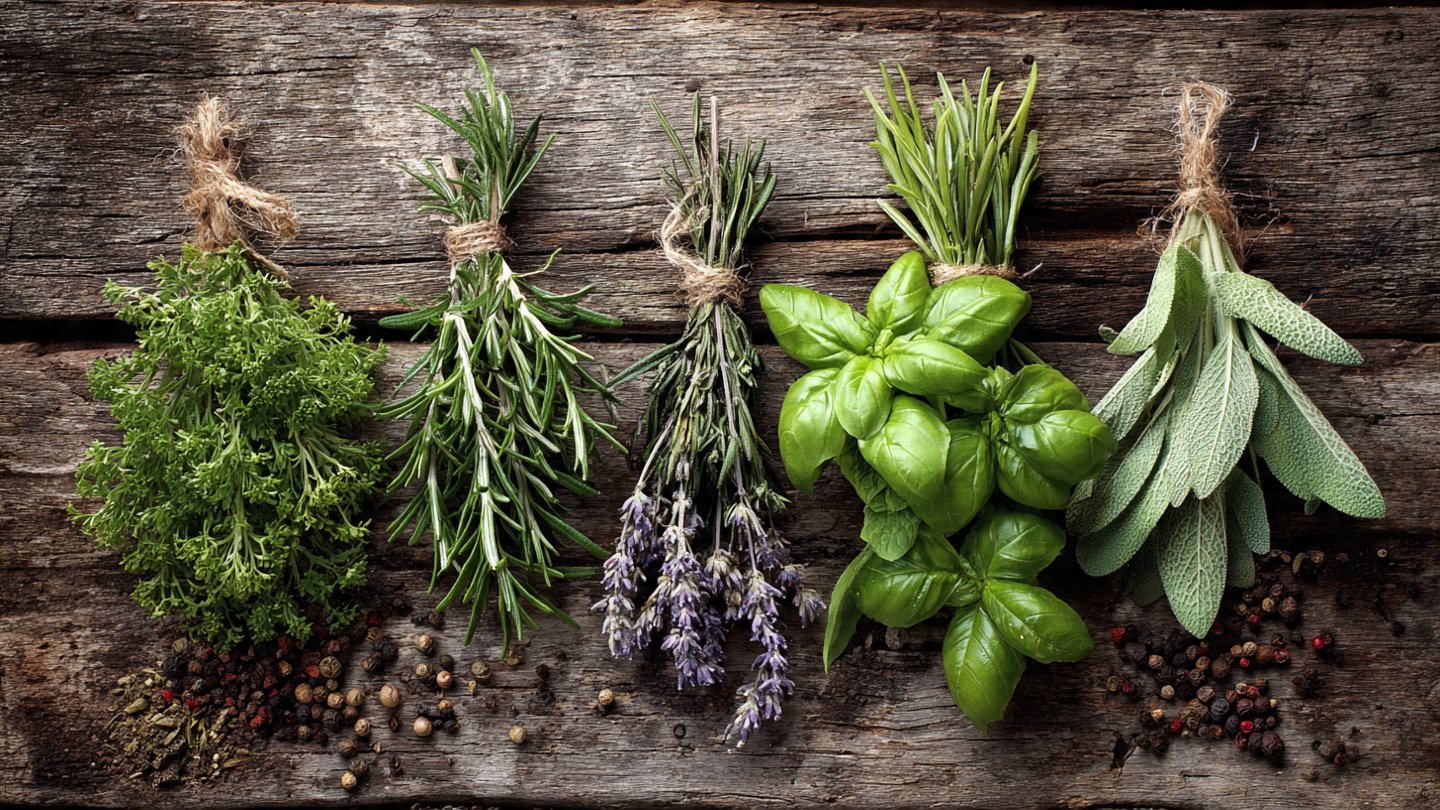
Herbs play a crucial role in culinary traditions around the globe. They are coveted for their ability to enhance the flavor of dishes, providing depth and aromatic qualities that make meals irresistible. However, for some people, certain herbs can evoke an unexpected and unsettling flavor—a soapy taste. But what causes this bizarre flavor reaction? In this article, we will delve into the hidden reasons behind why certain herbs might taste like soap and the science, genetics, and perception behind this flavor mystery.
Understanding Flavor Perception
Before we dive into specific herbs, it’s essential to understand how we perceive flavor. Flavor is the combined experience of taste and smell, influenced by what we eat and how our brains interpret these signals. The five basic tastes—sweet, sour, salty, bitter, and umami—merge with the olfactory sensations to create a complex flavor profile.
The Role of Aroma in Flavor
Aroma is a significant part of how we experience flavor. In fact, up to 80% of what we perceive as taste comes from our sense of smell. When we bite into our favorite dish, aromatic compounds travel to the olfactory receptors in our noses, combining with the taste buds’ signals on our tongues. This synergy is crucial for a holistic flavor experience.
Genetics and Flavor Perception
Interestingly, genetics plays a significant role in how individuals perceive taste. Some people may have variations in taste receptor genes that affect their sensitivity to specific compounds found in foods, including herbs. This genetic diversity can make certain flavors more pronounced or even off-putting for some individuals.
The Soap Flavor Mystery: Common Herbs and Their Compounds
Let’s explore some common herbs that people often report tasting soapy, examining the compounds responsible for these flavors.
Cilantro: The Most Notorious Offender
Cilantro (Coriandrum sativum) is perhaps the most well-known herb associated with a soapy taste. Scientific studies have identified specific aldehyde compounds, particularly (E)-2-alkenal, that are prevalent in cilantro and found in soaps and lotions.
Genetic Predisposition: Research shows that individuals who perceive a soapy flavor from cilantro may carry a variant of a gene called OR6A2, which makes them more sensitive to these aldehyde compounds. This genetic predisposition means that while some may enjoy cilantro’s fresh and citrusy flavor, others cannot help but detect an off-putting soapiness.
Culinary Uses: In many cultures, cilantro is a cherished ingredient, used in guacamole, salsas, and various dishes. Understanding the genetic reasons behind the soapy flavor may allow people to explore alternative herbs that provide similar freshness without the undesirable taste.
Dill: An Unexpected Soapy Character
Dill (Anethum graveolens) is another herb that can evoke a soapy sensation. The compound responsible is called carvone, which also occurs in spearmint.
Perception Differences: People with heightened sensitivity to carvone may experience dill differently, finding the flavor more intense and sometimes unpleasant. This dynamic offers a glimpse into how the interaction between genetics and aromatic compounds shapes our taste experiences.
Culinary Applications: Dill is widely used in pickling, seafood dishes, and sauces. For those who find the flavor unfavorable, parsley or fennel might serve as agreeable substitutes, offering a unique twist to dishes without the unwelcome soapiness.
Parsley: The Lesser-Known Soap Flavor
Parsley (Petroselinum crispum) might not be as famous for having a soapy flavor as cilantro or dill, but it can still trigger that sensation in some people due to the presence of certain volatile compounds, including myrcene and other terpenes.
- Flavor Profile Variations: Just as with dill and cilantro, how we perceive parsley’s flavor can vary considerably between individuals. For those who get a soapy sensation, understanding these genetic sensitivities can enhance their culinary experience by choosing herbs that align more closely with their taste preferences.
Other Herbs and Their Unique Challenges
While cilantro, dill, and parsley are the primary offenders, other herbs can evoke similar reactions. Let’s take a glance at a few less common herbs that might also create a soapy flavor perception.
Basil: More Than Just Sweetness
Basil (Ocimum basilicum) is a popular herb in Italian and Southeast Asian cuisines. However, some people report a slight soapy undertone, primarily linked to certain volatile compounds such as linalool and estragole.
- Culinary Context: While many enjoy fresh or dried basil’s fragrant notes, those with molecular sensitivity might select alternate herbs like oregano or thyme to avoid the soapy possibility.
Mint: The Dual Nature
Mint (Mentha spp.) is celebrated for its refreshing flavor but can also evoke soapy sensations, especially in sensitive individuals. The origins of this phenomenon can be traced back to compounds such as menthol and an array of other terpenes.
- Taste Adaptation: The unique way mint interacts with taste receptors means that for some, it may quickly go from refreshing to oddly soapy. Substitutes like lemon balm or even fruit flavors can provide an alternative for those dissatisfied with mint.
The Psychological Aspect: Expectation vs. Reality
Flavor perception is not solely about biological and chemical interactions; psychological factors also play a role. The concept of expectation can significantly influence how we perceive flavors.
Cultural Influences: In cultures where cilantro is integral, individuals may have developed a positive association with the herb. In contrast, if someone expects bad flavors due to prior experiences, they may falsely establish a soapy connection.
Texture and Presentation: How herbs are presented, such as in a sauce versus a salad, can influence flavor perception. Textural cues and visual presentation often contribute to expectations and can affect overall taste experiences.
Strategies for Enjoying Herbs Without the Soap
Fresh vs. Dried: Fresh herbs may present different aromatic compounds compared to their dried counterparts. If you’re sensitive to soapy flavors, exploring fresh and dried options may help find a palatable middle ground.
Cooking Techniques: Cooking herbs can alter their flavor profile. Sautéing or infusing herbs into oil can mellow their taste, potentially reducing the soapy sensation.
Herb Blends: Mixing herbs can create complex flavors while masking undesirable notes. For instance, combining cilantro with lime or mint might provide a taste experience that overcomes any soapiness.
Experiment with Substitutes: If certain herbs aren’t appealing, experiment with substitutes. Oregano, basil, chives, and tarragon may provide unique flavor profiles without triggering negative taste experiences.
Conclusion
The age-old culinary practice of using herbs is enriched with flavor and plenty of mysteries. The soapy taste associated with certain herbs like cilantro, dill, and parsley stems from complex interactions among genetics, chemical compounds, and individual taste perception. As we’ve explored, people’s varying reactions to these herbs highlight the profound connection between biology and flavor experience.
By understanding the science and psychology behind flavor perception, you can navigate the world of herbs more confidently. Whether you’re a culinary novice or an experienced chef, this knowledge opens channels for exploration and creativity in the kitchen, ensuring that you can enhance your meals without unintended soapy surprises. Embrace the variety and keep discovering—the world of herbs is vast and delicious!