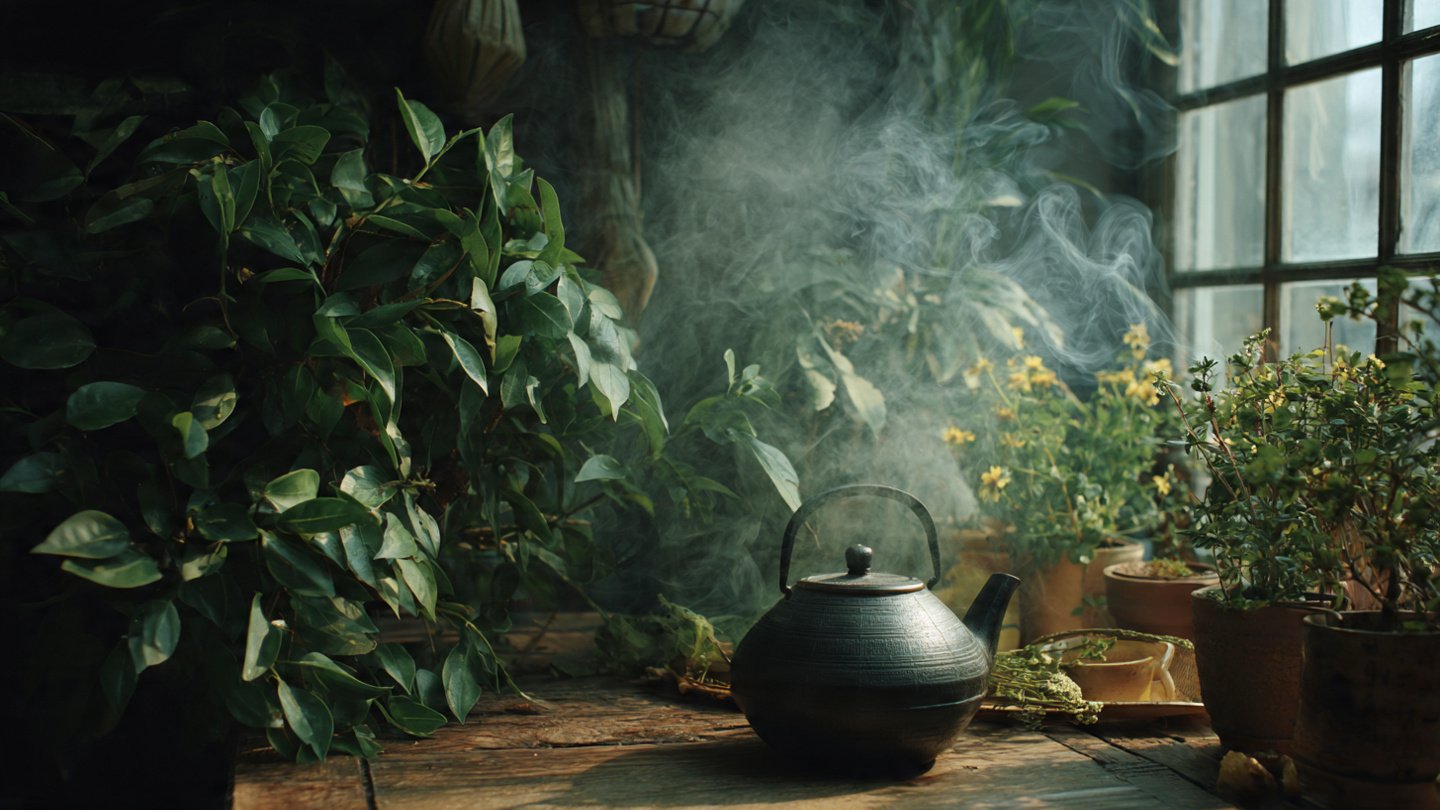
Why Mist Your Plants with Leftover Tea?
Plants are akin to humans; they require nourishment and care to thrive. While watering is the most common method of plant care, many plant enthusiasts experiment with alternative solutions that can provide additional benefits. One such method is misting plants with leftover tea. This practice not only helps hydrate your plants, but it also offers several surprising benefits that can enhance growth and overall health.
Understanding the Rich Composition of Tea
Tea is rich in a variety of compounds that can be beneficial for plants:
- Tannins: Present in black tea, tannins can enhance soil structure and promote microbial activity.
- Antioxidants: Tea contains polyphenols, which can help plants resist pests and diseases.
- Nutrients: Leftover tea often contains trace amounts of nitrogen, potassium, and phosphorus, essential nutrients that promote plant growth.
- Acidity: Different types of tea have varying levels of acidity, which can help balance soil pH when used moderately.
Surprising Benefits of Misting with Leftover Tea
1. Natural Fertilizer
Using leftover tea as a mist can serve as a natural fertilizer. The nutrients in the tea can seep into the soil, providing your plants with essential micronutrients. For instance, black tea contains small amounts of nitrogen, which is crucial for plant foliage. Furthermore, tea enriches the soil, improving aeration and nutrient absorption, promoting healthier plant growth.
2. Pest Deterrent
The antioxidants and tannins present in tea can help deter certain pests. For example, the bitter taste of tannins may ward off pests that usually attack plants. By misting your plants with leftover tea, you create an earthy barrier that pests might not find appealing.
3. Fungal Resistance
Tea, especially black tea, has been known to possess antifungal properties. When misted on plants, these properties can help combat fungal diseases, such as powdery mildew. The polyphenols in tea can inhibit the growth of fungi, providing an additional protective layer to your plants.
4. Vegan-friendly Option
Misting plants with leftover tea is an excellent option for those who follow a vegan lifestyle or prefer organic gardening. Unlike chemical fertilizers that can harm the environment, tea is a natural alternative with less risk of causing damage to surrounding flora.
5. Enhanced Humidity and Hydration
In dry environments, misting with water is a common practice to maintain humidity levels. Adding tea to the mist can boost this effect, creating a conducive environment for specific plants that thrive in humid conditions like ferns and tropical varieties.
6. Aromatic Benefits
The gentle fragrance of tea can enhance the sensory experience in your garden or indoor greenery. You may find that certain varieties of tea can lend a pleasant scent to your indoor environment, making it more inviting. In addition, some plants may benefit from this aromatic infusion, promoting overall vitality.
How to Mist Your Plants with Leftover Tea
The process of misting your plants with tea is straightforward:
- Collect Leftover Tea: Use only the remnants of pure tea, without any added sweeteners or flavorings that could harm your plants.
- Prepare the Mixture: Dilute the leftover tea with water in a spray bottle. A good ratio is one part tea to four parts water, but you can adjust this based on your plant’s needs.
- Test First: Apply the mixture to a small section of the plant or a less vital plant to ensure no adverse reactions occur.
- Mist Lightly: Spray the leaves and surrounding soil lightly. Avoid saturating them to prevent fungal diseases.
- Repeat as Needed: You can mist your plants every couple of weeks or as needed, depending on environmental conditions and plant health.
Potential Cautions
While the benefits of misting with leftover tea are numerous, some precautions should be taken:
- Type of Tea: Not all teas are created equal. Avoid herbal teas with added sugars or chemicals.
- Health Conditions of Plants: If your plants are already experiencing health issues, consult a plant expert before introducing tea to their care routine.
- Soil Composition: The existing soil composition can affect how plants react to tea misting. Always pay attention to how your plants respond.
Conclusion
Misting your plants with leftover tea offers multiple avenues for improved growth, pest resistance, and enhanced environmental conditions. Its natural composition makes it an eco-friendly choice that benefits both your plants and the earth. Similar to any gardening technique, monitoring plant responses to tea misting is essential to ensure the best outcomes. With the right approach, you may find this simple practice delivers surprising benefits to your beloved greenery.
FAQs
1. Can I use any type of tea?
It’s best to use pure, unsweetened tea varieties. Black tea and green tea are generally good choices, while herbal teas should be used cautiously due to added ingredients.
2. How often should I mist my plants with tea?
Misting every couple of weeks is recommended, but this can vary based on your plants’ needs and environmental factors.
3. Will tea harm my plants?
If used in moderation and properly diluted, tea is unlikely to harm your plants. Always monitor plant responses to check for any adverse effects.
4. Can I substitute tea for regular watering?
No, misting with tea should complement regular watering and not replace it. It provides additional nutrients but does not hydrate the plant like water.
5. Can I use leftover tea bags?
Yes, using leftover tea bags is acceptable as long as they are pure tea without additives. Just remember to cut open the bags and mix the contents with water.