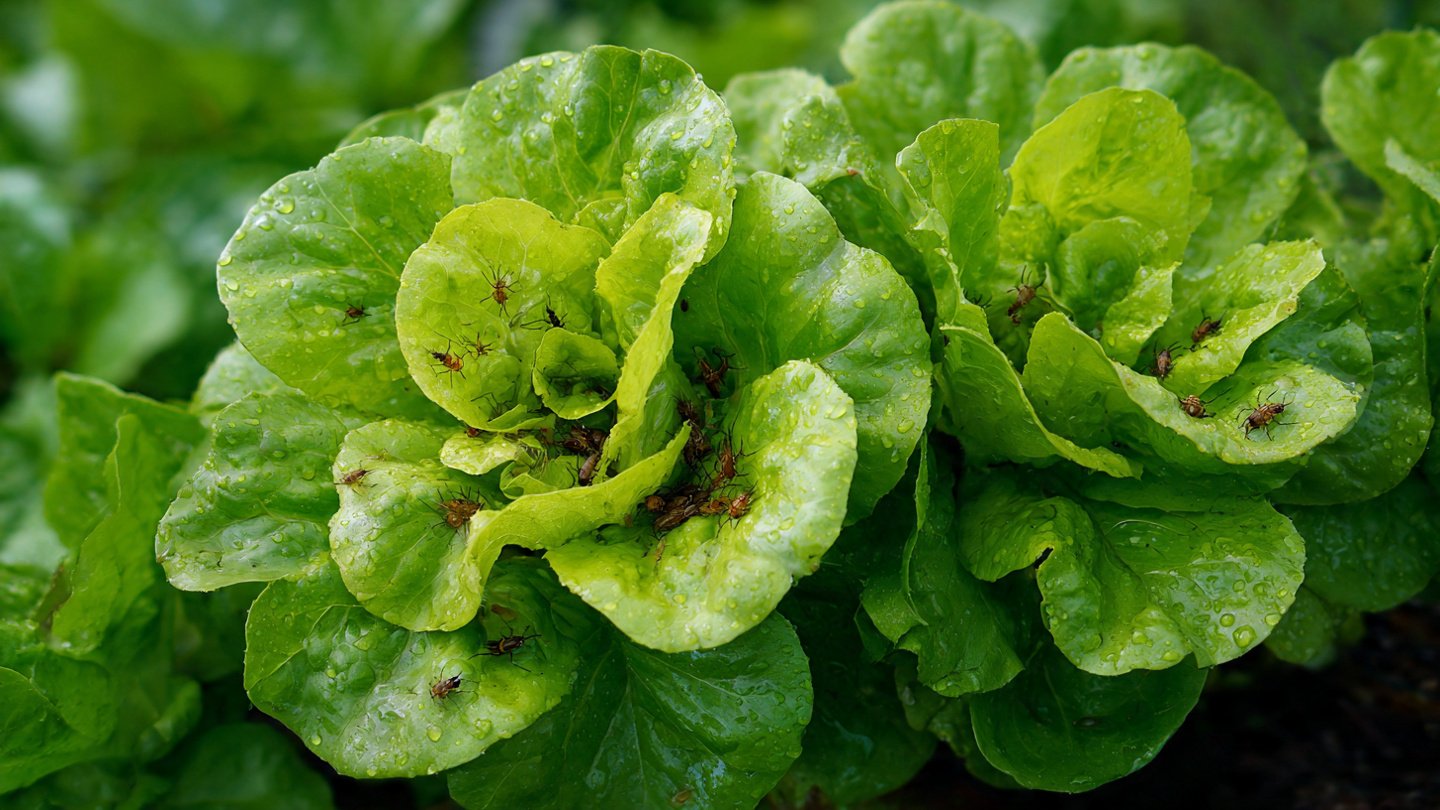
Growing lettuce can be a rewarding endeavor, but it can quickly turn into a nightmare if pests invade your garden. The delicate leaves are a favorite among various insects, and if left unchecked, these pests can devastate your crop. This article will explore effective, innovative strategies to catch and deter pests from your lettuce in a discrete and stealthy manner—specifically during the midnight hours.
Understanding the Common Pests
Before you can effectively catch and manage pests, it’s essential to know who your enemies are. Here are some of the most common pests that love devouring lettuce:
- Slugs and Snails: These nocturnal creatures tend to feed on the leaves of lettuce at night, leaving behind a trail of slime.
- Aphids: Small and often overlooked, aphids suck sap from the leaves, causing deformations.
- Spider Mites: Tiny pests that can cause significant damage by sucking the cell contents from leaves.
- Leaf Miners: These larvae feed within the leaves, creating visible trails.
- Cutworms: They can sever young plants at the base, leading to their demise.
Setting the Stage for Midnight Monitoring
To effectively catch pests, you need to create an environment conducive to both detecting and trapping them, particularly during the night.
Create a Night Garden
Consider setting up your garden in a way that enhances its nocturnal activity. Use the following tips to create a conducive environment:
- Lighting: Install soft, indirect lighting. This will attract bugs without disrupting the natural habitat of beneficial insects.
- Cover Crops: Plant flowers and other crops that will draw beneficial insects, which act as natural pest predators.
- Humidity Control: Maintain adequate moisture in the soil; this is essential for understanding the ecosystem and the activities of slugs and snails.
Using Traps
Trapping is one of the most effective measures for catching pests that invade your lettuce at night. Here are some strategies you can employ:
- Beer Traps: Place shallow bowls filled with beer around the garden. The scent attracts slugs and snails, which drown in the liquid.
- Natural Predators: Consider introducing or attracting natural predators such as hedgehogs, toads, and certain bird species that feast on pests.
- Sticky Traps: Place yellow sticky traps at varying heights around the beds. These traps can catch aphids and whiteflies.
The Midnight Patrol: Monitoring and Management
No pest-catching strategy would be complete without a plan for monitoring and management. Conducting a midnight patrol can yield valuable insights into when and where pests are most active.
Tools for Planning Your Patrol
- Headlamp or Flashlight: A good light source is essential, preferably one with a red filter to minimize disturbance.
- Garden Journal: Note down your findings. A garden journal helps identify patterns of pest activity over time.
- Camera or Smartphone: Documenting pest activity can aid in identifying pest types and behaviors.
Conducting the Patrol
When conducting your patrol, look for the following:
- Signs of leaf damage, particularly irregular holes.
- Visible pest presence, such as slugs hiding under leaves.
- Monitoring the traps set during the day for active collections.
Organic Pest Management Solutions
Pest management doesn’t have to involve harmful chemicals. Here are some organic solutions you can implement:
- Neem Oil: This natural pesticide disrupts the feeding and breeding of various pests.
- Companion Planting: Use plants like marigolds to repel aphids and other pests.
- Garlic or Hot Pepper Spray: These sprays act as natural deterrents against pests.
Preventive Measures
While capturing and managing pests is essential, prevention should always be the first line of defense. Here are some preventive measures:
- Crop Rotation: This reduces the chance of pests returning to a previously infested area.
- Proper Spacing: Space your lettuce appropriately to allow air circulation, reducing the likelihood of pest infestations.
- Mulching: Using organic mulch can smother pests, retain moisture, and improve soil health.
Monitoring and Record Keeping
Keep track of the effectiveness of your pest control measures. This will help you understand what works best in your specific environment. A few tips include:
- Use graphs or charts to track pest populations over time.
- Correlate your observations with weather patterns and other environmental changes.
- Evaluate the performance of organic pest control methods regularly.
Conclusion
Successfully managing pests that threaten your lettuce requires a combination of knowledge, observation, and proactive strategies. By understanding the common pests that target your crops and utilizing methods such as nocturnal monitoring and traps, you can safeguard your garden effectively. Remember to incorporate preventive measures and organic solutions for a sustainable approach to pest management. With dedication and the right techniques, you can enjoy a bountiful harvest of lettuce free from unwanted pests.
FAQs
1. How can I identify if pests are present on my lettuce?
Look for symptoms such as holes in the leaves, a sticky residue, or visible insects on or around the lettuce. Regular inspections help catch infestations early.
2. What is the most effective trap for catching slugs?
Beer traps are highly effective for slugs and snails. They are attracted to the scent and will drown in the liquid.
3. Are there any natural repellent sprays I can make at home?
Yes, garlic or hot pepper spray is a popular homemade repellent. Mix crushed garlic or hot pepper with water, strain it, and spray it on your plants.
4. Should I use chemical pesticides?
It is recommended to use organic solutions whenever possible. Chemical pesticides can harm beneficial insects and disrupt the ecosystem in your garden.
5. How often should I patrol my garden for pests?
Conduct nightly patrols, especially during warm and humid weather when pests are most active. Regular monitoring is key to effective management.