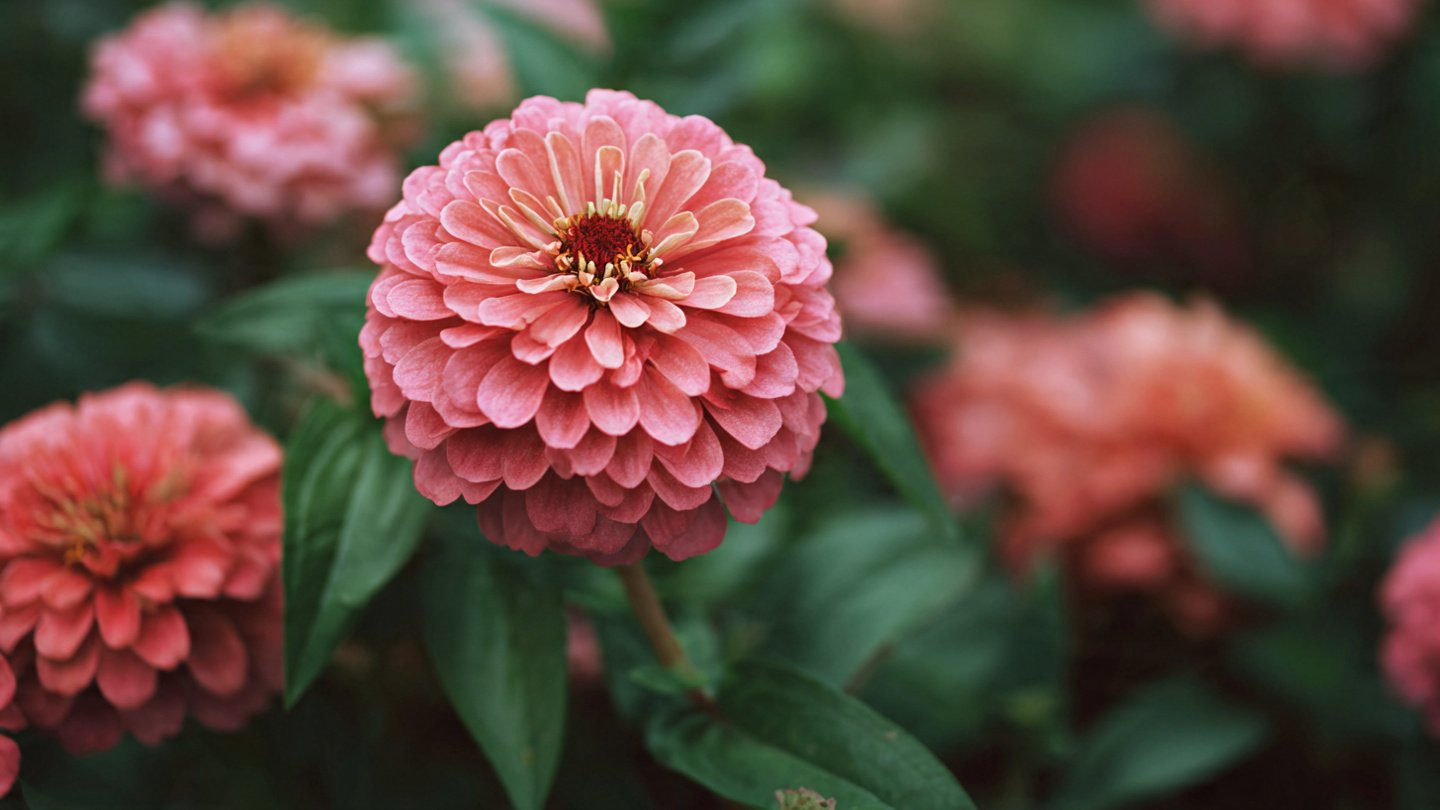
For generations, grandmothers have been the keepers of wisdom, imparting knowledge about gardening passed down through ages. One of the delightful and vibrant flowers that many have come to love is the zinnia. Known for their bright hues and ability to grow robustly, zinnias can become gigantic with the right care and techniques. This article explores the secrets that your grandmother may have discovered about cultivating giant zinnias, ensuring that your garden bursts with color and life.
The Fascination with Zinnias
Zinnias are a member of the Asteraceae family and are native to North America and South America. Dating back to the early 18th century, zinnias gained popularity for their diverse colors and shapes. Many garden enthusiasts appreciate them for their resilience and ability to attract pollinators. However, to achieve maximum growth—resulting in those stunning giant zinnias—certain techniques are essential.
Soil Preparation
One of the key foundations for growing healthy, giant zinnias lies in soil preparation. Your grandmother likely emphasized the importance of starting with nutrient-rich soil. Here’s how to prepare the perfect bed for your zinnias:
- Testing Soil pH: Zinnias thrive in slightly acidic to neutral soil, with a pH between 6.0 and 7.0. A soil test kit can help you determine your pH levels.
- Amending the Soil: If your soil is sandy or clay-heavy, amend it with organic matter such as compost or well-rotted manure. This will improve drainage and nutrient content.
- Fertilization: A balanced fertilizer (10-10-10) can provide a necessary nutrient boost. Be cautious not to over-fertilize, as excessive nitrogen can lead to lush foliage but fewer flowers.
Choosing the Right Varieties
When aiming for giant zinnias, it’s essential to choose the appropriate varieties. Your grandmother may have had her favorites based on local conditions and her personal experience. Some popular giant zinnia varieties include:
- ‘Giant Dahlia’: Known for its spectacular blooms reaching up to 4-5 inches in diameter.
- ‘Benary’s Giant’: This variety is celebrated for its vibrant colors and substantial size, perfect for cutting gardens.
- ‘State Fair’: With a height of up to 3 feet, these zinnias make a striking display in any garden.
Planting Techniques
Your grandmother probably had a specific method for planting zinnias that contributed to their growth. Here are some essential planting techniques she might have shared:
- Timing: The best time to plant zinnias is after the last frost of spring, when the soil has warmed up to about 70°F.
- Spacing: Zinnias should be planted about 12 to 24 inches apart to allow for adequate air circulation and growth.
- Sowing Seeds: Whether direct-sowing seeds or transplanting, ensure they are planted at a consistent depth of about ¼ inch.
Sunlight and Watering
Sunlight is crucial for the robust growth of zinnias. Grandmothers often knew the importance of choosing the right location:
- Sunlight Requirements: Zinnias prefer full sun, at least 6 hours of direct sunlight per day. Finding a sunny spot will result in better blooms.
- Watering: Regular watering is necessary, especially in hot weather. However, it’s essential to water at the base of the plants to avoid fungal diseases. Deep watering encourages strong root development.
Pest and Disease Control
As beautiful as zinnias are, they are not exempt from pests and diseases. Your grandmother would have shared her insights on keeping these threats at bay:
- Aphids: A common pest, these small insects can be managed with insecticidal soap or neem oil.
- Powdery Mildew: Promote good air circulation and avoid overhead watering to minimize this fungal disease.
- Encouraging Beneficial Insects: Attracting ladybugs and lacewings can help control aphid populations naturally.
Pruning for Growth
Pruning might seem counterintuitive, but it can significantly encourage growth in zinnias. Your grandmother would advise:
- Pinching back: Early in the growing season, pinching back the main stem can promote bushier growth and more blooms.
- Removing Dead Flowers: Deadheading spent blooms will encourage the plants to produce more flowers, extending their blooming season.
Harvesting Zinnias for Maximum Longevity
Another secret to maintaining the allure of zinnias is understanding how to harvest them. Here’s what your grandmother might suggest:
- Best Time to Cut: Harvest zinnias in the early morning when temperatures are cool. This helps retain their freshness.
- Cutting Technique: Use sharp, clean scissors to cut the stems at a diagonal angle. This increases water absorption.
- Storing Cut Flowers: Place cut zinnias in water immediately, and store them in a cool, shaded area until ready for arrangements.
Conclusion
Growing giant zinnias can be a rewarding experience, steeped in tradition and the wisdom shared by generations. Your grandmother likely discovered these valuable secrets through trial and experience, passing them down as a cherished part of her legacy. By understanding proper soil preparation, plant selection, and care techniques, anyone can cultivate vibrant, giant zinnias that will add splendor to their garden. Embrace these time-honored methods, and you’ll find that a colorful paradise is just a few planting sessions away.
FAQs
1. How long does it take for zinnias to grow?
Zinnias typically take 60 to 70 days to grow from seed to bloom, depending on the variety.
2. Can zinnias grow in pots?
Yes! Zinnias can thrive in pots; ensure they have sufficient space for roots and good drainage.
3. What is the best time to plant zinnias?
Plant zinnias after the last frost of spring when soil temperatures reach at least 70°F.
4. How often should I water zinnias?
Water zinnias regularly, especially in hot weather, ensuring the soil remains moist but not soggy.
5. Are zinnias annual or perennial?
Zinnias are annual flowers, meaning they complete their life cycle in one growing season and will need to be replanted each year.