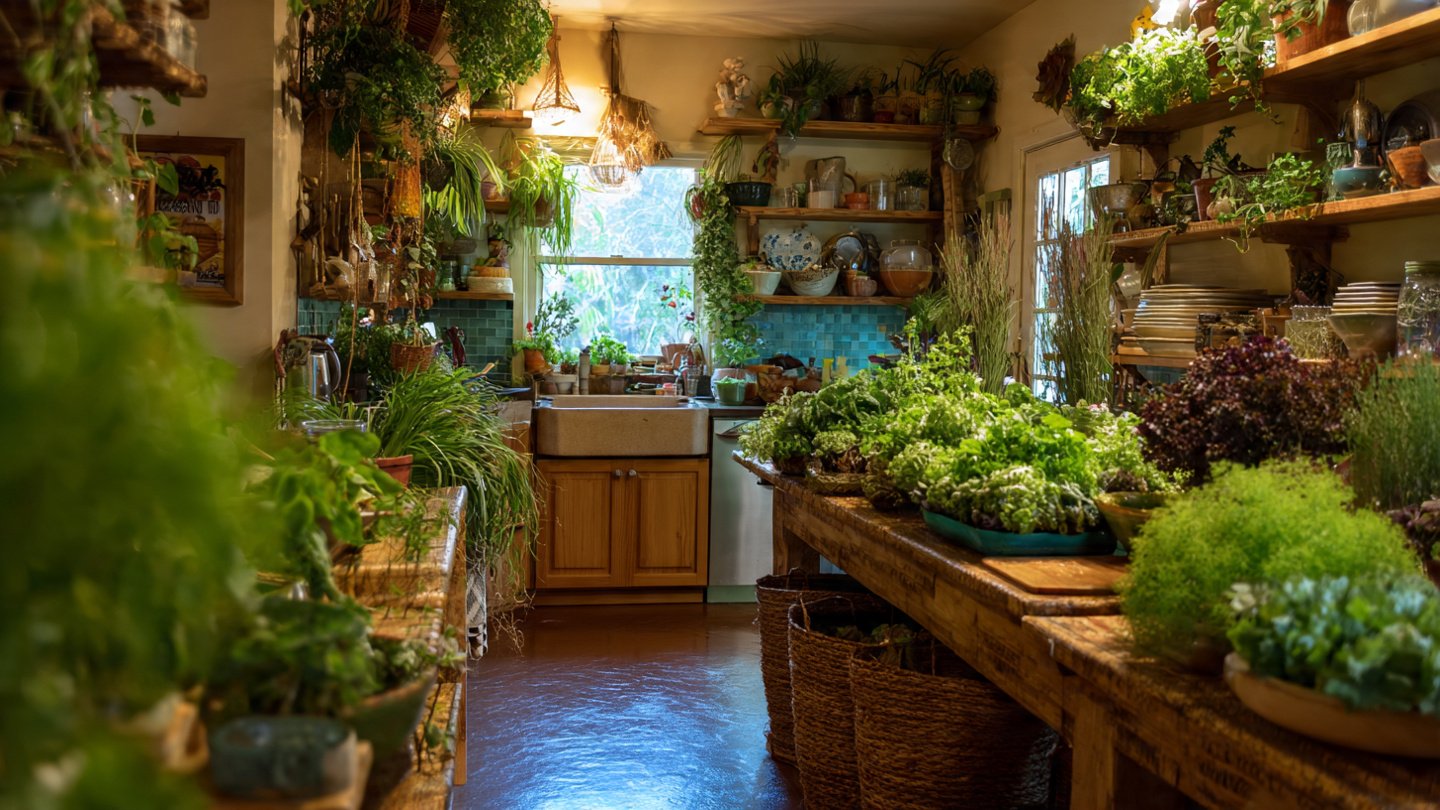
In recent years, gardening has witnessed a renaissance, with many people returning to the joys of growing their own food. Among the myriad of gardening techniques emerging, one stands out: no-till kitchen gardening. This approach has captured the imagination of urban gardeners, homesteaders, and eco-conscious individuals alike. But what makes no-till gardening the latest trend everyone can’t stop talking about? Let’s delve into the reasons behind its popularity, the science supporting it, and practical ways to implement it in your own kitchen garden.
Understanding No-Till Gardening
No-till gardening is a method that emphasizes minimal soil disturbance. Traditional gardening techniques often involve tilling the soil before planting, which can lead to several negative consequences, such as soil erosion, nutrient depletion, and disruption of beneficial microbiomes. No-till gardeners advocate for leaving the soil undisturbed, allowing natural processes to occur without human interference.
The Science Behind No-Till Gardening
The soil is a complex ecosystem teeming with life. Just a teaspoon of healthy soil can contain billions of microorganisms including bacteria, fungi, and protozoa. Tilling disrupts these organisms and the relationships they have with each other and the plants. Studies have shown that no-till gardening enhances soil structure, improves nutrient retention, and increases the diversity of soil life. By maintaining the soil’s integrity, gardeners can benefit from healthier plants and higher yields over time.
The Environmental Benefits
One of the primary reasons no-till gardening has gained traction is its positive impact on the environment. Here are some notable benefits:
1. Soil Health
No-till methods promote the formation of organic matter, known as soil aggregate. These aggregates enhance water retention and aeration, making it easier for plant roots to access nutrients. As compost and organic mulch naturally break down over time, they enrich the soil rather than deplete it, leading to healthier and more resilient plants.
2. Reduced Erosion
Traditional tilling can lead to soil erosion, especially in areas prone to heavy rain. No-till gardening helps keep the soil anchored in place, reducing the risk of erosion and preserving valuable topsoil.
3. Carbon Sequestration
Soil plays a crucial role in carbon sequestration, the process of capturing and storing atmospheric carbon dioxide. By adopting no-till practices, gardeners can contribute to climate change mitigation by facilitating the build-up of organic matter, which in turn sequesters carbon within the soil.
4. Biodiversity Conservation
By maintaining undisturbed soil, the habitat for various organisms is preserved, contributing to biodiversity. Beneficial insects and soil microorganisms thrive in a no-till environment, creating a natural balance that can reduce pest problems.
Health Benefits for Gardeners
Besides environmental advantages, no-till gardening can also benefit the gardener. It allows for a less physically demanding gardening experience by eliminating the need for extensive digging and tilling. This method is particularly appealing for those with physical limitations or older adults seeking to ease their gardening workload.
Additionally, by growing food in a no-till system, gardeners can produce nutrient-dense vegetables, herbs, and fruits, contributing to a healthier diet. The more flavorful produce tends to encourage a more vegetable-centric diet, which can enhance overall health.
Economic Benefits
No-till gardening also offers economic advantages for individuals and communities. Here are some key points to consider:
1. Lower Input Costs
With no-till gardening, the reliance on commercial fertilizers and herbicides decreases. Since the soil is healthier and richer in nutrients, gardeners often find they need fewer additional inputs. This can lead to significant cost savings over time.
2. Increased Yield
Healthy, undisturbed soil often translates to better yields. This is particularly attractive for community gardens or urban gardeners looking to maximize their growing space. If more food can be produced in a smaller area, it increases food security and offers fresh produce to local neighborhoods.
3. Greater Resilience
No-till systems can adapt better to climate variations, reducing the risk of crop failure due to extreme weather conditions. Resilient agricultural practices are increasingly important as we face changing climate patterns.
The Aesthetic Appeal of No-Till Gardens
No-till gardens can also be visually appealing. With the integration of organic mulch, compost, and cover crops, no-till gardens foster a lush, vibrant environment teeming with life. The aesthetic of a no-till garden challenges the traditional “weed-free” look of conventional gardens, presenting a more natural and wild beauty.
Getting Started with No-Till Kitchen Gardening
Embarking on your no-till gardening journey doesn’t require a complete overhaul of your existing gardening methods. Here are several simple steps to help you transition to a no-till garden:
1. Choose the Right Location
Start by selecting a location that receives plenty of sunlight and has good drainage. If you’re in an urban environment, consider vertical gardening or container gardening methods to maximize space.
2. Prepare the Soil
Instead of tilling, prepare your garden bed by laying down a thick layer of cardboard or newspaper to smother existing weeds and grass. Over this, add a generous layer of organic matter like compost or well-rotted manure, which will enrich the soil as it breaks down.
3. Mulch
Covering your garden beds with organic mulch (straw, grass clippings, wood chips, etc.) is vital in a no-till system. Mulch prevents weeds, retains moisture, and adds nutrients to the soil over time.
4. Planting Techniques
When planting, use a trowel or dibber to create holes in the soil or mulch rather than disturbing the soil structure. Space plants according to their needs for light and air circulation.
5. Crop Rotation and Companion Planting
Incorporate crop rotation and companion planting to enhance biodiversity and reduce pest problems. Certain plants can support each other by repelling pests or improving soil health.
6. Monitor and Adjust
Observe your garden’s performance and adjust your practices as needed. Keep a gardening journal to track what works best for you over the seasons.
The Future of No-Till Gardening
The trend of no-till kitchen gardening is set to expand as more people become aware of its benefits. Courses and workshops focusing on sustainable gardening practices are becoming increasingly available in community centers and online platforms, making it easier for individuals to learn and adapt these methods.
Moreover, as urban areas grow and more people seek food security, no-till gardening provides an accessible option for growing fresh produce without the need for expansive land. Cities and municipalities may start to encourage community no-till gardens to promote local food systems and enhance biodiversity in urban landscapes.
Conclusion: Why You Should Give No-Till Gardening a Try
No-till kitchen gardening is not just a fleeting trend; it represents a shift towards more sustainable, environmentally friendly practices that benefit our health, the earth, and local communities. With its myriad advantages—ranging from improved soil health and biodiversity to personal health benefits—this gardening method is accessible to anyone willing to embrace a new way of producing food.
As you consider making the transition to no-till gardening, remember that each small change contributes to a larger movement towards sustainable living. Whether you’re an experienced gardener or just starting out, adopting no-till principles can help you grow a beautiful and productive kitchen garden for years to come. It’s not just about gardening; it’s about cultivating a sustainable future.