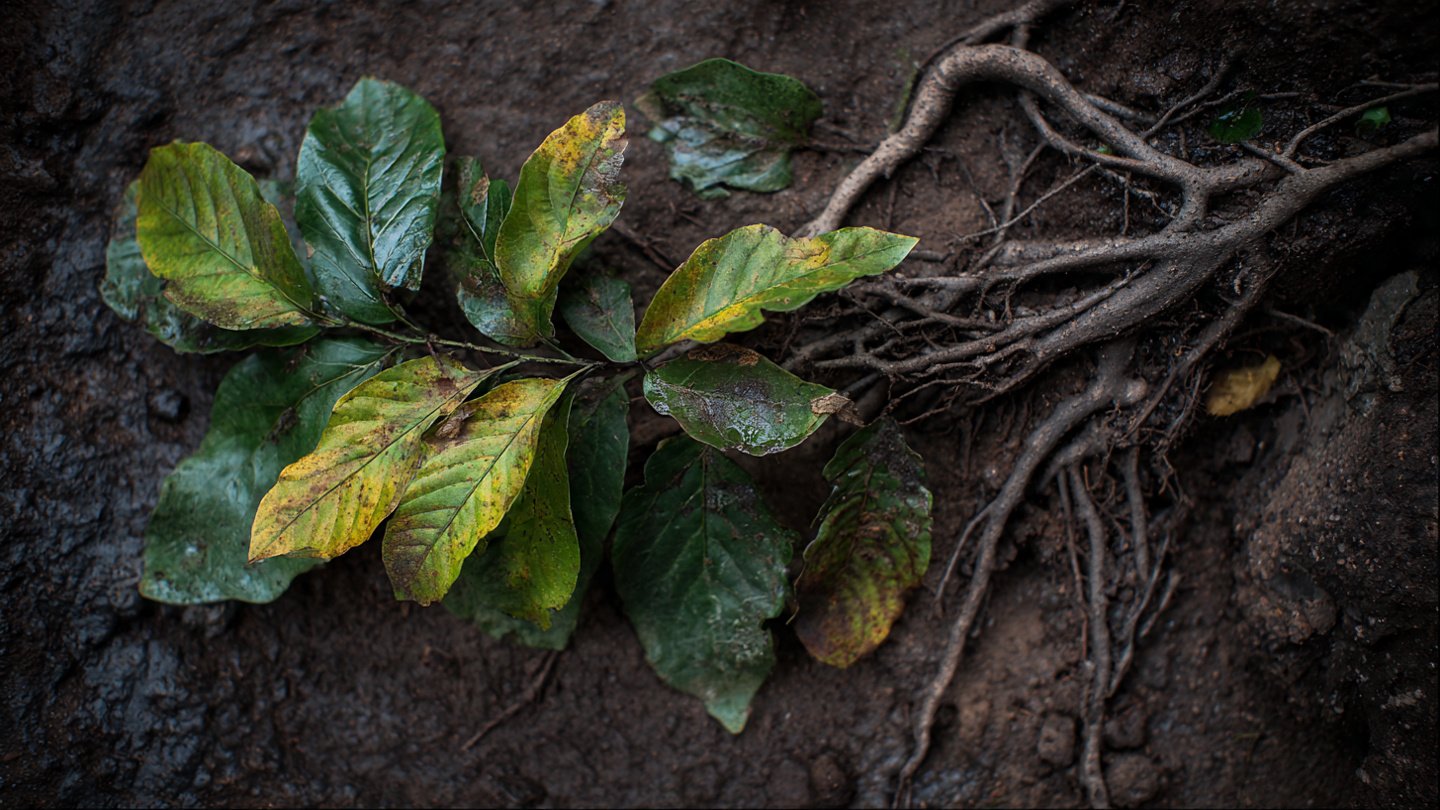
Understanding the relationship between the leaves and the roots of a plant can provide invaluable insights into its overall health. Wilted leaves are a common sign of distress, often serving as the first indication that something is amiss. While the leaves might be the first to show signs of trouble, the underlying cause usually lies below the surface—within the roots. Examining wilted leaves can reveal vital information about the plant’s root system and help diagnose issues promptly. This article delves into the secrets revealed by wilted leaves, the importance of the roots, and how to remedy problems identified through observation.
The Vital Role of Plant Roots
Roots are essential for a plant’s survival, providing stability, nutrient absorption, and water uptake. They anchor the plant, allowing it to withstand environmental stresses. Roots also serve as a communication network, sharing nutrients and signals with the leaves and other parts of the plant.
Key Functions of Roots
- Water Absorption: Roots absorb moisture needed for photosynthesis and overall plant health.
- Nutrient Uptake: Roots gather essential minerals and nutrients from the soil to support growth and development.
- Anchorage: Roots provide physical support, keeping the plant stable in changing environmental conditions.
- Storage: Some roots store energy in the form of starch, which can be tapped into during periods of stress.
Understanding Wilted Leaves
When leaves begin to wilt, it is often due to a lack of water, nutrients, or other environmental stressors. Wilted leaves can also indicate root issues, making it essential to examine both the foliage and the roots for a comprehensive diagnosis.
Common Causes of Wilted Leaves
- Underwatering: Insufficient water leads to dehydration in leaves, causing them to droop and wilt.
- Overwatering: Excess water can suffocate roots, impeding oxygen absorption and leading to root rot.
- Nutrient Deficiencies: A lack of essential nutrients such as nitrogen, potassium, or magnesium can lead to wilting.
- Pest Infestation: Certain pests can damage leaves or roots, causing wilting as the plant struggles to absorb nutrients and water.
- Environmental Stress: Extreme temperatures, high winds, or transplant shock can also result in wilting leaves.
What Wilted Leaves Reveal About Roots
Each type of wilting provides clues about the condition of the roots. Understanding these connections can guide effective interventions to restore the health of the plant.
1. Underwatering and Root Health
If leaves are wilting and drying out, it often signals that the roots do not have enough water to draw up. Underwatering leads to stress, affecting the plant’s ability to function properly. In this case, the roots may not be deep enough to access moisture or may be damaged, limiting their capacity to absorb water.
2. Overwatering and Root Rot
Conversely, if the soil is too saturated and the leaves are wilting, it may be an indication of root rot. Overwatering deprives roots of necessary oxygen, causing them to decay. This creates a vicious cycle where wilted leaves lead to further root deterioration, making recovery more challenging.
3. Nutrient Deficiencies and Poor Root Function
Wilted leaves can sometimes reflect nutrient deficiencies caused by poor root health. If roots are not functioning optimally due to damage or disease, they may not be able to absorb nutrients effectively. This manifests as wilting and discoloration in the leaves.
4. Pest Damage and Root Stress
Leaf wilting due to pest damage often points to issues with the roots. Pests can attack roots, causing physical damage and stress that affects the entire plant. Identifying and eliminating pests can help restore both the leaves and the roots to health.
Diagnosing Plant Issues Through Observation
To effectively diagnose a plant’s problems through its leaves and roots, follow these steps:
- Inspect the Leaves: Look for signs of wilting, discoloration, or damage. Healthy leaves should be vibrant and firm.
- Examine the Soil: Check the moisture level of the soil. Should it be too dry or overly wet?
- Assess Root Health: If possible, gently remove the plant from its pot to inspect the roots. Healthy roots should be white or light tan; brown or mushy roots indicate problems.
- Check for Pests: Inspect both leaves and roots for signs of pest infestation. Look for discolored spots or tiny holes.
- Consider Environmental Factors: Evaluate factors such as temperature, sunlight, and wind exposure that might be affecting the plant.
Restoring Plant Health
Once you have identified the issues affecting the plant, it’s crucial to take corrective measures to restore its health:
1. Adjust Watering Practices
Ensure your watering regimen aligns with the plant’s needs. You may need to create a more consistent schedule or modify your approach based on soil conditions.
2. Improve Soil Drainage
If overwatering is a concern, consider amending the soil with perlite or sand to improve drainage, or repot the plant in fresh, well-draining soil.
3. Address Nutrient Deficiencies
Fertilize with a balanced, slow-release fertilizer to provide essential nutrients. However, avoid over-fertilizing, which can also stress the roots.
4. Pest Management
Eliminate pests with appropriate treatments. Natural insecticides or neem oil can be effective and less harmful to beneficial insects.
Conclusion
Wilted leaves serve as a visual cue that can reveal critical information about the underlying health of a plant’s roots. By understanding the relationship between wilting and root health, gardeners can effectively diagnose issues and implement remedies that promote overall plant vitality. Caring for both the leaves and the roots ensures a thriving, healthy plant capable of withstanding environmental challenges. By taking the time to observe and address the signals from wilted leaves, you can unlock the secrets hidden beneath the surface, ultimately fostering a more resilient and flourishing garden.
FAQs
1. What causes my plant’s leaves to wilt?
Leaves can wilt for several reasons, including underwatering, overwatering, nutrient deficiencies, pest attacks, or environmental stress. Observing the overall health of the plant helps identify the root cause.
2. How can I tell if my roots are healthy?
Healthy roots appear white or light tan and feel firm. Brown or mushy roots indicate problems such as rot. If possible, gently remove the plant from its pot to inspect the root system.
3. Can I save a plant with wilted leaves?
Yes, identifying the cause of wilting and taking corrective action can often save a plant. Adjusting watering methods, enhancing soil drainage, or addressing pest issues can help restore health.
4. Is it possible for a plant to recover from root rot?
Yes, if caught early, removing the affected roots and repotting the plant in fresh, well-draining soil can help. However, severe cases may lead to irreversible damage.
5. How often should I water my plants to avoid wilting?
Watering frequency depends on the plant species, soil type, and environmental conditions. It is crucial to check the soil’s moisture level and water only when the top inch feels dry.