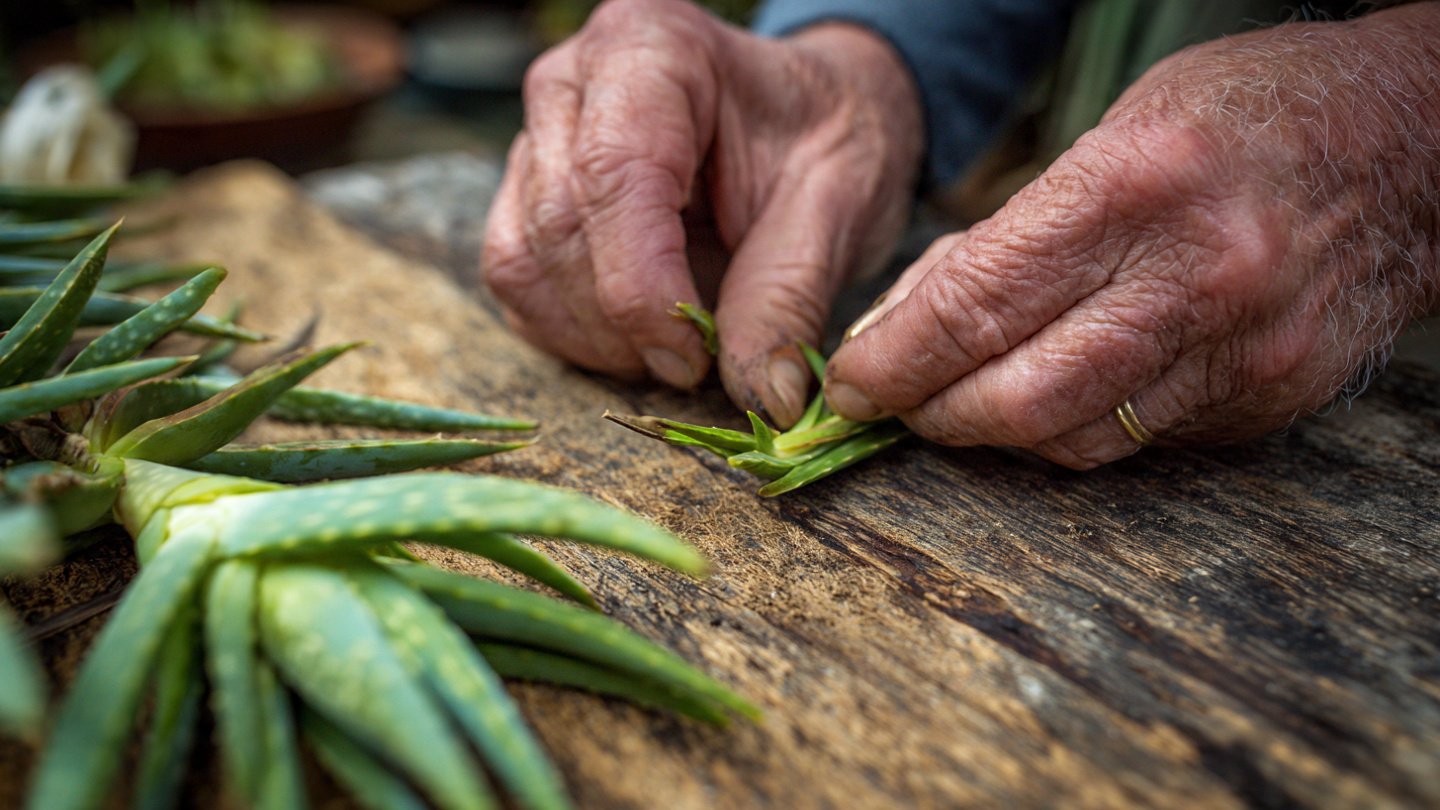
Aloe vera has long been prized for its medicinal and skincare properties. However, an interesting trend has emerged in the gardening community: the use of this versatile plant on hardwood cuttings. Gardeners are discovering the potential benefits of applying aloe vera to enhance root development and improve overall plant health. This article explores why aloe vera is becoming a go-to solution for those propagating hardwood plants and how it can benefit your gardening efforts.
Understanding Hardwood Cuttings
Hardwood cuttings are sections of wood taken from a plant during its dormant season, typically in late fall or winter. This method is popular for propagating many woody plants and shrubs. Unlike softwood cuttings, which are taken from green, soft growth, hardwood cuttings are more resilient and can be successfully rooted, provided that the right conditions are met.
Why Use Aloe Vera?
Aloe vera contains a plethora of beneficial properties that contribute to its rising popularity among gardeners, particularly when used with hardwood cuttings. Here are several reasons why gardeners rub aloe vera on their cuttings:
1. Natural Rooting Hormone
Aloe vera is rich in auxins and gibberellins, which are natural plant hormones that promote rooting. These hormones stimulate the growth of new roots, making it easier for cuttings to establish themselves. By applying aloe vera to hardwood cuttings, gardeners can mimic these natural processes.
2. Antimicrobial Properties
One of the primary concerns when propagating cuttings is the risk of disease. Aloe vera has natural antimicrobial properties that can help prevent infection. By creating a protective layer over the cut surface, aloe can safeguard against pathogens that typically attack freshly cut plant tissue.
3. Moisture Retention
Cuttings often face dehydration, especially if they are not kept in optimal humidity. Aloe vera gel is an excellent moisture retainer, which can help keep the cuttings hydrated. This is particularly critical for hardwood cuttings that may have a lower moisture content than their softer counterparts.
4. Nutrient-Rich Composition
Aloe vera contains a variety of vitamins, enzymes, and amino acids that can contribute to plant health. When rubbed on hardwood cuttings, these nutrients can provide a boost to the plant as it attempts to root. This added nutrition can lead to more vigorous growth in the initial rooting stages.
How to Use Aloe Vera on Hardwood Cuttings
Using aloe vera for hardwood cuttings is straightforward. Here’s a step-by-step guide:
Step 1: Prepare Your Cuttings
Take your hardwood cuttings from a healthy plant, ensuring they are between 6-12 inches long. Remove any leaves from the lower portion to prevent rot.
Step 2: Extract the Aloe Vera Gel
Cut a leaf from an aloe vera plant and scoop out the gel. Make sure to use fresh gel for the best results.
Step 3: Apply the Aloe Vera Gel
Dip the cut end of your hardwood cuttings into the aloe vera gel. Ensure that the cut surface is well-coated.
Step 4: Plant the Cuttings
Plant the treated cuttings in a suitable growing medium, ensuring they are buried deep enough to remain stable. A mixture of perlite and peat can work well.
Step 5: Care and Monitoring
Keep the cuttings in a warm, humid environment to encourage rooting. Monitor moisture levels regularly—this is crucial for successful propagation.
Conclusion
Rubbed on hardwood cuttings, aloe vera offers a natural, effective way to enhance rooting, prevent disease, and retain moisture. Its nutrient-rich composition provides various benefits that can significantly improve the success rate of propagation efforts. By incorporating aloe vera into your gardening routine, you not only utilize a time-tested plant for its benefits but also engage in a sustainable practice that enhances your garden’s vitality.
FAQs
Q1: Can I use store-bought aloe vera gel instead of fresh?
A1: While fresh aloe vera gel is recommended for its potency, store-bought gels can be used. Just ensure they contain minimal additives.
Q2: How long should I wait before checking for new roots?
A2: Generally, hardwood cuttings may take several weeks to a few months to root. Check carefully after 4-6 weeks.
Q3: Can I use aloe vera on softwood cuttings as well?
A3: Yes, aloe vera can be used on softwood cuttings too. It provides similar benefits in terms of rooting and disease prevention.
Q4: Are there any plants that should not have aloe vera applied?
A4: Most plants benefit from aloe vera, but it’s always best to research specific species to ensure there are no adverse reactions.
Q5: How often should I reapply aloe vera during the rooting process?
A5: It’s typically adequate to apply aloe vera once when planting. However, you can mist the cuttings with aloe vera mixed with water for ongoing moisture.