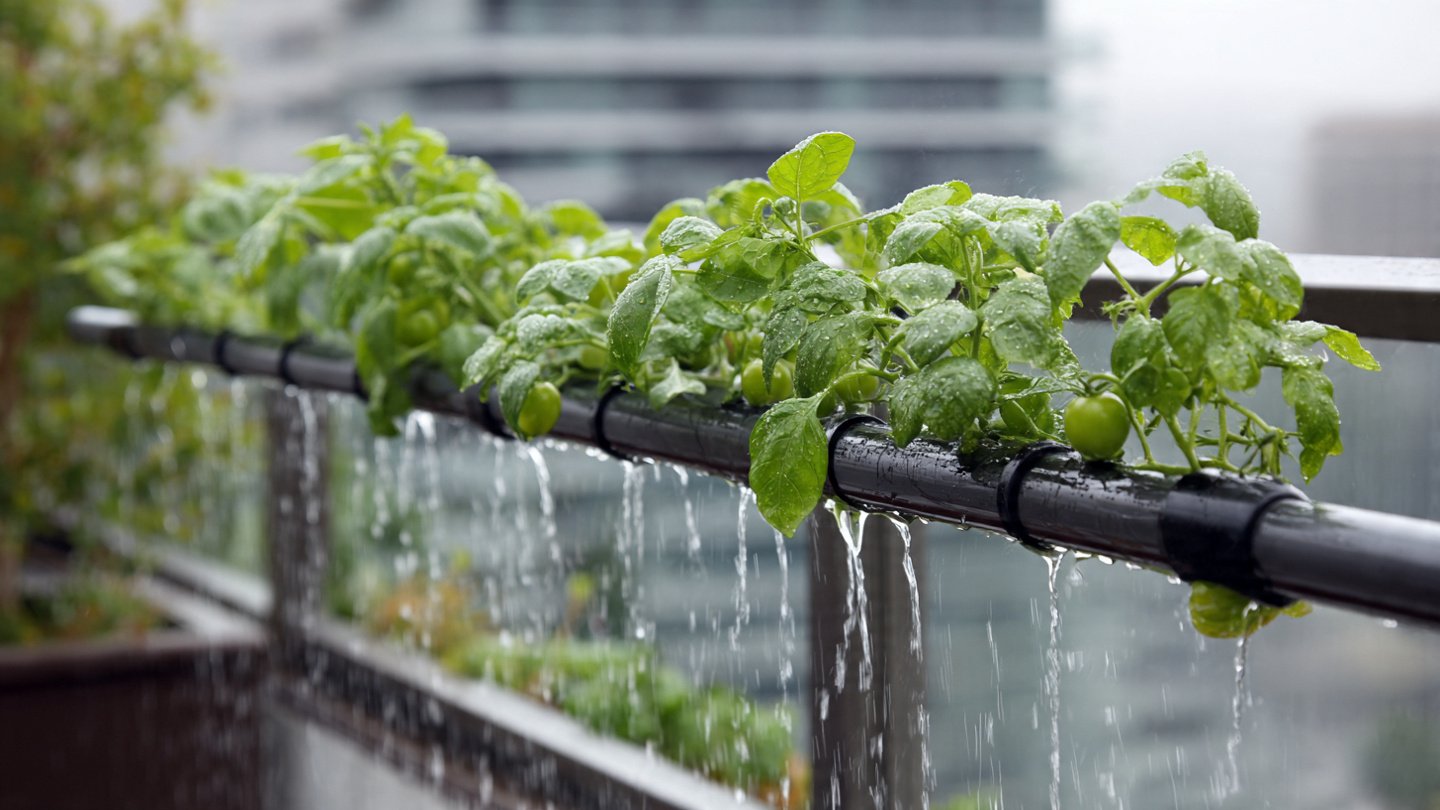
In our ever-evolving urban landscape, high-rise buildings dominate the skyline, often leaving little room for traditional gardening. However, the growing awareness of sustainability and the demand for green spaces in urban environments are pushing innovative solutions to the forefront. One such solution is drip irrigation, a technology that is increasingly becoming indispensable for urban gardening, particularly in heat-prone areas.
The Challenges of Urban Gardening in High-Rise Heat
Urban gardening faces unique challenges due to limited space, harsh environmental conditions, and the need for efficient water management. High-rise buildings can create microclimates that intensify heat, leading to challenges such as:
- Limited Space: Urban dwellers often do not have access to large plots of land. Balconies, rooftops, and even small garden beds become the only viable options for gardening.
- Water Scarcity: Many urban areas experience water shortages, making it harder for traditional gardening methods to survive. The need for water-efficient solutions becomes critical.
- Heat Stress: High-rise environments can amplify temperatures, making it difficult for plants to survive. The excess heat can lead to increased evaporation rates, meaning gardeners must provide water more frequently.
- Soil Limitations: The soil in urban settings can be poor in quality and difficult to amend, presenting further challenges to successful gardening.
Given these challenges, the introduction of a dedicated drip irrigation kit tailored for high-rise gardening can revolutionize how urban dwellers approach gardening, making it easier and more efficient.
What is Drip Irrigation?
Drip irrigation is a form of micro-irrigation that delivers water directly to the plant’s root zone, minimizing evaporation and runoff. It utilizes a system of tubing, emitters, and connectors to provide a steady supply of water, ensuring that plants receive the necessary moisture without waste. Unlike traditional overhead irrigation systems, drip irrigation can be installed vertically and is compact enough to fit into small spaces, making it ideal for high-rise gardening.
Key Features of the Drip Irrigation Kit
- Customization: Most drip irrigation kits are customizable, allowing gardeners to tailor the system to suit different types of plants and varying layouts. This flexibility is crucial for balcony gardens, where plants may have different water requirements.
- Smart Technology: Many modern drip irrigation kits come with smart technology, which allows users to monitor soil moisture levels and adjust the water supply accordingly. This feature is particularly useful in high-rise environments where temperature fluctuations can be drastic.
- Ease of Installation: Many drip irrigation systems are designed for easy installation, often requiring minimal tools and expertise. This ease of use is essential for urban gardeners who may not have extensive gardening experience.
- Water Efficiency: Drip irrigation can reduce water usage by up to 70% compared to traditional irrigation methods. This not only conserves water but also cuts down on utility bills, making it an economically viable option for urban gardeners.
- Reduced Weed Growth: By delivering water directly to the roots, drip irrigation minimizes water contact with the soil surface, reducing the likelihood of weed growth. This allows urban gardeners to maintain healthier plants with less competition for nutrients and water.
- Fertilizer Applicability: Drip systems can be used to apply fertilizers directly to the root zone, ensuring that nutrients are available where they are needed most. This efficient fertilization method is critical for maximizing yields in limited spaces.
How Drip Irrigation Can Help Mitigate Urban Heat
- Reduced Evaporation: Urban heat magnifies evaporation rates. Drip irrigation helps mitigate this by delivering water directly to the roots, ensuring that plants receive hydration without excessive loss.
- Temperature Regulation: Watering efficiently can keep soil temperatures lower, which helps plants manage heat stress. A cooler root zone can lead to healthier plants that are more resilient to environmental stresses.
- Microclimate Creation: By creating lush green spaces with effective irrigation systems, urban gardeners can improve local microclimates. Plants release moisture into the air, creating a cooling effect that can mitigate the harsh heat of surrounding buildings.
- Biodiversity Support: Drip irrigation allows for the cultivation of a diverse range of plants, including native species that can thrive in urban heat. This diversity can support local wildlife and enhance urban biodiversity.
- Enhanced Accessibility: Drip irrigation can be designed for rooftop gardens and balconies, making gardening accessible to those who may not have traditional garden spaces. This increased accessibility allows more urban residents to engage in sustainable practices.
Real-World Applications and Success Stories
- Urban Rooftop Gardens: Many cities around the world have seen the rise of rooftop gardens that employ drip irrigation systems. These gardens not only contribute to the green cover but also help in reducing the urban heat island effect. For instance, the rooftop garden on the VanDusen Botanical Garden in Vancouver employs drip irrigation to sustain its diverse plant collection in a high-heat environment.
- Community Gardens: Urban community gardens are adopting drip irrigation to efficiently manage water resources. Such gardens in cities like Detroit and Los Angeles, which face water scarcity, have successfully utilized drip systems to maintain crops, providing fresh produce for local residents.
- Vertical Farming: Vertical farms are emerging as a sustainable solution for urban food production. By integrating drip irrigation systems, these farms can optimize water use, boost yields, and create food security even in densely populated areas.
Steps to Implement Drip Irrigation in High-Rise Gardens
- Assess Your Space: Before starting, assess the available space and the specific plant needs. Make a list of your plants and their water requirements.
- Choose a Drip Irrigation Kit: Select a kit that best suits your garden’s layout and your plants’ needs. Ensure that it includes customizable components to adapt to your specific scenario.
- Installation: Follow the instructions for installation carefully. Many kits come with easy-to-follow guides. Ensure that your system reaches all plants while keeping the layout efficient.
- Monitor Soil Moisture: Use moisture sensors or check the soil manually to ensure even watering. Adjust the irrigation settings as needed, especially during extreme heat conditions.
- Regular Maintenance: Check regularly for clogs and leaks. Maintaining the system is crucial for long-term success.
- Integrate with Other Sustainable Practices: Pair your drip irrigation system with rainwater harvesting or composting to enhance sustainability and efficiency in your gardening practices.
Conclusion
As urban environments continue to grow, the importance of sustainable gardening solutions becomes more pressing. Drip irrigation offers a revolutionary approach to gardening in high-rise heat, providing water-efficient, customizable, and easy-to-install systems that allow urban dwellers to cultivate lush green spaces. By embracing this technology, we can not only transform our immediate environments but also contribute to a broader movement toward sustainability in urban living.
With the right tools and knowledge, gardening in high-rises can become not only possible but also flourishing, turning these concrete jungles into vibrant, green ecosystems. The future of urban gardening is bright, efficient, and wet—thanks to drip irrigation.