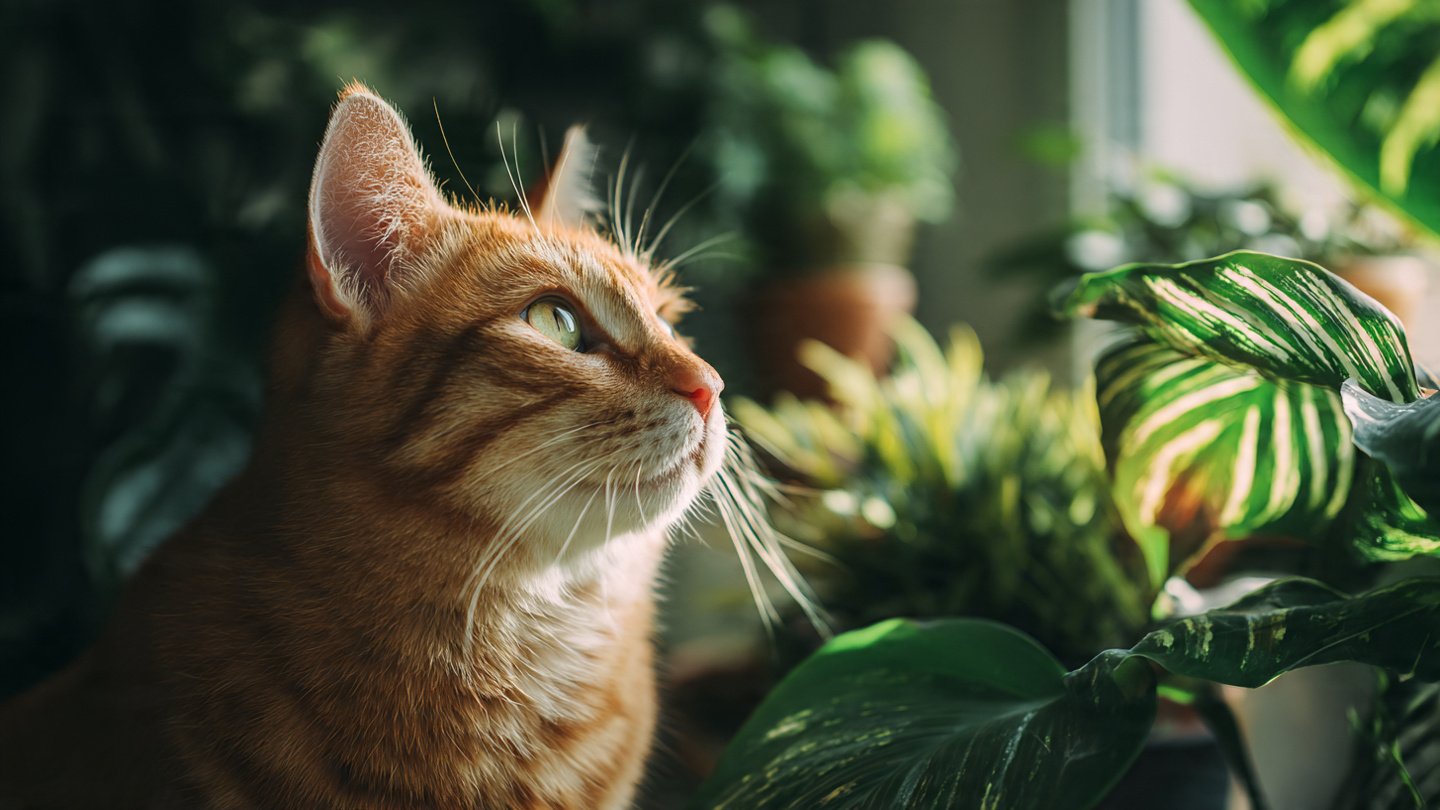
What Are the Top Pet Safe Plants That Apartment Dwellers with Curious Cats Should Consider?
For cat owners, creating a green sanctuary in their apartments can be a delightful endeavor. However, ensuring that these plants are safe for curious felines is paramount. Many common houseplants can be toxic to cats, leading to various health issues. This article explores pet-safe plants that not only enhance your living space but also keep your furry friends safe and sound.
Understanding Cat Behavior and Plant Interactions
Cats are naturally curious creatures, often intrigued by the movement of leaves, the smell of soil, and the texture of various plants. They might nibble on leaves or dig in pots, which can sometimes lead to unforeseen accidents with toxic species. Therefore, choosing plants that are non-toxic to cats is essential for a harmonious home.
Benefits of Having Indoor Plants
Before diving into the list, let’s discuss why having plants in your home, especially for apartment dwellers, is beneficial:
Air Quality Improvement: Many indoor plants can effectively filter toxins from the air, contributing to a healthier living environment.
Aesthetic Appeal: Plants add beauty and warmth to any space, enhancing the overall ambiance of your apartment.
Stress Reduction: Interacting with plants has been shown to reduce stress and improve mood, providing a calming effect in urban settings.
Natural Humidifiers: Plants release moisture into the air, which can combat the dry atmosphere often found in apartments.
With these benefits in mind, let’s explore the top pet-safe plants ideal for cat owners.
Top Pet-Safe Plants for Apartment Dwellers
1. Spider Plant (Chlorophytum comosum)
Overview: The spider plant is a popular houseplant known for its arching leaves and prolific “pups.”
Care Requirements: Thrives in bright, indirect sunlight but can tolerate lower light conditions. Water it when the soil is dry.
Why It’s Safe: Non-toxic to cats, making it an excellent choice for curious felines who may want to play with its dangling leaves.
2. Boston Fern (Nephrolepis exaltata)
Overview: This lush fern adds a jungle vibe to any apartment. Its feathery fronds can create a beautiful cascading effect.
Care Requirements: Prefers high humidity and indirect light. Keep the soil moist but not soggy.
Why It’s Safe: Boston ferns are non-toxic to cats and help increase humidity, which is beneficial for both plants and pets.
3. Areca Palm (Dypsis lutescens)
Overview: Also known as the butterfly palm, areca palms make a stunning statement with their tall, feathery fronds.
Care Requirements: Prefers bright, indirect light and needs to be watered regularly to maintain moist soil.
Why It’s Safe: This plant is safe for cats and can also help purify the air in your apartment.
4. Calathea (Calathea spp.)
Overview: Known for their stunning leaf patterns and colors, calatheas thrive indoors and can stick to a low-light setting.
Care Requirements: Prefers high humidity and indirect sunlight. Keep the soil consistently moist, but not waterlogged.
Why It’s Safe: Calatheas are non-toxic to cats, making them a great safe choice for plant lovers.
5. Bamboo Palm (Chamaedorea seifrizii)
Overview: Bamboo palms are elegant and perfect for apartment living, providing a tropical feel without taking up too much space.
Care Requirements: Prefers indirect light and regular watering, ensuring the soil remains moist but not drowning.
Why It’s Safe: Non-toxic to cats and effective at filtering out toxins from the air.
6. Parlor Palm (Chamaedorea elegans)
Overview: This plant is ideal for beginners due to its resilience and adaptability.
Care Requirements: Thrives in low light and only requires occasional watering, making it a low-maintenance option.
Why It’s Safe: Parlor palms are non-toxic to cats, ensuring safety while offering a classic touch to your décor.
7. Ponytail Palm (Beaucarnea recurvata)
Overview: Featuring a unique swollen trunk and long, curly leaves, the ponytail palm is both striking and easy to maintain.
Care Requirements: Prefers bright, indirect light and minimal watering—allow the soil to dry out between waterings.
Why It’s Safe: Cats can nibble on ponytail palms without fear of toxicity.
8. Spiderwort (Tradescantia spp.)
Overview: Spiderworts showcase lovely trailing vines and colorful blooms.
Care Requirements: Best grown in bright, indirect light and watered when the top inch of soil dries out.
Why It’s Safe: Safe for cats, these plants are also resilient and easy to propagate.
9. Christmas Cactus (Schlumbergera spp.)
Overview: This beautiful flowering plant adds color during the holiday season and is relatively easy to care for.
Care Requirements: Thrives in bright, indirect light and requires watering about once every 2-3 weeks.
Why It’s Safe: Non-toxic to cats, making it a festive addition that won’t harm your furry friend.
10. Friendship Plant (Pilea involucrata)
Overview: Known for its unique texture and easy care, the friendship plant is a charming addition to your home.
Care Requirements: Prefers indirect light and requires regular watering, especially in the growing season.
Why It’s Safe: This plant is not toxic to cats, allowing you to enjoy its beauty without concern.
11. Peperomia (Peperomia spp.)
Overview: With its diverse shapes and colors, peperomia plants are perfect for apartment dwellers with limited space.
Care Requirements: Prefers moderate to bright indirect light and requires infrequent watering.
Why It’s Safe: Peperomia varieties are non-toxic to cats, allowing for a pet-friendly green space.
12. Rattlesnake Plant (Calathea lancifolia)
Overview: Known for its striking leaf patterns, the rattlesnake plant adds visual interest to any corner of your home.
Care Requirements: Thrives in indirect sunlight with consistent moisture in the soil.
Why It’s Safe: This plant is cat-friendly and can make a lovely statement piece in your living room.
Tips for Keeping Cats Safe Around Plants
While the above plants are safe for cats, there are still some precautions you can take to ensure your furry friends stay safe:
Placement Matters: Elevate your plants if possible, placing them on shelves or hanging planters, to keep them out of reach.
Provide Alternatives: Offer cat-safe grass or catnip as an alternative to satisfy your cat’s curiosity about plants.
Monitor Their Behavior: Pay attention to your cat’s interactions with plants to ensure they’re not overindulging in nibbling.
Educate Yourself: Be aware of potentially toxic plants and keep them out of your home to avoid accidents.
Create a Plant-Friendly Environment: Designate a specific area in your apartment for plants and encourage your cat to explore other safe areas.
Conclusion
Creating a vibrant indoor oasis is possible even for cat owners. By selecting pet-safe plants, you can enrich your living space with greenery while ensuring your curious feline remains unharmed. The plants listed here are not only easy to care for, but they also contribute to a healthier, happier home environment.
Incorporate these plants into your decor to create a safe and beautiful space for both you and your beloved cat. Happy gardening!