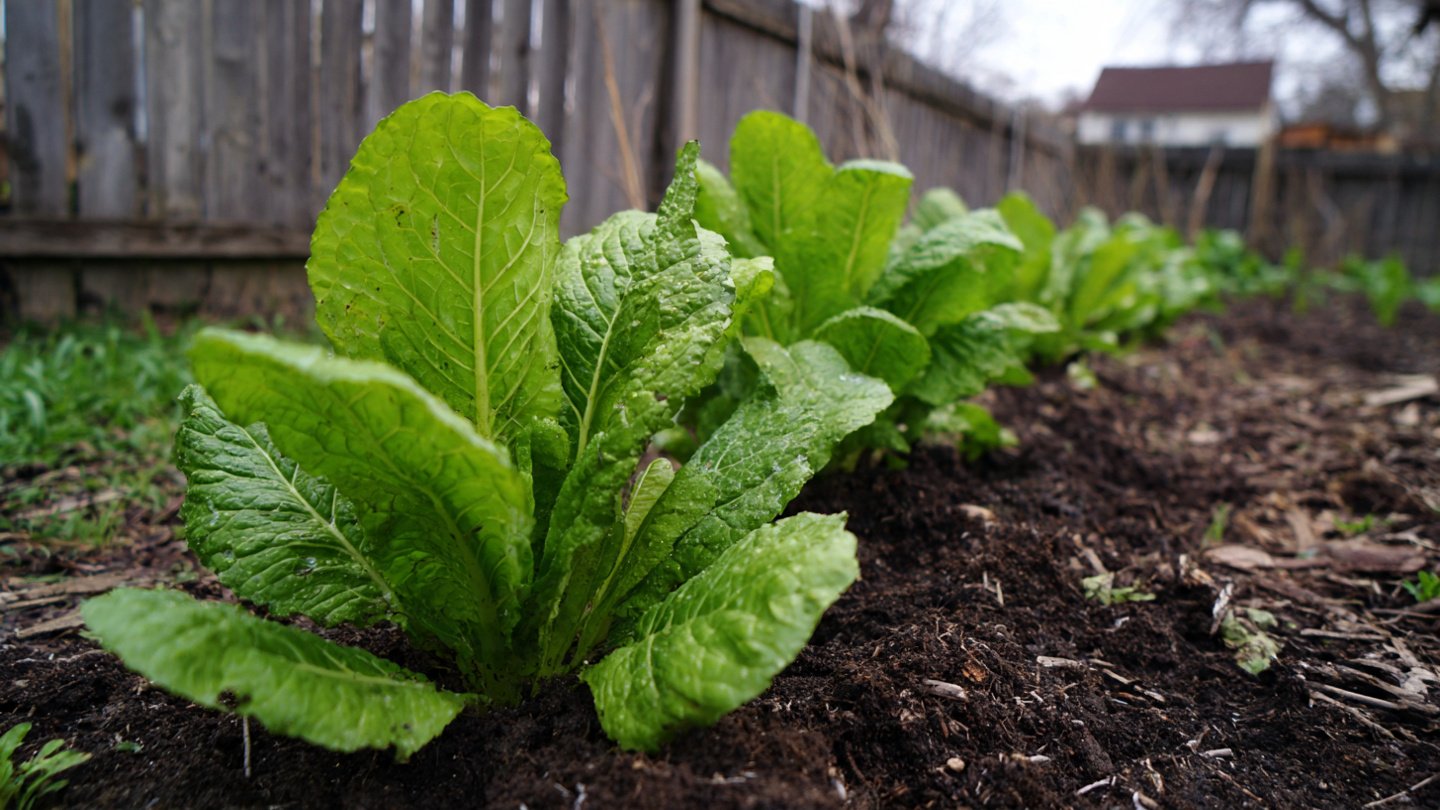
Gardening is an art and science that entails understanding the ecosystem and creating a balance that nurtures plants while naturally deterring pests. One ingenious strategy that seasoned gardeners often employ is the concept of “sacrificial crops.” Among these, mustard greens stand out as a fantastic option. This article explores why you should consider a sacrificial row of mustard greens in your garden, discussing their benefits for pest management, soil health, and overall biodiversity.
1. Understanding Sacrificial Crops
Sacrificial crops are selected and planted deliberately to draw pests away from primary crops. The idea is simple: you plant a row of plants that pests prefer, thereby safeguarding your main harvest. In doing so, you’re providing a decoy that keeps the pests occupied, minimizing their impact on the more valuable crops.
Mustard greens (Brassica juncea), with their pungent aroma and vibrant greens, make excellent sacrificial crops for a variety of reasons which we will delve into further.
2. Pest Deterrent Properties
2.1. Natural Repellents
Mustard greens belong to the Brassica family, which includes other vegetables like kale, broccoli, and cabbage. The family is known for producing compounds called glucosinolates, which can deter a range of pests like aphids, beetles, and caterpillars. When planted as sacrificial crops, mustard greens can effectively divert these pests, reducing their presence around your more valuable crops.
2.2. Attracting Beneficial Insects
An additional benefit is that mustard greens can attract beneficial insects like ladybugs and lacewings, which prey on pests. This not only helps mitigate the pest population but also fosters a healthier ecosystem within your garden. The more diverse the insect population, the better the natural pest control, reducing the need for chemical interventions.
3. Enhancing Soil Health
3.1. Nutrient Enrichment
Mustard greens are fast-growing and can mature quickly, which means they can be turned into green manure once they start to flower. When tilled into the soil, these greens decompose and add valuable nutrients, particularly nitrogen, back into the soil. This is particularly convenient if you plan to plant heavy feeders, like tomatoes or corn, in the same soil later on.
3.2. Soil Structure
The robust root system of mustard greens helps break up compacted soil and improves aeration. This is important for root development in subsequent crops and helps retain moisture, thereby reducing irrigation needs in the following growing seasons.
3.3. Erosion Control
Mustard greens can also be instrumental in controlling soil erosion. Their ground cover protects the upper layer of soil from wind and water erosion, maintaining not only soil quality but also the overall structure of your garden plot.
4. Biodiversity and Crop Rotation
4.1. Promoting Biodiversity
Diversity in the garden is crucial for a slew of ecological reasons. By introducing mustard greens as a sacrificial row, you’re encouraging a range of biological interactions. The more diverse your plants, the less likely it is that a single pest will thrive and ruin your crop.
4.2. A Tool for Crop Rotation
Incorporating mustard greens aligns with the principles of crop rotation. Rotating different types of crops can help prevent soil depletion and control pests and weeds. By including mustard greens, you can disrupt the life cycles of pests associated with your primary crops, thereby improving yields in subsequent seasons.
5. Nutritional Benefits
Aside from their agricultural advantages, mustard greens are rich in vitamins, minerals, and healthful compounds. This makes them not only a useful tool for pest management but also an excellent addition to your own kitchen.
5.1. Rich in Nutrients
Mustard greens are a powerhouse of nutrients, containing significant amounts of vitamins A, C, and K, along with antioxidants that contribute to overall health. As a gardener, you can take advantage of this by cultivating a crop that is both beneficial to your soil and to your diet.
5.2. Culinary Versatility
Mustard greens can be used in a variety of dishes, from salads to stir-fries. Their peppery flavor can add zest to many meals, making them a welcome addition to your home-cooked dishes.
6. Cost-Effectiveness and Accessibility
One of the most compelling reasons to consider a row of mustard greens as sacrificial crops is their low cost and accessibility.
6.1. Economical Options
Mustard seeds are relatively inexpensive, making it an economical choice for home gardeners on a budget. The quick growth rate also allows for multiple harvests in a single growing season, maximizing yield without draining your resources.
6.2. Easy to Grow
Mustard greens are forgiving plants that require minimal upkeep. They thrive in various soil conditions and adapt well to both garden plots and containers. This makes them an ideal crop for novice gardeners or those with limited space.
7. Combining Aesthetics with Function
Gardening is as much about aesthetics as it is about function. The vibrant green leaves of mustard greens can add a visually appealing layer to your garden’s landscape.
7.1. Color and Texture
Mustard greens can bring color and texture to your garden, especially when interplanted with flowering plants. This aesthetic appeal can create a more inviting outdoor space while still fulfilling a functional role as a sacrificial crop.
7.2. Seasonal Interest
Their rapid growth and seasonal nature mean that mustard greens can fill gaps in your garden, providing visual interest during different stages of growth.
8. A Sustainable Gardening Practice
Finally, incorporating sacrificial rows of mustard greens aligns perfectly with sustainable gardening practices.
8.1. Reducing Chemical Use
By attracting beneficial insects and mitigating pest populations naturally, you can reduce or even eliminate the need for chemical pesticides. This leads to a healthier garden environment and less impact on surrounding ecosystems.
8.2. Supporting Ecosystem Health
By promoting plant diversity and insect populations, mustard greens can contribute positively to the overall ecosystem of your garden, resulting in a more robust and self-sustaining environment.
Conclusion
Adding a sacrificial row of mustard greens to your garden can bring numerous benefits that extend beyond mere pest control. From enriching soil health and improving biodiversity to enhancing your kitchen experience with nutritious greens, mustard greens serve multiple roles in the garden ecosystem. They are an easy-to-grow, cost-effective solution that aligns with sustainable practices while delivering aesthetic value.
Whether you are a seasoned gardener or just starting, the inclusion of mustard greens in your planting plan is a choice worth considering. Embrace the power of these vibrant greens, and watch your garden thrive!