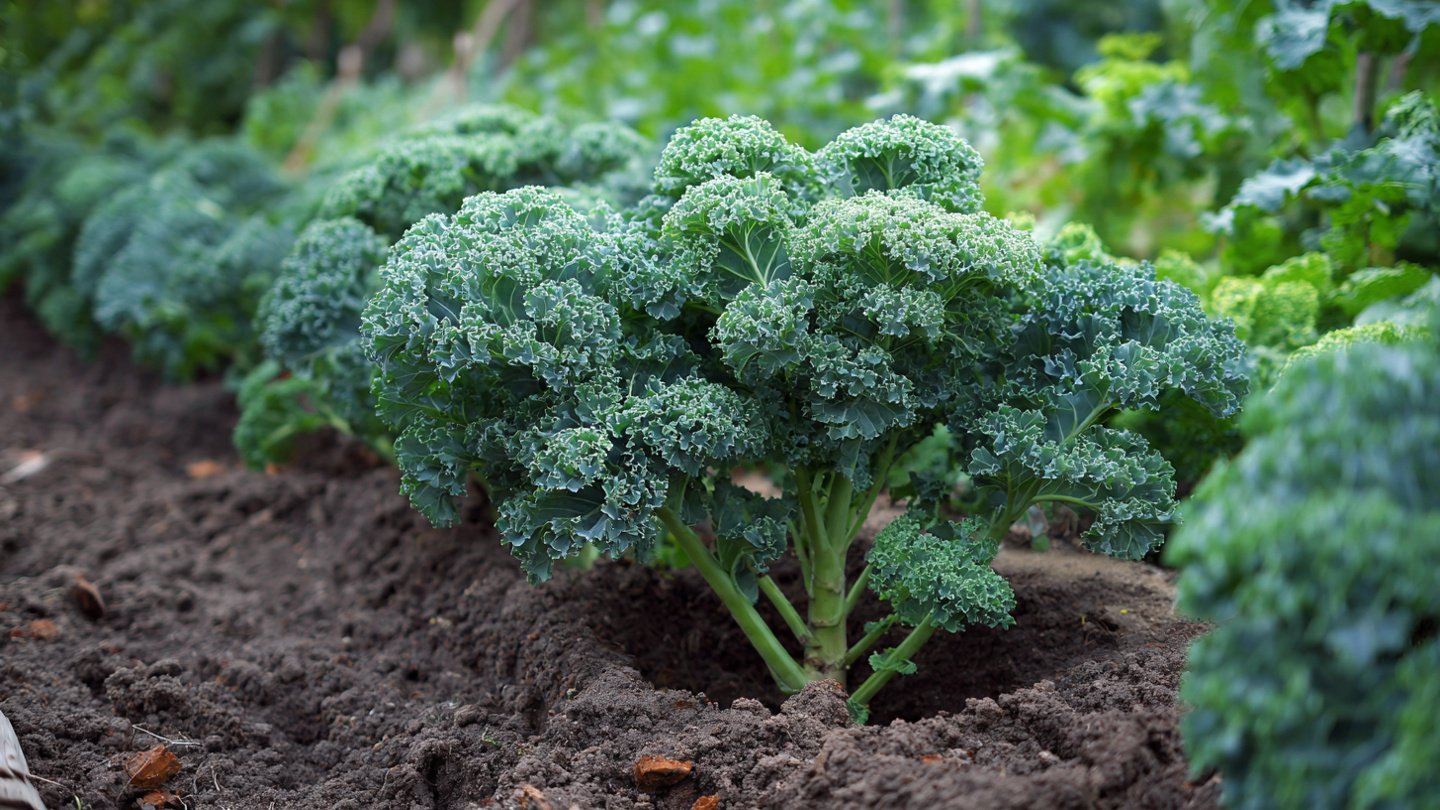
Kale, often referred to as a “superfood,” is renowned for its numerous health benefits, including high vitamin C and K content, calcium, and antioxidants. Cultivating kale in a raised bed can be a rewarding endeavor, allowing for better drainage, improved soil quality, and easier access for maintenance. This article will guide you through the steps to successfully grow a bountiful forest of kale in one raised bed.
1. Choosing the Right Location
The first step in cultivating kale is selecting the optimal location for your raised bed. Here are some tips:
- Sunlight: Kale thrives in full sun; therefore, choose a location that receives at least 6 hours of direct sunlight daily.
- Accessibility: Ensure the raised bed is easily accessible for regular maintenance, harvesting, and watering.
- Protection: Consider placing your bed near a windbreak or a structure that provides some protection from harsh winds.
2. Selecting the Right Raised Bed
Your raised bed size will depend on the space available and your specific goals. Here are some dimensions and materials to consider:
- Dimensions: A standard raised bed size is 4 feet wide by 8 feet long. This size allows you to reach the center without stepping in the bed.
- Depth: Aim for a depth of at least 12 inches, as kale requires deep roots to anchor and absorb nutrients.
- Materials: Use rot-resistant wood like cedar or composite materials to build your raised bed. Avoid treated wood, which may leach harmful chemicals into the soil.
3. Preparing the Soil
Soil preparation is crucial for healthy kale growth. Follow these steps:
- Clear the Area: Remove any weeds, debris, or grass from the raised bed area.
- Soil Composition: Fill your raised bed with a mixture of high-quality topsoil, compost, and well-rotted manure. A recommended blend is one-third of each component.
- pH Level: Test the soil’s pH, aiming for a range between 6.0 and 7.0, which is ideal for kale. Amend with lime if it’s too acidic or sulfur if it’s too alkaline.
- Fertilization: Mix in a granular organic fertilizer at planting time to provide essential nutrients for your plants.
4. Choosing Kale Varieties
Select the right kale varieties suited for your climate. Here are some popular options:
- Lacinato Kale: Also known as Dinosaur or Tuscan kale, it has a unique texture and rich flavor.
- Curly Kale: This common variety is praised for its crisp leaves and is often seen in grocery stores.
- Red Russian Kale: Known for its delicate leaves and striking purplish-red color, perfect for salads.
5. Planting Kale Seeds or Seedlings
Once your raised bed is prepared, it’s time to plant. Follow these steps:
- Timing: Plant kale seeds in early spring or late summer for a fall harvest. If using transplants, start them indoors about 6-8 weeks before the last frost date.
- Spacing: Space seeds or seedlings about 12-18 inches apart to allow airflow and proper leaf development.
- Watering: Water the bed thoroughly after planting to encourage seed germination.
6. Maintenance and Care
Maintaining your kale crop is vital for its success. Key maintenance tasks include:
- Watering: Keep the soil consistently moist but not soggy, especially during dry spells. A drip irrigation system can be beneficial.
- Mulching: Apply a layer of organic mulch to suppress weeds, retain moisture, and regulate soil temperature.
- Pest Management: Monitor for pests such as aphids and cabbage worms. Use organic insecticidal soap or neem oil for treatment if infestations occur.
7. Harvesting Kale
Knowing when and how to harvest kale is crucial for prolonging the growing season:
- Timing: Start harvesting leaves when they are about the size of your hand, usually around 55-75 days after planting, depending on the variety.
- Method: Harvest the outer leaves first, cutting them at the base, while allowing the inner leaves to continue growing. This method encourages bushier growth.
- Storage: Store harvested kale in the refrigerator for up to a week. For longer storage, consider blanching and freezing it.
Conclusion
Cultivating a bountiful forest of kale in a raised bed is achievable with the right preparation, care, and attention to detail. By selecting an optimal location, preparing nutrient-rich soil, choosing the right varieties, and maintaining diligent care throughout the growing season, you can enjoy a continuous harvest of this nutritious green. Not only will this endeavor reward you with abundant kale, but it will also provide a sense of fulfillment and connection to your gardening journey.
FAQs
1. How often should I water my kale?
Water your kale regularly to keep the soil consistently moist. During dry spells, you may need to water every few days, especially if grown in warm weather.
2. Can I grow kale in containers?
Yes, kale grows well in containers as long as the pot is at least 12 inches deep and wide enough to accommodate the root system.
3. What nutrients do kale plants need?
Kale needs nitrogen, phosphorus, and potassium. Ensure your soil is well-amended with compost and fertilizer containing these nutrients.
4. How can I prevent pests from damaging my kale?
Regularly inspect your kale for pests and use organic pest control options as needed. Companion planting with garlic or marigolds can also help deter pests.
5. What is the best way to store harvested kale?
Store kale in your refrigerator’s crisper drawer, wrapped in a damp paper towel inside a plastic bag for up to a week. Alternatively, blanch and freeze for long-term storage.