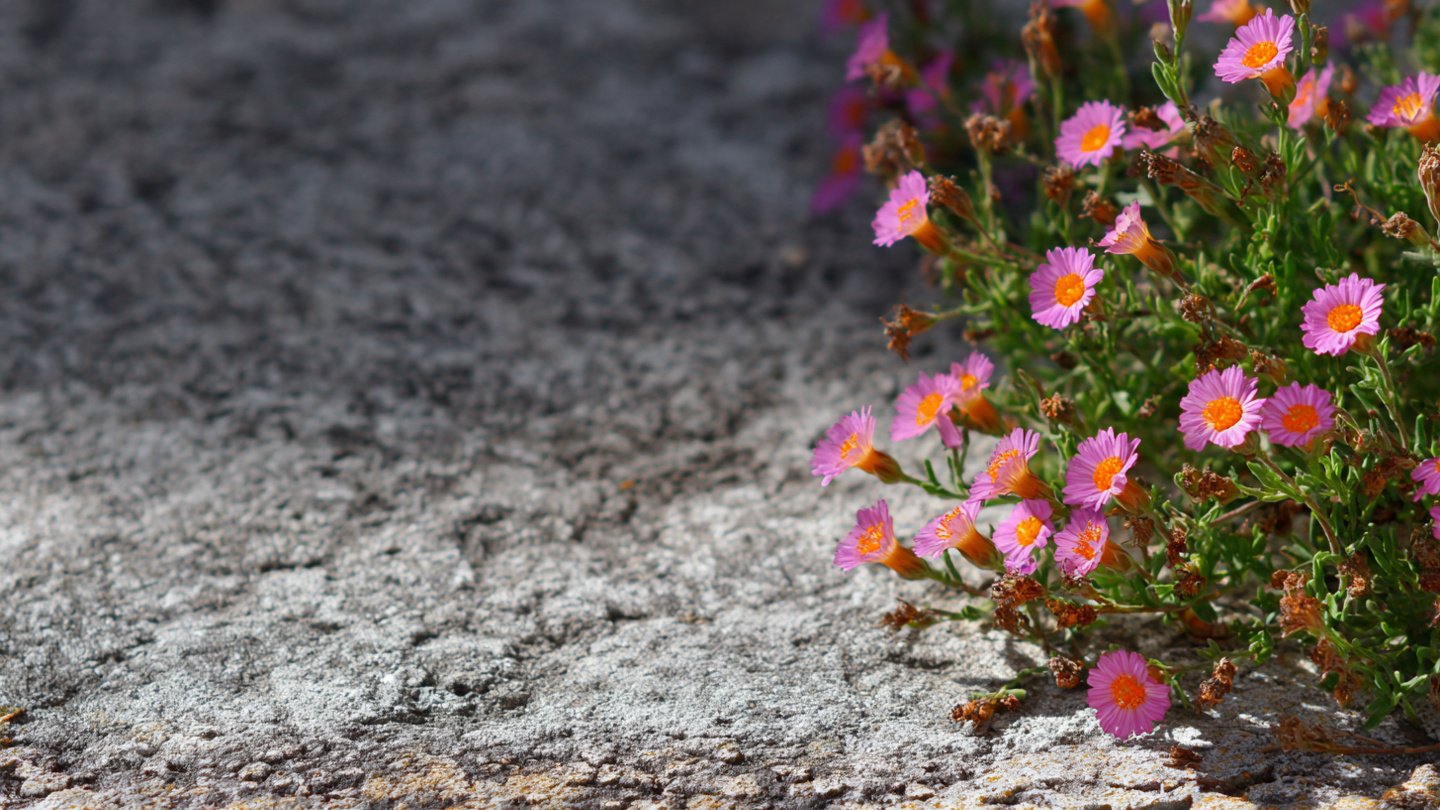
Heat waves bring sweltering temperatures that can make traditional landscaping challenging. Urban environments with concrete surfaces intensify the heat, creating harsh conditions for most plants. However, there are resilient plant species that not only survive but also thrive in these arid, sun-baked settings. Here, we will explore 15 plants that flourish on hot concrete, making them excellent choices for gardeners seeking to beautify urban spaces during heat waves.
1. Periwinkle (Vinca minor)
Periwinkle, or Vinca minor, is a hardy perennial that thrives in a variety of conditions. Known for its attractive, semi-evergreen foliage and star-shaped blue or purple flowers, periwinkle is an excellent ground cover. Its ability to tolerate heat, drought, and poor soil makes it a favored choice for urban landscapes, particularly along sidewalks and in parking lots.
Benefits:
- Drought tolerant
- Brightens up concrete surfaces with colorful blooms
- Forms a dense mat that inhibits weeds
2. Sedum (Sedum spp.)
Sedum, commonly known as stonecrop, encompasses various species that thrive in hot and dry climates. These succulent plants store water in their leaves, allowing them to endure prolonged drought periods. Sedum varieties are often used in green roofs, rock gardens, and as ground cover.
Benefits:
- Vast array of colors and textures
- Attractive to pollinators
- Minimal maintenance required
3. Lavender (Lavandula spp.)
Lavender is renowned for its fragrant blooms and aromatic foliage. It thrives in full sun and well-drained soil, making it perfect for hot concrete zones. Its silver-green leaves and purple flowers not only tolerate heat but also attract bees and butterflies, enhancing urban biodiversity.
Benefits:
- Fragrant blooms
- Attracts pollinators
- Perennial with low water needs
4. Agave (Agave spp.)
Agaves are succulent plants native to arid regions, well-suited to dry, hot conditions. Their striking rosette form and architectural structure make them ideal for urban gardens. Agave plants are drought-resistant and can thrive in poor soil, making them a resilient choice for concrete landscapes.
Benefits:
- Dramatic presence in landscape design
- Very low maintenance
- Unique texture and shape
5. Japanese Blood Grass (Imperata cylindrica ‘Red Baron’)
Japanese Blood Grass is characterized by its vibrant red tips, which become more intense with the summer heat. This ornamental grass thrives in sunny locations and is drought-tolerant once established. Its striking appearance adds color and texture to otherwise gray urban environments.
Benefits:
- Unique color that stands out
- Low water requirements
- Adds movement and texture to landscapes
6. Mexican Feather Grass (Nassella tenuissima)
This ornamental grass thrives in hot, dry conditions and can sway gracefully in the wind. Mexican Feather Grass is perfect for urban settings, as it can handle the heat and maintains a soft appearance even in concrete landscapes. Its fine-textured foliage adds a delicate touch to hardscapes.
Benefits:
- Soft texture contrasts with hard surfaces
- Drought-tolerant and low maintenance
- Attractive to beneficial insects
7. Cacti (Cactaceae family)
Cacti are synonymous with hot, dry regions and are well-adapted to concrete jungles. With diverse shapes and sizes, cacti add interest to urban landscapes. They require minimal water and care, making them ideal for those seeking low-maintenance gardening options amidst the heat.
Benefits:
- Extremely drought-resistant
- Unique forms add architectural interest
- Minimal maintenance needed
8. Russian Sage (Perovskia atriplicifolia)
Russian Sage is a semi-woody perennial that thrives in hot and dry conditions. With its silvery foliage and spikes of blue flowers, it provides a striking contrast against concrete. Russian Sage is also drought-resistant and attracts various pollinators, making it a beneficial addition to urban gardens.
Benefits:
- Long-lasting blooms
- Attractive to bees and butterflies
- Tolerates poor soils
9. Hens and Chicks (Sempervivum spp.)
Hens and Chicks are low-growing succulents that thrive in rocky and poor soil, making them well-suited for hot concrete areas. Their rosettes can tolerate neglect and extreme heat, and they produce delightful blooms during the growing season. They’re perfect for container gardening on patios or rooftops.
Benefits:
- Low maintenance
- Attractive foliage and flowers
- Excellent for container gardening
10. Coneflower (Echinacea spp.)
Coneflowers are hardy perennials that flourish in sunny environments. They are drought-tolerant and have vibrant daisy-like flowers that bloom throughout the summer. Coneflowers not only add color to urban landscapes but also provide valuable nectar for pollinators.
Benefits:
- Attracts butterflies and bees
- Long blooming period
- Drought-resistant once established
11. Lantana (Lantana camara)
Lantana is a heat-loving flowering plant known for its clusters of colorful blooms. It thrives in sunny, hot conditions and is drought-tolerant, making it ideal for urban gardens and concrete surroundings. Lantana is also very low-maintenance and attracts biodiversity.
Benefits:
- Long-lasting flowers
- Attracts pollinators
- Requires minimal care
12. Portulaca (Portulaca grandiflora)
Also known as moss rose, Portulaca is a succulent that thrives in hot, dry environments. This low-growing plant produces vibrant flowers and is perfect for planting in cracks and crevices in concrete. Its drought tolerance makes it an excellent option for urban gardens.
Benefits:
- Eye-catching blooms
- Low water requirements
- Thrives in poor soil conditions
13. Salvia (Salvia spp.)
Salvia, or sage, includes various species that thrive in hot, dry climates. Known for their aromatic foliage and showy flowers, salvias attract a wide range of pollinators. They are typically drought-tolerant and require little maintenance, making them a great addition to concrete landscapes.
Benefits:
- Attracts butterflies and bees
- Long flowering period
- Drought-tolerant
14. Rosemary (Rosmarinus officinalis)
Rosemary is a culinary herb that thrives in sunny, hot conditions. Its aromatic leaves and drought tolerance make it a perfect choice for urban gardens. Rosemary can also be planted in containers, allowing it to flourish even near hot concrete surfaces.
Benefits:
- Edible and aromatic
- Thrives in poor soil
- Low maintenance and drought-resistant
15. Daylilies (Hemerocallis spp.)
Daylilies are hardy perennials capable of thriving in various conditions, including hot, dry environments. With a range of colors and sizes, they add beauty to urban landscapes. Daylilies are generally drought-tolerant and require minimal care once established.
Benefits:
- Colorful blooms throughout the season
- Adaptable to different soil types
- Low maintenance and durable
Conclusion
As climate change amplifies the frequency and severity of heat waves, selecting the right plants for urban environments becomes crucial. The 15 plants mentioned above not only endure hot concrete conditions but can also thrive and beautify these spaces. These resilient species provide a vibrant array of colors and textures, helping to combat heat and create thriving ecosystems even amidst intense summer swelters.
Whether you’re designing a rooftop garden, filling sidewalk planters, or landscaping a sunny urban park, integrating these heat-tolerant plants can help ensure a sustainable and attractive green space that flourishes in the face of rising temperatures. As we embrace these resilient plants, we create urban sanctuaries that offer not just aesthetic value but also vital support for urban wildlife.