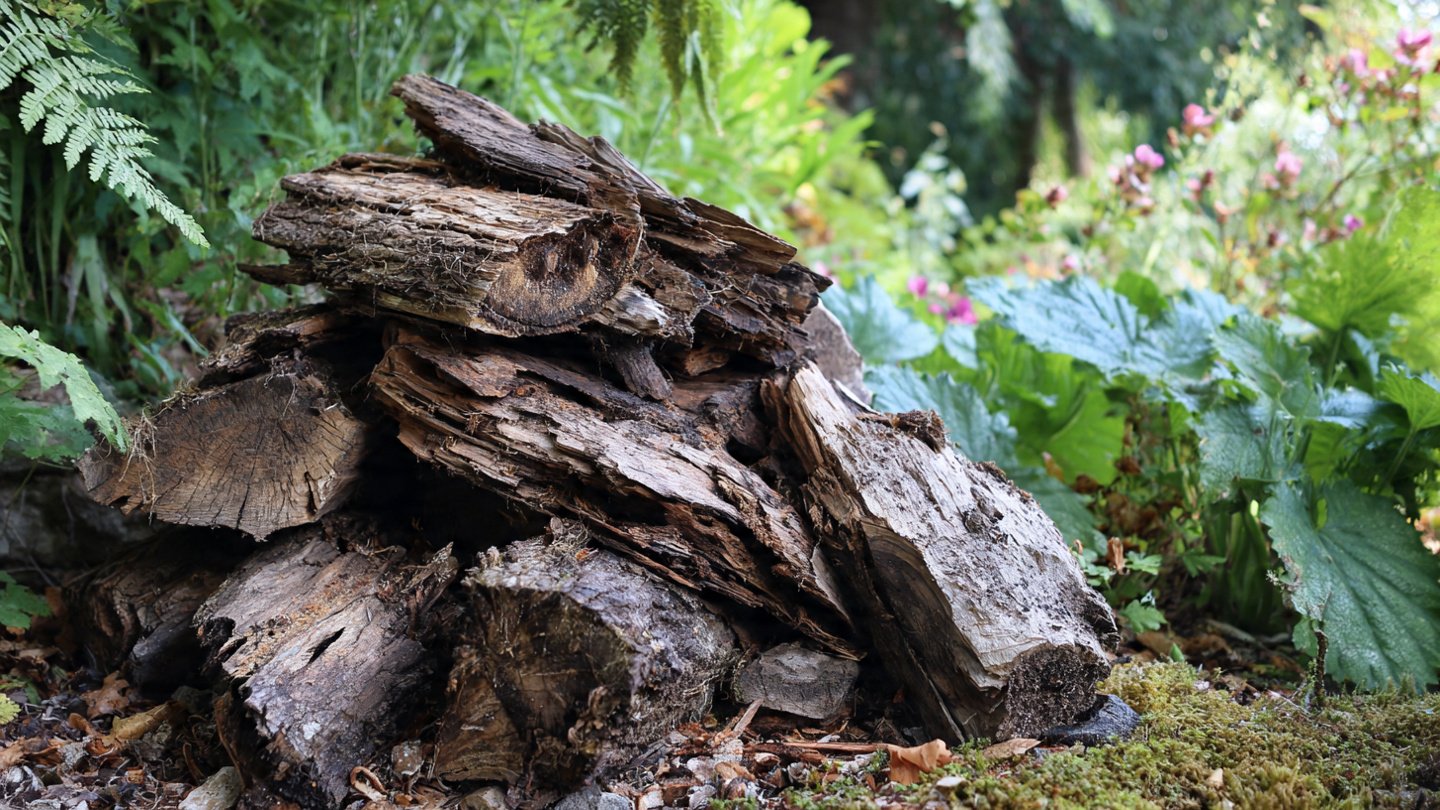
When most people think of a garden, they envision vibrant flowers, lush greenery, and perhaps the joyful buzzing of bees. However, an unexpected element can contribute to this idyllic scene — a pile of rotting wood. At first glance, decaying wood may appear unsightly and problematic, yet it serves as a critical component in developing a thriving garden ecosystem. From providing nutrients to enhancing soil structure, the benefits are numerous and often overlooked.
The Role of Wood in Ecosystem Building
Wood, in its decomposed state, plays a significant role in creating a balanced microenvironment. Here are several ways in which rotting wood can enhance your garden:
1. Nutrient Supply
As wood decomposes, it breaks down into humus, a dark organic material crucial for soil fertility. Nutrients such as nitrogen, phosphorus, and potassium are gradually released, enriching the soil and encouraging plant growth. This natural fertilizer can lead to healthier plants, improved yields, and reduced reliance on chemical fertilizers.
2. Soil Structure Improvement
Decomposing wood enhances soil structure by creating air pockets that improve drainage and aeration. This allows roots to penetrate deeper into the soil, promoting healthier plant growth. Good soil structure also reduces erosion and helps retain moisture, which is essential in varying weather conditions.
3. Habitat for Microorganisms
Wood provides an excellent habitat for a variety of soil organisms, including fungi, bacteria, and insects. These microorganisms play a vital role in the decomposition process, breaking down organic matter and recycling nutrients back into the soil. By supporting biodiversity, you create a robust and resilient ecosystem that can withstand environmental stresses.
Encouraging Beneficial Insects
The presence of rotting wood attracts beneficial insects, such as beetles, spiders, and predatory wasps. These insects contribute to natural pest control, minimizing the need for chemical interventions. For instance, ladybugs, known for their aphid-eating habits, will be more likely to thrive in a rich and diverse ecosystem supported by decomposing materials.
Creating a Habitat for Wildlife
Aside from insects, a pile of rotting wood can serve as a sanctuary for small mammals and reptiles. Birds may also utilize the area for nesting. By encouraging wildlife to your garden, you promote a natural balance, helping to establish a thriving ecosystem. Furthermore, this biodiversity contributes to the overall beauty and enjoyment of your garden space.
Utilizing Rotting Wood in Your Garden
Now that you understand the benefits of rotting wood, you may wonder how to integrate this resource into your gardening practices. Here are some practical recommendations:
1. Constructing a Hugelkultur Bed
Hugelkultur is a gardening technique that involves building raised beds using rotting wood and other organic materials. Start with larger logs and branches at the bottom, followed by smaller twigs and then layers of soil and compost. This method not only adds nutrients to the soil over time but also retains moisture, reducing the need for frequent watering.
2. Mulching
Using shredded or chipped wood as mulch can help suppress weeds, retain moisture, and improve soil structure. Spread a thick layer around your plants, ensuring that it does not touch the stems to prevent rot. Over time, the mulch will decompose and continually enrich the soil.
3. Building a Wildlife Habitat
If you have space, consider creating a designated area for a brush pile. Stack logs, branches, and leaves in a corner of your garden to create a diverse habitat. This can serve as a refuge for various creatures and enhance the ecological balance within your garden.
4. Composting
Incorporate rotting wood into your compost pile. Shredded wood can add carbon that balances nitrogen-rich components like kitchen scraps. Ensure the wood is decomposed enough to blend well with other materials, reducing the time it takes to compost. Regularly turning the pile will aid in breaking down the wood further.
Troubleshooting Common Issues
While the benefits of rotting wood are significant, you may encounter potential challenges. Here are common issues gardeners face and how to address them:
1. Pests and Diseases
Occasionally, rotting wood can invite unwanted pests or promote diseases. Monitor the area regularly and ensure that the decomposing wood does not host pathogens that could harm your plants. Implement natural pest control measures, such as introducing beneficial insects or removing infected material.
2. Odor Issues
Decomposing wood may emit odors, especially if it becomes waterlogged. Ensuring proper drainage can mitigate this issue. Avoid placing the wood in areas prone to excessive moisture, and consider covering it with a tarp during wet seasons.
3. Aesthetics
The visual impact of rotting wood can be unappealing. Strategically position it where it is less visible or enhance its appearance by surrounding it with flowering plants or by creating a more deliberate wildlife habitat look.
Conclusion
A pile of rotting wood may be more than just a neglected stack in your garden; it can be a powerful tool for creating a thriving ecosystem. By enriching the soil, improving water retention, and attracting beneficial wildlife, rotting wood fosters a balanced environment that promotes healthy plant growth. Whether you choose to build a hugelkultur bed or simply allow nature to take its course, embracing the value of decomposing wood can transform your garden into a vibrant and sustainable ecosystem.
FAQs
1. Is rotting wood safe for my garden?
Yes, rotting wood is safe and beneficial for your garden. It provides essential nutrients and improves soil structure.
2. How long does it take for wood to decompose?
The decomposition rate varies based on wood type, size, and environmental conditions but can take anywhere from a few months to several years.
3. Can I use treated wood in my garden?
It is not advisable to use treated wood, as it may contain chemicals harmful to plants and soil organisms. Stick to untreated or naturally decayed wood.
4. Will rotting wood attract pests?
While it can attract some pests, it also encourages beneficial insects that can help control harmful species. Proper maintenance can minimize pest issues.
5. What can I plant near rotting wood?
Consider planting native species or hardy plants that thrive in enriched soils. Many vegetables and flowering plants will benefit from the nutrients in decomposed wood.