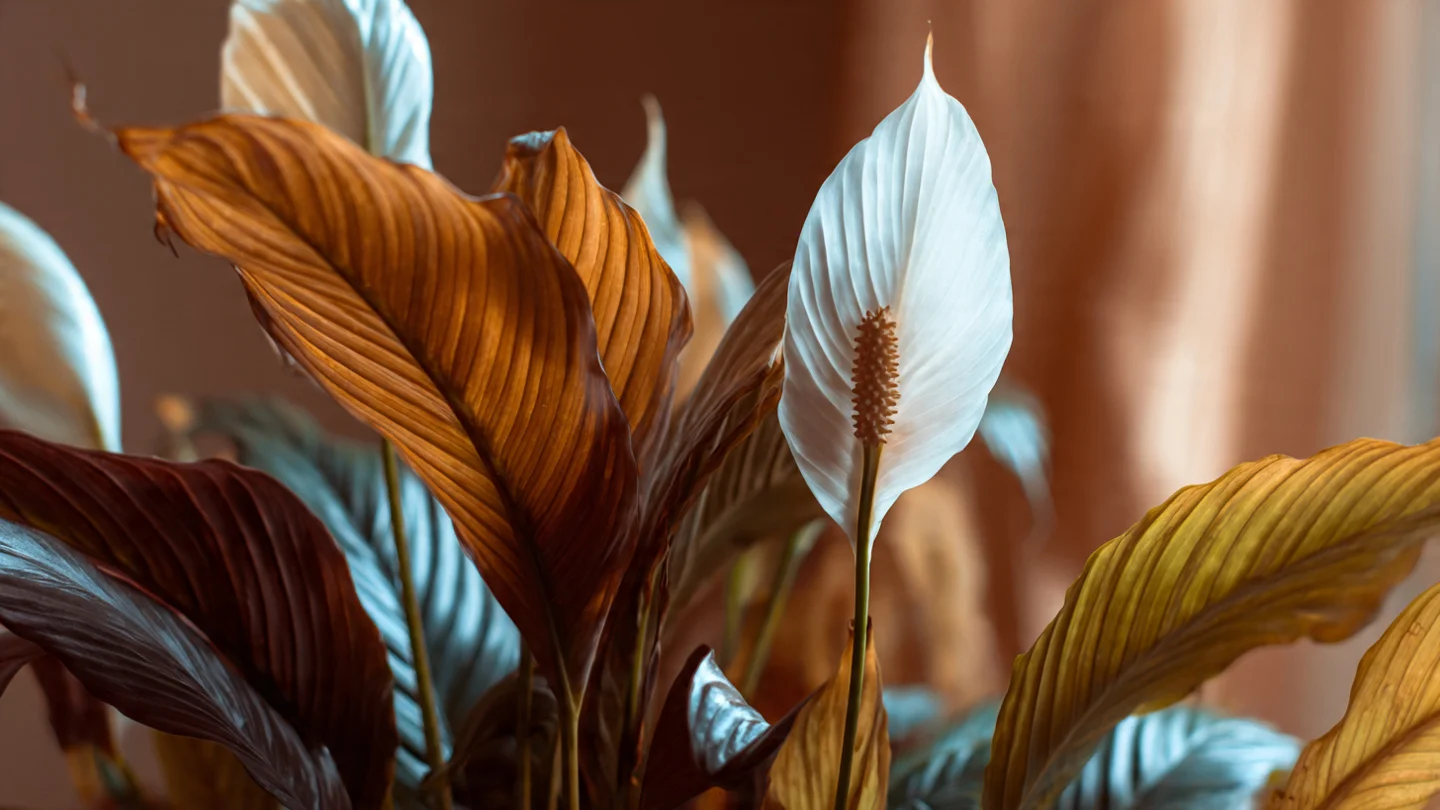
Peace lilies are loved for their glossy green leaves and elegant white blooms, making them one of the most popular indoor plants worldwide. However, many plant owners become worried when they notice brown tips forming on the leaves. These brown edges can appear suddenly and often spread, making the plant look unhealthy. While the problem is common, the good news is that it is usually easy to fix once you understand the cause. Brown tips are not a disease by themselves but a signal that something in the plant’s environment needs attention. By learning why peace lily leaves get brown tips, you can quickly restore your plant’s beauty and keep it thriving indoors.
Understanding Brown Tips on Peace Lily Leaves
Brown leaf tips occur when the edges of the leaves dry out or become damaged. Since peace lilies are tropical plants, they are sensitive to changes in moisture, water quality, and environmental conditions. The tips of the leaves are the first area to show stress because they are the furthest from the roots. When water or nutrients fail to reach these areas properly, browning begins. Identifying the exact reason is important because different causes require different solutions. Observing your plant’s watering routine, light exposure, and room conditions can help pinpoint the issue.
Overwatering and Poor Drainage
One of the most common reasons for brown tips is overwatering. Many people assume peace lilies need constant moisture, but too much water can suffocate the roots. When roots sit in soggy soil, they cannot absorb oxygen properly. This leads to root stress and poor nutrient uptake, which shows up as brown leaf tips. Poor drainage in the pot makes the problem worse. Always ensure the pot has drainage holes and that excess water can escape easily. Let the top inch of soil dry out before watering again to prevent waterlogged roots.
Underwatering and Dry Soil
Underwatering is another frequent cause of brown tips. Peace lilies prefer consistently moist soil, and when the soil becomes too dry, the leaves lose moisture rapidly. This dehydration starts at the tips, turning them brown and crispy. If you often forget to water your plant or allow the soil to dry out completely, brown tips are almost inevitable. To fix this, establish a regular watering schedule and check soil moisture with your finger. Water thoroughly when the soil feels slightly dry but not completely parched.
Low Humidity Levels
Peace lilies naturally grow in humid tropical forests, so dry indoor air can stress them. Low humidity is especially common during winter when heaters are running or in rooms with air conditioning. When humidity levels drop, moisture evaporates quickly from the leaves, causing the tips to dry out and turn brown. Increasing humidity can make a noticeable difference. You can mist the leaves regularly, place a tray of water near the plant, or use a humidifier. Grouping plants together also helps create a more humid microclimate.
Poor Water Quality and Chemicals
Tap water often contains chemicals like chlorine, fluoride, and salts that peace lilies are sensitive to. Over time, these substances build up in the soil and damage the leaf tips. Brown tips caused by water quality often appear even when watering habits seem correct. Using filtered, distilled, or rainwater can significantly reduce this issue. If tap water is your only option, allow it to sit overnight before use so some chemicals can evaporate. Flushing the soil occasionally with clean water can also remove excess salts.
Excess Fertilizer and Salt Buildup
Fertilizing too often or using strong fertilizers can burn peace lily roots. Excess fertilizer leads to salt buildup in the soil, which interferes with water absorption. This results in brown tips and leaf edges. Peace lilies do not need heavy feeding and can thrive with minimal fertilizer. Feeding once every six to eight weeks during the growing season is usually enough. If you suspect fertilizer burn, flush the soil thoroughly with water to wash away excess salts and reduce feeding frequency.
Too Much Direct Sunlight
Although peace lilies tolerate low light, they do not like direct sunlight. Exposure to strong sun can scorch the leaves, causing brown tips and patches. This often happens when the plant is placed near a sunny window without protection. Bright, indirect light is ideal for healthy growth. If your plant receives direct sun, move it to a shaded spot or use sheer curtains to filter the light. Correct lighting not only prevents brown tips but also encourages better flowering.
Temperature Stress and Drafts
Peace lilies prefer stable temperatures between 18°C and 27°C. Sudden temperature changes, cold drafts, or hot air from heaters can stress the plant. When exposed to unfavorable temperatures, leaf tips may turn brown as a defense response. Avoid placing peace lilies near doors, windows, air conditioners, or heating vents. Keeping the plant in a consistent environment helps prevent stress-related browning.
Natural Aging of Leaves
Sometimes, brown tips are simply a result of natural aging. Older leaves gradually develop brown edges as the plant focuses its energy on new growth. If only a few older leaves are affected and the rest of the plant looks healthy, there may be no cause for concern. You can trim the brown tips with clean scissors to improve appearance. Focus on overall plant health rather than trying to eliminate every brown edge.
How to Fix and Prevent Brown Tips
The key to preventing brown tips is balance. Water consistently but avoid extremes. Maintain moderate humidity and use good-quality water. Provide bright, indirect light and protect the plant from temperature stress. Regularly inspect the leaves and soil to catch problems early. Trimming brown tips will not harm the plant and can make it look healthier while you correct the underlying issue. With proper care, new leaves will grow without browning.
Conclusion
Brown tips on peace lily leaves are a common but manageable problem. They usually indicate stress caused by watering issues, low humidity, poor water quality, or environmental changes. By understanding these causes and making small adjustments, you can restore your peace lily’s lush green appearance. With consistent care and attention, your peace lily will continue to thrive, producing beautiful foliage and elegant blooms that brighten your indoor space.