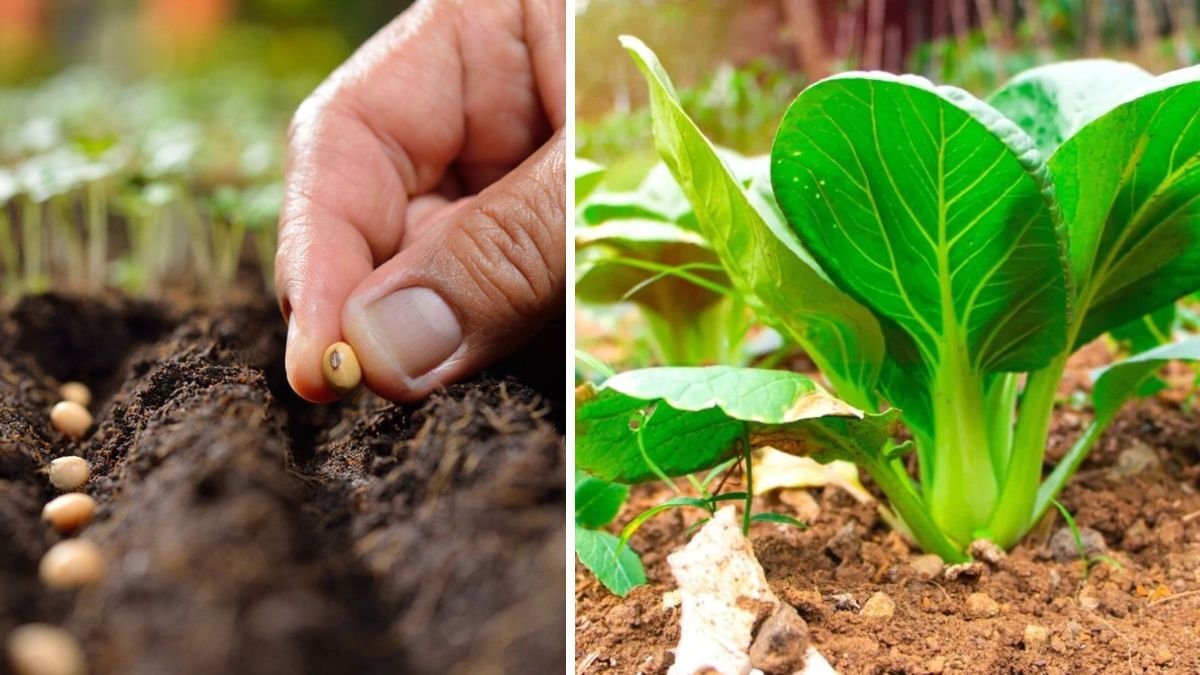
Harvesting seeds from your garden is a rewarding way to save money, preserve favorite plant varieties, and prepare for next season. Whether it’s vibrant flowers, tasty vegetables, or herbs, knowing how to collect, store, and protect seeds ensures your plants continue thriving year after year. However, many gardeners struggle with losing seeds, improperly storing them, or harvesting them too early.
This guide will show you step-by-step how to harvest garden seeds without losing them, helping you build a sustainable garden for years to come.
Why Harvesting Seeds Matters
- Preserves plant varieties: Save heirloom or favorite plants
- Reduces cost: No need to buy new seeds every season
- Encourages self-sufficiency: Grow your garden with seeds you’ve nurtured
- Supports local biodiversity: Replanting garden seeds ensures genetic variety
Understanding Seed Maturity
Seeds must be fully mature before harvesting. Premature seeds:
- May fail to germinate
- Can be small, weak, or nonviable
- Risk cross-pollination contamination
Tips to recognize maturity:
- Flowering plants: Seed pods or flower heads dry and brown
- Vegetables: Seeds harden and turn dark brown or black
- Herbs: Seeds become dry and brittle
Timing is key—harvest before seeds scatter naturally.
Tools and Materials Needed
- Paper bags or envelopes for temporary storage
- Scissors or garden shears
- Fine mesh sieve or colander for cleaning
- Labels for plant name and date
- Airtight containers for long-term storage
Step-by-Step Seed Harvesting
1. Identify Mature Seeds
- Monitor seed pods, flower heads, or fruits
- Pick seeds just before they start to drop naturally
2. Collect Seeds Carefully
- Use scissors to cut seed heads or pods
- Gently shake seeds into a paper bag
- For very small seeds, work over a tray to avoid spills
3. Clean Seeds
- Remove chaff, debris, or pulp from vegetable seeds
- Use a sieve for small seeds like basil or lettuce
- Let seeds dry completely before storage
4. Label Your Seeds
- Include plant type, variety, and collection date
- Helps avoid confusion and keeps your garden organized
5. Store Seeds Properly
- Cool, dry, dark places preserve seed viability
- Use airtight containers, glass jars, or envelopes
- Add silica gel or rice packets to absorb moisture
Tips to Avoid Losing Seeds
- Harvest in batches: Don’t wait until all plants are ready at once
- Work over trays or clean surfaces: Prevent tiny seeds from scattering
- Use gloves or funnels for small seeds: Keeps seeds contained
- Store seeds separately by plant type: Avoid accidental mixing
Special Notes for Different Plants
- Flowers: Marigolds, zinnias, and cosmos produce easy-to-harvest seeds in dry flower heads
- Vegetables: Tomatoes and peppers need pulp removed before drying; beans and peas can be shelled and dried
- Herbs: Basil, cilantro, and dill seeds dry well on paper, ready for storage
Extending Seed Viability
- Most seeds last 1–3 years; some, like parsnip or onion, may only last one year
- Check germination periodically by sprouting a few seeds
- Rotate older seeds first, keeping a “fresh supply” each season
Final Thoughts
Harvesting garden seeds is a practical and rewarding skill that ensures your favorite plants continue thriving season after season. By collecting mature seeds carefully, cleaning and drying them, labeling, and storing properly, you can save money, preserve heirloom varieties, and enjoy the satisfaction of growing plants from seeds you nurtured yourself.
With these techniques, you’ll never lose seeds again and can build a self-sustaining garden that thrives year after year.