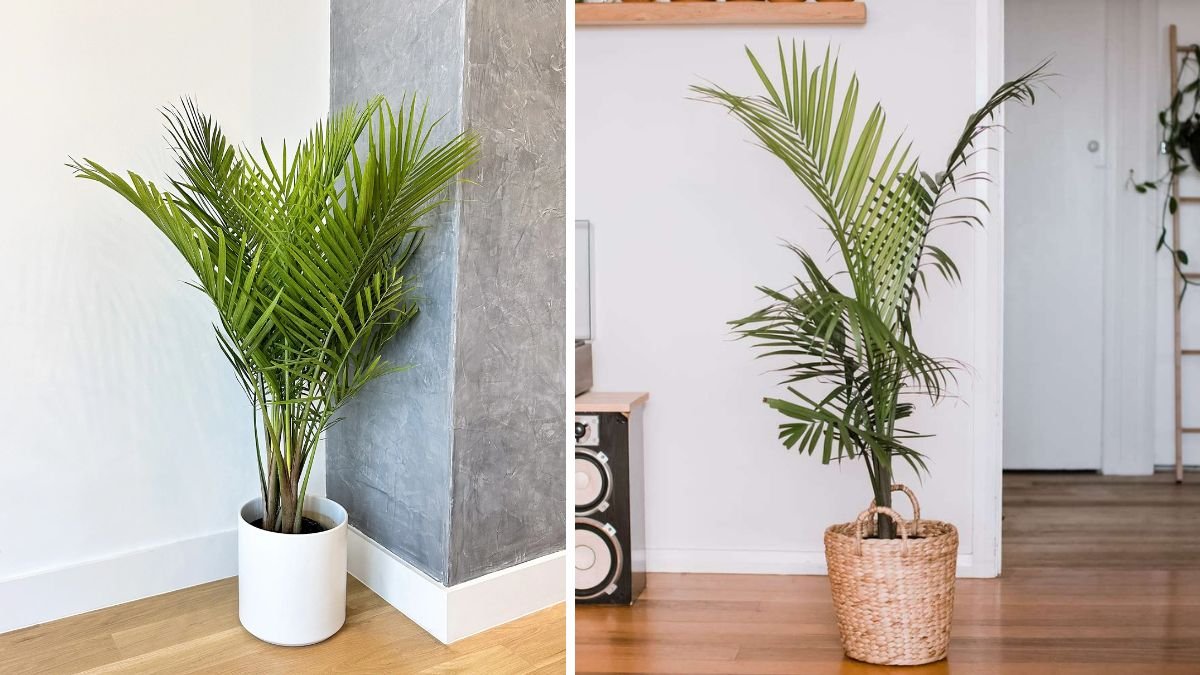
The Majesty Palm (Ravenea rivularis) is known for its tall, graceful fronds and tropical elegance, making it a favorite for indoor decoration. But is it really a good choice for your home? While it looks stunning, there are a few factors to consider before bringing this tropical beauty indoors.
This guide will explore what makes the Majesty Palm popular, its care requirements, and whether it’s suitable for indoor spaces, helping you decide if it’s the right plant for your lifestyle.
Why Majesty Palms Are Popular Indoors
- Elegant appearance: Tall, feathery fronds add a tropical vibe
- Air purification: Like many palms, it improves indoor air quality
- Decor versatility: Works in living rooms, offices, and lobbies
- Statement plant: Adds height and drama to indoor spaces
Growth and Size Considerations
- Majesty palms grow slowly indoors
- Can reach 8–10 feet tall in containers
- Outdoor specimens may grow 40–50 feet
- Frond spread can be 3–6 feet, so adequate space is needed
Small spaces may require pruning or occasional re-potting to manage size.
Light Requirements
- Prefers bright, indirect light
- Can tolerate partial shade but will grow more slowly
- Avoid direct midday sun—it can scorch fronds indoors near windows
Tip: Rotate the palm occasionally to ensure even growth.
Watering and Humidity
- Likes consistently moist soil but not soggy
- Allow the top 1–2 inches of soil to dry before watering again
- High humidity promotes healthy fronds; misting or a humidity tray helps
Soil and Fertilization
- Use well-draining, rich potting mix
- Fertilize every 2–3 months with balanced palm fertilizer
- Avoid over-fertilizing; excess salts can damage leaves
Common Indoor Care Challenges
- Brown leaf tips: Caused by low humidity, inconsistent watering, or fluoride in tap water
- Pests: Spider mites or scale insects occasionally appear
- Slow growth: Normal indoors; patience is required
Maintenance Tips
- Wipe fronds gently to remove dust
- Remove yellowing or damaged fronds for a neat appearance
- Repot every 2–3 years in slightly larger containers
Pros of Having a Majesty Palm Indoors
- Tropical elegance without the need for outdoor planting
- Long-lasting plant with proper care
- Suitable for large indoor spaces
- Improves aesthetic and air quality
Cons of Majesty Palms Indoors
- Requires bright indirect light; poor lighting leads to weak growth
- Sensitive to low humidity
- Needs consistent watering and occasional fertilization
- Can be large and unwieldy in very small apartments
Placement Tips for Best Results
- Near east or west-facing windows for bright but filtered light
- Avoid drafty areas near doors or vents
- Combine with other indoor plants for a tropical feel
- Use a decorative container to enhance its elegance
Alternatives if Majesty Palm Is Too Demanding
- Areca Palm: Slightly smaller and more tolerant
- Parlor Palm (Chamaedorea elegans): Low-light tolerant, slow-growing
- Kentia Palm: Hardy indoor palm with elegant fronds
Final Thoughts
The Majesty Palm is a stunning indoor plant that brings tropical flair to any room. With its graceful fronds, air-purifying qualities, and dramatic presence, it’s perfect for large indoor spaces. However, it requires consistent care, bright light, and adequate humidity.
If you can meet its needs, the Majesty Palm is a show-stopping addition to your home. If not, consider a smaller, easier palm alternative that still provides tropical charm without demanding maintenance.