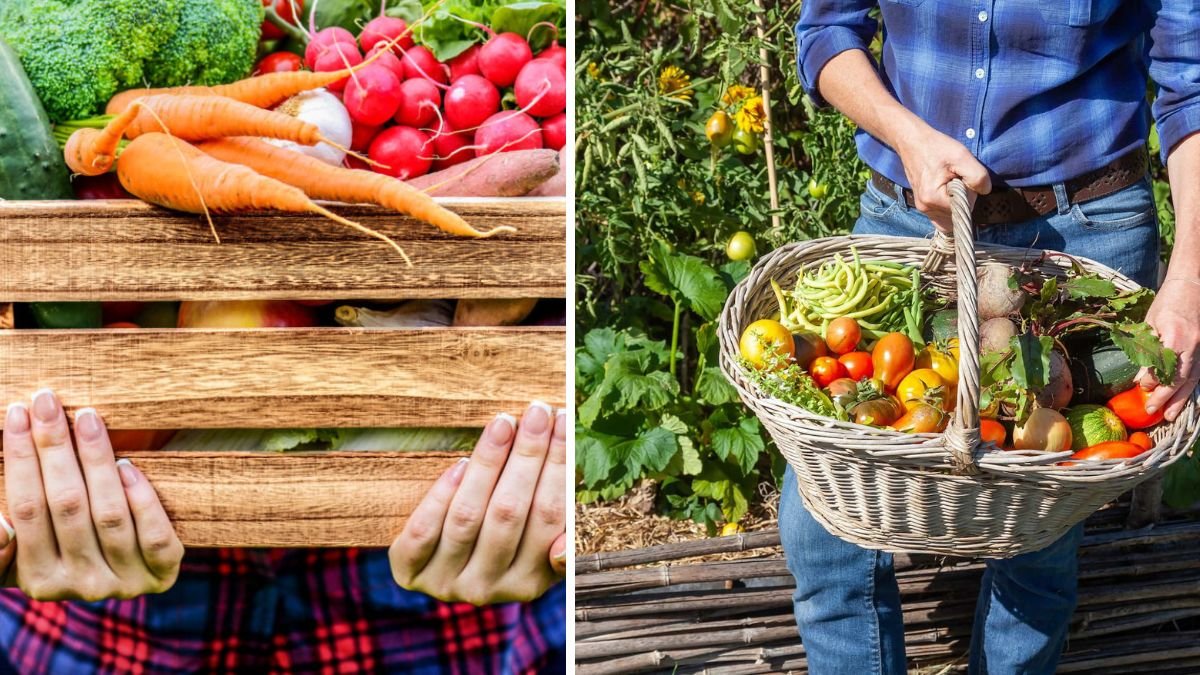
Gardening doesn’t end at harvest. To enjoy your fruits, vegetables, and herbs long after picking, proper storage techniques are essential. With the right methods, you can extend the shelf life, maintain flavor, and reduce waste, making your garden harvest last for months.
This guide provides the best ways to store your harvest, from root vegetables to herbs and fruits, ensuring freshness all year long.
Why Proper Harvest Storage Matters
- Preserves nutrition and flavor: Freshly picked produce can lose nutrients quickly
- Reduces food waste: Proper storage keeps food edible for longer
- Cost-effective: Saves money by reducing spoilage
- Seasonal enjoyment: Allows you to enjoy summer and fall crops throughout winter
Harvest Timing and Preparation
- Harvest in the morning when temperatures are cooler
- Choose produce at peak ripeness but not overripe
- Clean produce gently, removing dirt and damaged parts
- Dry thoroughly before storage to prevent mold
Storage Methods by Produce Type
1. Root Vegetables
- Carrots, beets, turnips, and parsnips
- Trim green tops to prevent moisture loss
- Store in sand, peat moss, or perforated plastic bags in a cool, dark place
- Ideal temperature: 32–40°F (0–4°C)
2. Leafy Greens
- Spinach, lettuce, kale
- Wrap loosely in damp paper towels
- Store in airtight containers or plastic bags in the refrigerator
- Consume within 1–2 weeks
3. Fruits
- Apples and pears: Keep in a cool, ventilated space
- Berries: Store in shallow containers, do not wash until ready to eat
- Avoid storing with vegetables that emit ethylene (e.g., tomatoes)
4. Herbs
- Soft herbs (basil, cilantro, parsley): Store in jars with water like flowers
- Hard herbs (rosemary, thyme, oregano): Wrap in paper towels and refrigerate
- Freeze or dry herbs for long-term storage
5. Tomatoes
- Store at room temperature, away from direct sunlight
- Do not refrigerate unless fully ripe and you want to extend shelf life
Special Techniques for Long-Term Storage
1. Freezing
- Blanch vegetables like beans, peas, and broccoli before freezing
- Herbs can be frozen in water or oil for easy use
2. Canning
- Preserves fruits, tomatoes, pickles, and sauces for months
- Use sterilized jars and follow safe canning procedures
3. Drying
- Dry herbs, peppers, or tomatoes for long-term storage
- Store in airtight containers in a cool, dark place
4. Cold Storage
- Root cellars or cool basements are perfect for winter vegetables
- Maintain humidity to prevent shriveling
Tips for Maintaining Freshness
- Check stored produce regularly for spoilage
- Remove damaged or moldy items immediately
- Rotate stock: use older items first to prevent waste
- Keep storage areas clean, dry, and well-ventilated
Creative Storage Ideas
- Use baskets or crates for air circulation
- Store fruits and vegetables separately to control ethylene exposure
- Make pickles or jams to enjoy surplus produce
Final Thoughts
Proper harvest storage allows you to enjoy the fruits of your garden long after the growing season ends. By understanding the needs of each type of produce and using the right storage techniques, you can keep your harvest fresh, nutritious, and flavorful for months.
Whether it’s a root cellar, freezer, or cold frame, the key is preparation, monitoring, and proper storage, turning your garden bounty into a year-round source of fresh, homegrown goodness.