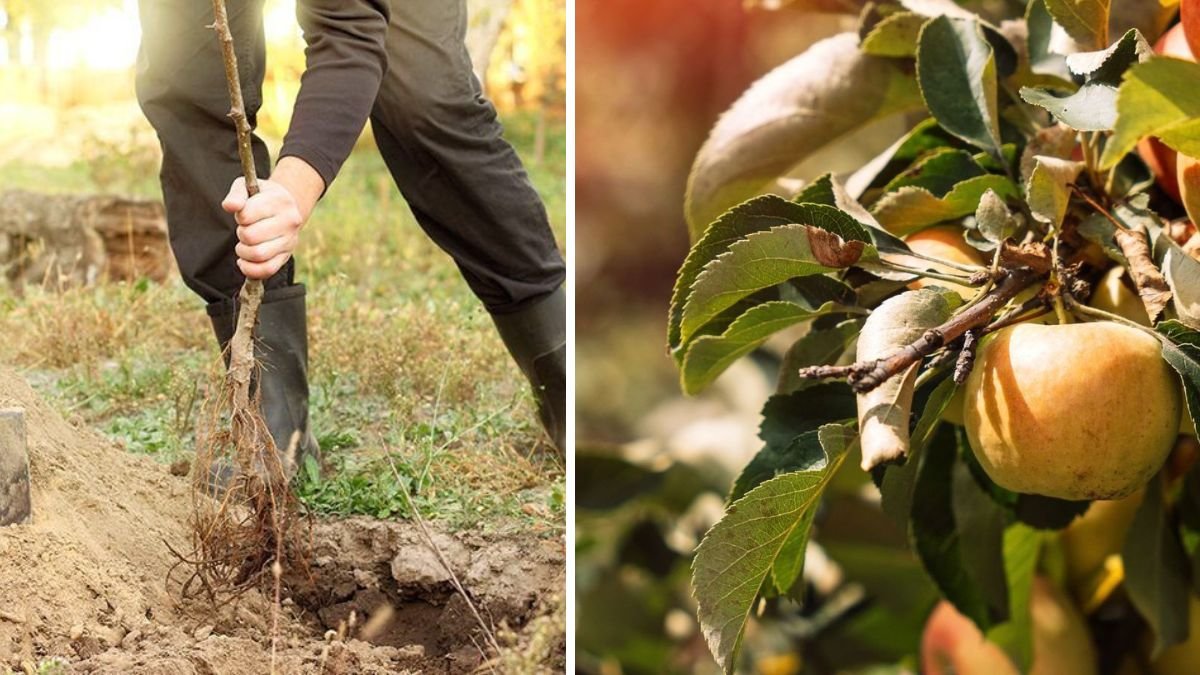
Bare-root fruit trees are a cost-effective and flexible way to start a productive orchard or backyard fruit garden. Unlike container-grown trees, bare-root trees are sold dormant without soil around the roots, which reduces shipping costs and allows gardeners to plant during the tree’s resting period.
The key to success with bare-root trees is timing. Plant too early or too late, and the tree may struggle to establish strong roots or produce abundant fruit in spring. This guide explains when and how to plant bare-root fruit trees for healthy, vigorous growth.
Why Bare-Root Trees Are Popular
- Affordable: Less expensive than potted trees
- Easier to transport and handle: Lightweight and flexible
- Root establishment: Roots adapt quickly to the soil when planted properly
- Variety selection: More options for fruit types and cultivars
Understanding Dormancy
- Bare-root trees are dormant, meaning they have no active leaves or shoots
- Dormancy protects the tree during shipping and early planting
- Planting during dormancy ensures roots develop before the tree starts leafing out in spring
Ideal Planting Time
- Late winter to early spring is generally the best period
- Soil should be workable and free of frost, but the tree must still be dormant
- Plant before buds swell for most temperate fruit trees (apple, pear, peach, cherry)
Regional adjustments:
- Colder climates: Plant as soon as the ground thaws
- Mild climates: Plant anytime during dormancy before new growth
Preparing the Site
- Choose a location with full sun (6–8 hours/day)
- Well-draining soil prevents root rot
- Avoid areas prone to waterlogging
- Space trees according to mature size for optimal growth
Planting Steps for Bare-Root Trees
1. Soak the Roots
- Submerge roots in water for 2–4 hours before planting
- Keeps roots hydrated and ready for growth
2. Dig a Proper Hole
- Hole should be twice as wide and as deep as the roots
- Loosen soil at the bottom for root expansion
3. Plant the Tree
- Position the tree upright
- Spread roots evenly in the hole
- Plant so that the graft union is 2–3 inches above soil level
4. Backfill Carefully
- Fill with native soil, gently firming to eliminate air pockets
- Water thoroughly to settle the soil around roots
5. Mulch and Protect
- Apply 2–3 inches of mulch, keeping it away from the trunk
- Use tree guards or fencing to prevent damage from animals
Aftercare for Bare-Root Trees
- Water regularly, especially during dry spells, until roots establish
- Prune lightly to remove damaged branches and encourage shape
- Fertilize after the first leaves appear in spring
- Monitor for pests and disease
Common Mistakes to Avoid
- Planting too early when soil is frozen
- Planting too deep, burying the graft union
- Overwatering or letting roots dry out before planting
- Ignoring proper spacing between trees
Benefits of Correct Timing
- Maximizes root establishment before spring growth
- Leads to stronger, healthier trees
- Promotes early flowering and fruit production
- Reduces stress and transplant shock
Final Thoughts
Planting bare-root fruit trees at the right time is essential for strong spring growth and long-term orchard success. By choosing a well-prepared site, soaking roots, planting during dormancy, and providing proper care, gardeners can enjoy healthy trees and abundant fruit year after year.
Timing isn’t just a suggestion—it’s the difference between a struggling tree and a thriving one.