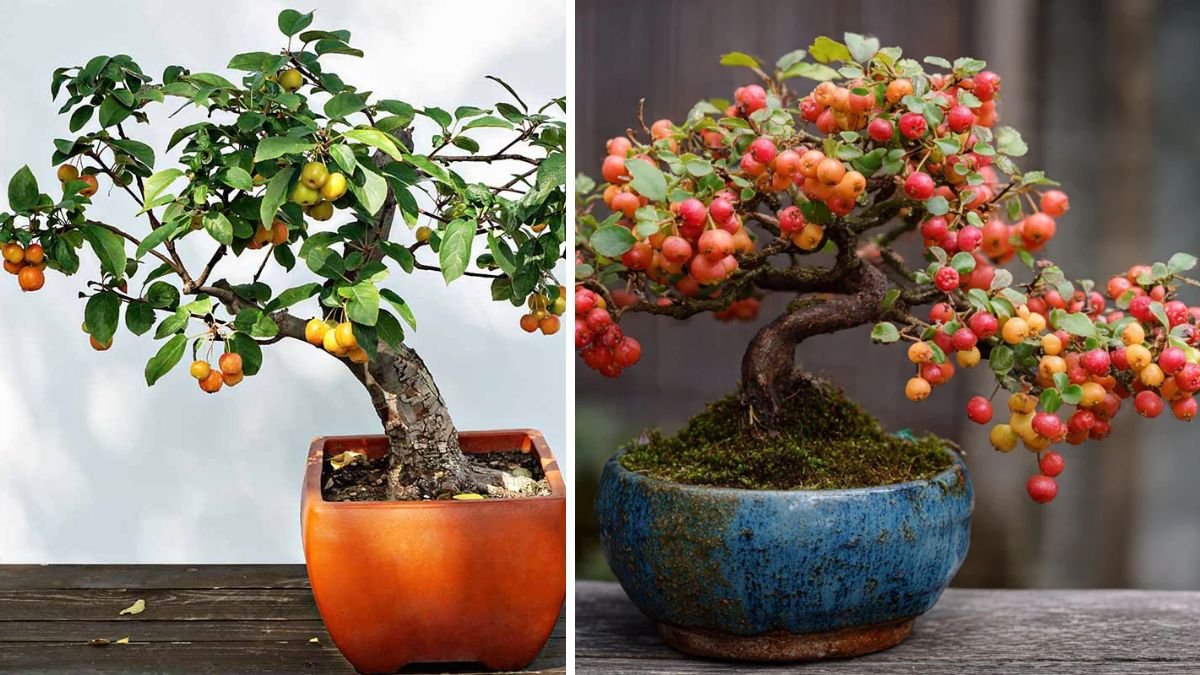
Berry bonsai are miniature fruit trees grown in containers, offering a beautiful and productive addition to any indoor or outdoor space. These tiny trees combine the art of bonsai with the joy of growing edible fruits, from strawberries and blueberries to miniature raspberry or mulberry trees.
This guide explains how to start berry bonsai, care for them, and enjoy your harvest, making it perfect for beginners.
Why Berry Bonsai Are Special
- Decorative: Adds greenery to windowsills, balconies, and tables
- Edible: Produces fresh, homegrown fruits
- Compact: Ideal for small spaces and apartments
- Therapeutic: Bonsai care promotes relaxation and mindfulness
Choosing the Right Berry Plant
- Strawberry: Fast-growing, produces multiple harvests
- Blueberry: Requires acidic soil; slow-growing but beautiful
- Raspberry: Dwarf varieties work best; prune regularly
- Mulberry: Small-fruited varieties are ideal for bonsai
Choose dwarf or miniature varieties for easier training and fruiting.
Tools and Materials
- Bonsai pot with drainage holes
- Well-draining, fertile soil
- Pruning shears and scissors
- Wire for shaping branches (optional)
- Fertilizer suitable for fruiting plants
- Watering can or spray bottle
Planting Your Berry Bonsai
1. Prepare the Container
- Choose a pot slightly larger than the root ball
- Add a layer of gravel for drainage
2. Add Soil
- Use well-draining, nutrient-rich soil
- Acidic soil for blueberries; general potting mix for other berries
3. Plant the Berry
- Gently place the root ball in the soil
- Backfill and lightly firm the soil around the roots
- Water thoroughly
Pruning and Shaping
- Prune to control height and encourage branching
- Remove weak or overcrowded stems
- Shape using wiring if desired, twisting branches gently
- Maintain an open canopy for sunlight and airflow
Watering and Fertilizing
- Keep soil consistently moist, but avoid waterlogging
- Fertilize with slow-release or liquid fertilizer during the growing season
- Reduce fertilization during dormancy in winter
Light Requirements
- Berry bonsai need 6+ hours of sunlight daily
- Indoors: Place near a sunny window or use a grow light
- Outdoors: Avoid full afternoon sun in very hot climates
Pest and Disease Management
- Common pests: aphids, spider mites, whiteflies
- Check leaves and stems weekly
- Use organic sprays or insecticidal soap if necessary
- Maintain cleanliness and remove fallen leaves or fruit
Harvesting Berry Bonsai Fruits
- Pick berries when fully colored and firm
- Frequent harvesting encourages more fruit production
- Enjoy fresh or use in desserts, smoothies, or jams
Winter Care for Berry Bonsai
- Reduce watering during dormant months
- Keep in cool but frost-free locations
- Minimal pruning until spring
Benefits of Growing Berry Bonsai
- Combines art, gardening, and edible harvest
- Enhances indoor aesthetics or outdoor patios
- Teaches patience and careful plant care
- Provides fresh berries year after year
Final Thoughts
Berry bonsai are a perfect project for beginner and experienced gardeners alike. With the right variety, container, soil, and consistent care, these miniature fruit trees can produce beautiful foliage and delicious berries in a compact space.
By practicing pruning, watering, and harvesting techniques, anyone can enjoy the joy of growing their own edible bonsai while adding a touch of green artistry to their home.