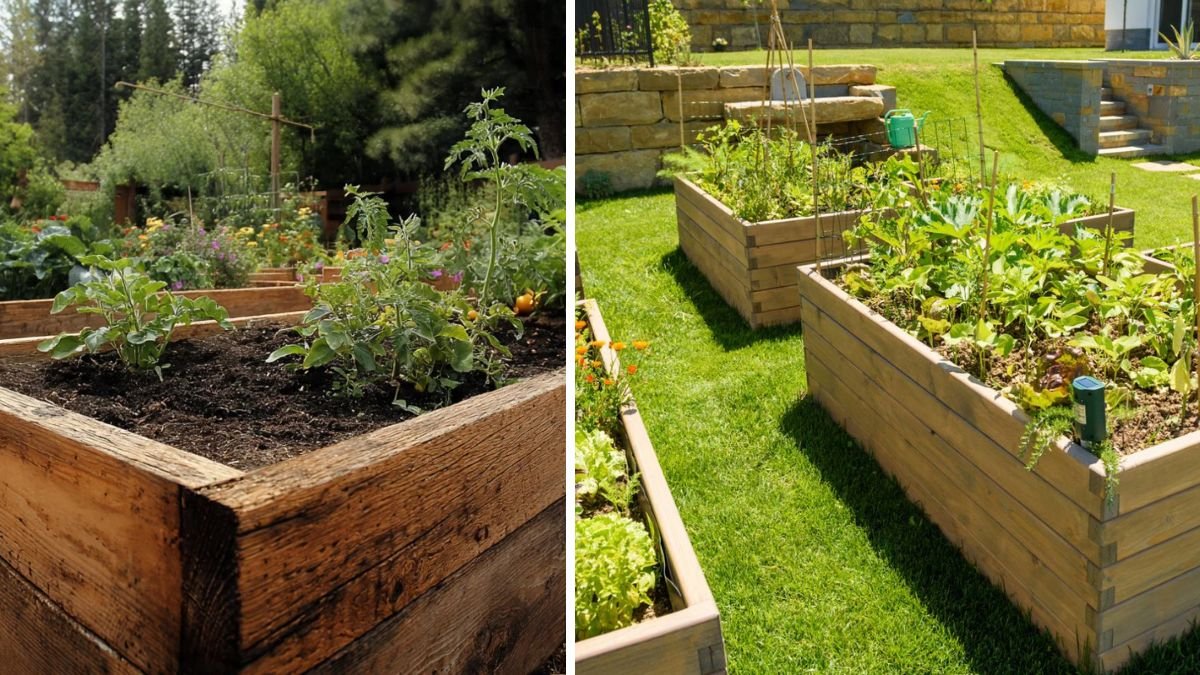
Raised vegetable beds are a favorite among home gardeners for improving soil quality, drainage, and accessibility. However, the materials used to build these beds matter more than many gardeners realize. Treated wood, while durable and widely available, can pose serious risks to soil health, plant safety, and even human health.
This article explains why treated wood should be avoided for raised vegetable beds, what chemicals are involved, and safer alternatives you can use instead.
What Is Treated Wood?
Treated wood is lumber that has been infused with chemicals to resist:
- Rot and decay
- Fungal growth
- Insect damage
- Moisture exposure
It is commonly used in decks, fences, and outdoor structures.
Common Chemicals in Treated Wood
Depending on age and type, treated wood may contain:
- Chromated Copper Arsenate (CCA) – older wood; contains arsenic
- Alkaline Copper Quaternary (ACQ) – newer but still copper-heavy
- Copper Azole (CA) – less toxic but still leaches metals
These chemicals are designed to kill living organisms, which raises concerns in food-growing environments.
Why Treated Wood Is Unsafe for Vegetable Beds
1. Chemical Leaching
- Chemicals can seep into soil over time
- Root vegetables absorb contaminants directly
- Leafy greens may accumulate heavy metals
2. Risk to Human Health
- Arsenic and copper exposure can cause long-term health issues
- Children and pets are especially vulnerable
- Repeated exposure increases risk
3. Soil Damage
- Treated wood disrupts beneficial microbes
- Reduces soil fertility and biological activity
4. Environmental Impact
- Leached chemicals can contaminate groundwater
- Harmful to pollinators and earthworms
Does Lining the Bed Make It Safe?
Some gardeners line treated wood with plastic or fabric, but this is not a permanent solution:
- Liners degrade over time
- Nails and fasteners puncture barriers
- Heat and moisture accelerate chemical breakdown
Lining may reduce exposure temporarily but does not eliminate risk.
Safer Alternatives for Raised Beds
1. Untreated Cedar or Redwood
- Naturally rot-resistant
- Long-lasting and safe for food gardens
2. Recycled Bricks or Stone
- Extremely durable
- No chemical leaching
- Excellent temperature stability
3. Concrete Blocks
- Affordable and sturdy
- Can be decorative and modular
4. Galvanized Metal Beds
- Long lifespan
- Modern aesthetic
- Ensure food-safe coatings
5. Composite or Plastic Lumber
- Made from recycled materials
- Resistant to rot and insects
How to Identify Treated Wood
- Greenish or brown tint
- Stamped labels indicating treatment
- Sour or chemical smell
- Older lumber from decks or fences
When in doubt, assume wood is treated and avoid using it for edible gardens.
What If You Already Have Treated Wood Beds?
If replacement isn’t immediately possible:
- Avoid growing root crops
- Add a thick barrier liner (temporary solution)
- Monitor soil health regularly
- Plan to replace with safer materials over time
Benefits of Choosing Safe Materials
- Healthier soil and plants
- Peace of mind when harvesting food
- Better long-term garden productivity
- Environmentally responsible gardening
Final Thoughts
While treated wood may seem convenient, its hidden risks make it unsuitable for raised vegetable beds. Gardening should promote health—not introduce unnecessary hazards. By choosing safer alternatives like recycled bricks, stone, cedar, or metal, you protect your soil, your crops, and your family.
A healthy garden starts with safe foundations, and the materials you choose today shape the quality of your harvest for years to come.