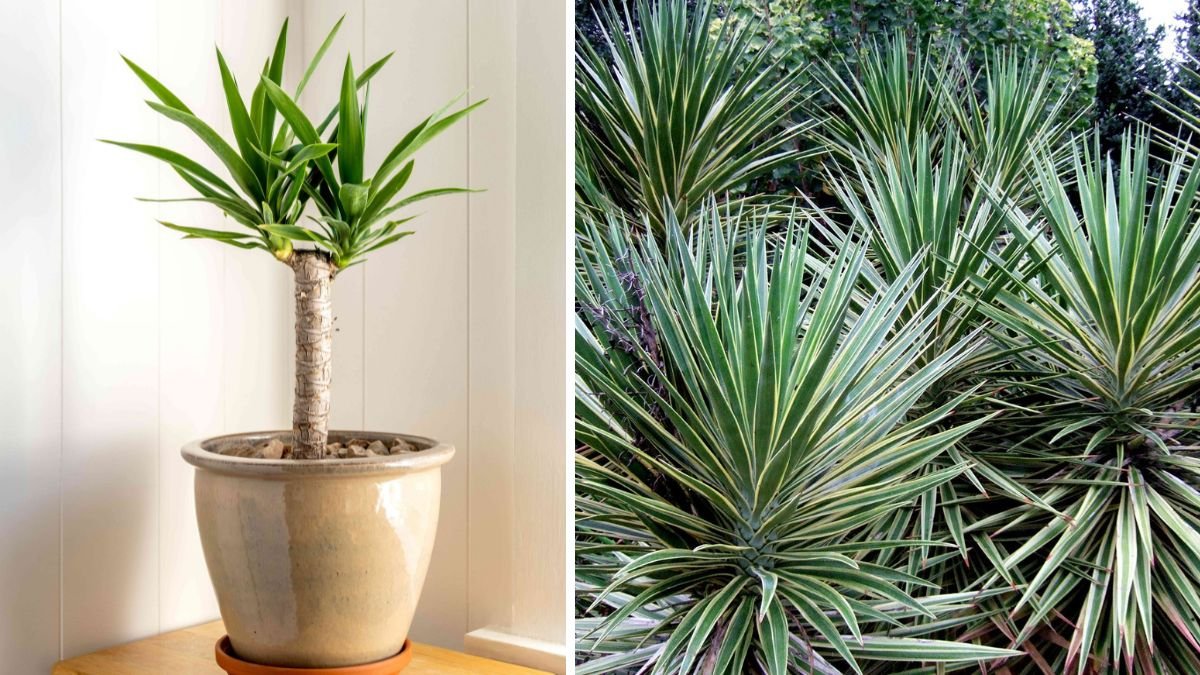
Spineless yucca is a striking architectural plant that combines dramatic beauty with exceptional drought tolerance. Perfect for eco-friendly and low-water gardens, this hardy plant thrives where others struggle, making it ideal for sustainable landscapes, xeriscaping, and modern garden designs.
This guide explains how to grow spineless yucca successfully, from planting and care to maintenance and landscape design ideas.
What Is Spineless Yucca?
Spineless yucca (Yucca elephantipes) is a slow-growing evergreen plant known for:
- Smooth, sword-like leaves without sharp edges
- Thick, woody stems
- High drought tolerance
- Adaptability to various climates
Despite its exotic appearance, spineless yucca is surprisingly easy to grow.
Why Spineless Yucca Is Perfect for Eco-Friendly Gardens
- Requires very little water once established
- Thrives in poor or sandy soil
- Minimal fertilizer needs
- Resistant to pests and diseases
- Long lifespan with minimal maintenance
It’s an excellent choice for gardeners looking to reduce water use and maintenance.
Choosing the Right Location
Sunlight
- Prefers full sun to partial shade
- Brighter light encourages stronger growth
Soil
- Must be well-draining
- Sandy or rocky soil is ideal
- Avoid heavy clay unless amended
Good drainage is more important than soil fertility.
Planting Spineless Yucca
In the Ground
- Dig a hole twice as wide as the root ball
- Place the plant at the same depth as its container
- Backfill with native soil mixed with sand or gravel
- Water lightly to settle soil
In Containers
- Use large pots with drainage holes
- Choose cactus or succulent soil mix
- Containers allow easy relocation
Watering Guidelines
Spineless yucca thrives on neglect rather than excess care.
- Water deeply but infrequently
- Allow soil to dry completely between waterings
- Once established, water only during prolonged drought
Overwatering is the most common cause of failure.
Fertilizing Needs
- Feed once or twice a year at most
- Use low-nitrogen fertilizer
- Too much fertilizer leads to weak growth
In most cases, yucca grows well without feeding.
Pruning and Maintenance
- Remove dead or yellowing lower leaves
- Cut back tall stems if needed to control height
- Wear gloves—leaves may be stiff
Pruning improves appearance but is not essential.
Cold and Heat Tolerance
- Tolerates high heat exceptionally well
- Sensitive to frost when young
- In colder regions, grow in containers or provide winter protection
Landscape Design Ideas
- Accent plant in minimalist gardens
- Paired with gravel, stone, or succulents
- Modern borders and entryway features
- Mixed with native drought-tolerant plants
Spineless yucca adds structure and drama year-round.
Common Problems
- Soft trunk: Overwatering
- Leaf spots: Poor drainage or cold stress
- Slow growth: Normal—yucca grows gradually
Most issues resolve by reducing water.
Environmental Benefits
- Conserves water
- Reduces chemical fertilizer use
- Supports sustainable landscaping
- Long-lived plant reduces replacement waste
Final Thoughts
Spineless yucca is a perfect plant for low-water, eco-friendly gardens. Its bold appearance, extreme drought tolerance, and minimal care requirements make it ideal for sustainable landscapes and busy gardeners alike. By providing good drainage, plenty of light, and restrained watering, you’ll enjoy a stylish, resilient plant that thrives where others fail.